#19 of 100
· Cratewise Editorial
“London Calling landed here because it's the record that proved punk could grow up without losing its teeth. The double album format was radical for the genre—side one hits like a brick wall with pure aggression, but by "Spanish Bombs" and "The Right Profile," The Clash were already experimenting with reggae, rockabilly, and cinematic storytelling. I'd argue this is the essential punk record for people who think they've outgrown punk. Every first press of this one demands repeated needle drops; there's something new hiding in the mix every time.”
The Clash formed in London in 1976 as one of punk rock's most influential and politically conscious bands. Founded by Joe Strummer and Mick Jones, they quickly became synonymous with the punk movement's rebellious spirit while continuously pushing musical boundaries. The band's debut album, "The Clash" (1977), established their raw energy and social commentary. Their third album, "London Calling" (1979), is widely considered a masterpiece that expanded their sound to incorporate reggae, ska, and soul influences. Throughout their career, which lasted until 1986, The Clash released five studio albums that progressively blended punk with diverse genres. Albums like "Sandinista!" (1980) and "Combat Rock" (1982) demonstrated their willingness to experiment. The band's dissolution marked the end of a transformative era, though their influence on punk, new wave, and alternative rock remained immeasurable.
Style
The Clash pioneered politically charged punk rock with rock-solid rhythm sections and socially conscious lyrics, progressively incorporating reggae, ska, funk, and world music elements to create a unique fusion sound that transcended genre conventions.
Significance
The Clash are essential to any serious rock collection, with "London Calling" being one of the most lauded albums in vinyl history. Their records are prized by collectors for both their sonic innovation and historical importance in punk and post-punk rock movements.
London Calling, recorded over five months at four different London studios, marked The Clash's most ambitious and collaborative effort. The band worked extensively with producer Guy Stevens, known for his innovative approach and rock & roll passion. Stevens pushed the group to expand beyond punk into reggae, rockabilly, and new wave territories, resulting in a diverse double album. The title track, recorded last, emerged as an urgent anthem about social decay and nuclear anxiety. Key sessions featured the band experimenting with new recording techniques and arrangements, with bassist Paul Simonon contributing more melodically than before. The album showcased the group's evolution from their raw 1977 debut into sophisticated songwriters while maintaining their political edge and raw energy.
Historical Context
Released in December 1979, London Calling arrived as punk's second wave was fragmating, with post-punk and new wave ascending. The album's apocalyptic mood reflected Britain's economic crisis, industrial unrest, and Cold War tensions. Critics immediately recognized it as a masterwork, with many ranking it among the greatest rock albums ever made. The album reached #9 in the UK and #27 in the US, becoming the group's most commercially successful work and cementing their status beyond punk purists. The iconic cover, featuring a smashed bass guitar, became instantly recognizable.
Pressing Notes
Original UK pressings on CBS feature the distinctive cover image and came in both standard and picture sleeve variants. Early pressings are highly sought after, particularly first pressings from 1979. The US release had a slightly different cover treatment. A 180-gram reissue was released in the 2010s with improved sound quality. Collectors should note that the double album format varies—some pressings are on 3 sides with one blank side, while later versions pressed all four sides. Original pressings typically command premium prices, especially in excellent condition. The album has been reissued multiple times on vinyl, but early UK and US CBS pressings remain most collectable.

Entertainment!
Gang of Four
Post-punk masterpiece that shares London Calling's blend of political consciousness, angular guitars, and danceable rhythms.
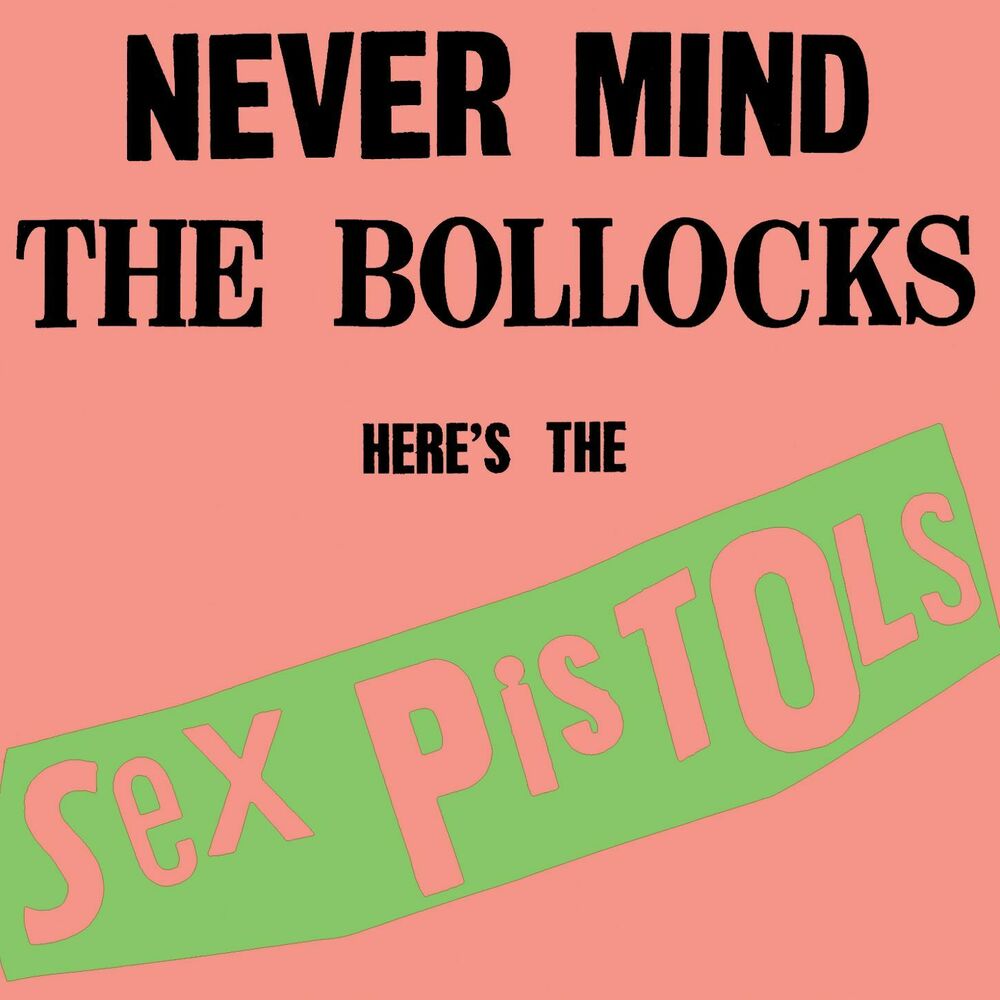
Never Mind the Bollocks, Here's the Sex Pistols
The Sex Pistols
Foundational UK punk album that influenced The Clash's aggressive sound and provocative approach to rock music.
Also Appears On
Rolling Stone's 500 Greatest Albums of All Time
“A double album sold at a single-album price — that's punk rock economics. The original CBS pressing spans punk, reggae, rockabilly, and jazz, which is exactly what The Clash always were: a band too restless for one genre. The Pennie Smith cover photo might be the greatest album cover ever shot.”
Apple Music 100 Best Albums
“London Calling at 35 feels slightly conservative for an album this seismic—I'd argue it deserves higher. The production depth here separates it from pure punk salvage; Joe Strummer and Mick Jones built something that still sounds dangerous on the needle drop, from the dystopian title track to the reggae-inflected "Guns of Brixton." This is where punk evolved past three-chord thrashing into something genuinely experimental, which maybe explains why it doesn't top critics' lists as often as it should. First pressing or not, this record demands active listening.”
Essential Punk & Post-Punk on Vinyl
“Double album, price of a single. Punk, reggae, rockabilly, ska. Pennie Smith's cover photo is the greatest in rock. 'Train in Vain' is perfect pop they almost left off.”
Own this record? Track it in your collection.