#18 of 100
· Cratewise Editorial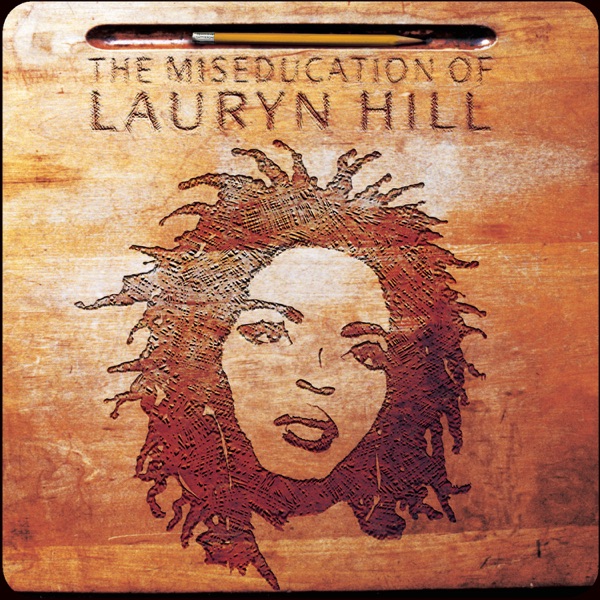
The Miseducation of Lauryn Hill
Lauryn Hill
Year
1998
Genre
Hip-Hop/RapLabel
Ruffhouse
Format
Vinyl LP
“Lauryn's debut sits here because it's the rare hip-hop record that works equally as a needle-drop moment and a front-to-back journey. "Doo Wop (That Thing)" and "Ex-Factor" are undeniable, but the deep cuts—"When It Hurts So Bad," the acapella closing tracks—reveal an artist thinking in album arcs, not just singles. The 1998 pressing captures those lush, live arrangements with warmth that digital never quite managed. This wax reminds you why we still spin LPs: sometimes you need the full context to understand why an album changed everything.”
Lauryn Hill rose to prominence as a member of the Fugees in the mid-1990s before launching a groundbreaking solo career. Her 1998 debut album 'The Miseducation of Lauryn Hill' became a landmark release, blending hip-hop, R&B, soul, and reggae influences while showcasing her exceptional vocal abilities and introspective songwriting. The album achieved massive commercial success and critical acclaim, earning five Grammy Awards and establishing Hill as one of the most innovative artists of her generation. Following this peak, she withdrew from the music industry, making only occasional appearances and recordings, which has contributed to her mystique among collectors.
Style
Lauryn Hill's style encompasses hip-hop, neo-soul, R&B, and reggae, characterized by her distinctive vocal delivery, lyrically conscious content, and genre-blending production that ranges from live instrumentation to innovative sample-based beats.
Significance
As a solo artist, Hill redefined the possibilities for female rappers and singers in hip-hop, influencing countless artists across multiple genres. Her 'Miseducation' album remains highly sought-after on vinyl, valued both for its sonic quality and its cultural importance as one of the defining records of 1990s music.
Released in September 1998, "The Miseducation of Lauryn Hill" marked Lauryn Hill's solo debut following her departure from the Fugees. Recorded primarily at Hill's home studio in New Jersey, the album was largely self-produced by Hill alongside collaborators including Wyclef Jean, DJ Premier, and other notable producers. Hill wrote or co-wrote nearly every track, drawing from personal experiences with relationships, motherhood, spirituality, and self-discovery. The album blends hip-hop, R&B, reggae, and soul influences, featuring live instrumentation alongside samples. Notable collaborators included Mary J. Blige on "Final Hour" and D'Angelo on the bonus track. The creative process reflected Hill's desire for artistic control and her exploration of themes around education, identity, and female empowerment within a male-dominated industry.
Historical Context
Released in 1998, the album arrived during a peak moment for alternative hip-hop and neo-soul. It competed commercially with albums by Jay-Z, OutKast, and others while coinciding with the rise of Missy Elliott and female rappers gaining greater prominence. The album became a cultural phenomenon, winning five Grammy Awards in 1999 including Best New Artist and Best Album. It spent 34 weeks on the Billboard 200 and became one of the best-selling hip-hop albums of the late 1990s. The album's critical and commercial success established Hill as a major solo artist and influenced subsequent generations of female rappers and R&B artists.
Pressing Notes
The original 1998 Columbia Records vinyl pressing is highly sought by collectors. Early pressings can vary slightly in mastering. The album has been reissued multiple times, including a 2016 deluxe reissue with expanded artwork and bonus content. Collectors should verify pressing plant information and matrix codes for original first pressings. The album has maintained strong secondary market value due to its cultural significance and the relative scarcity of well-preserved copies. Japanese pressings and European editions may feature different artwork or bonus tracks. Given the album's significance, copies in good condition command premium prices among vinyl enthusiasts.
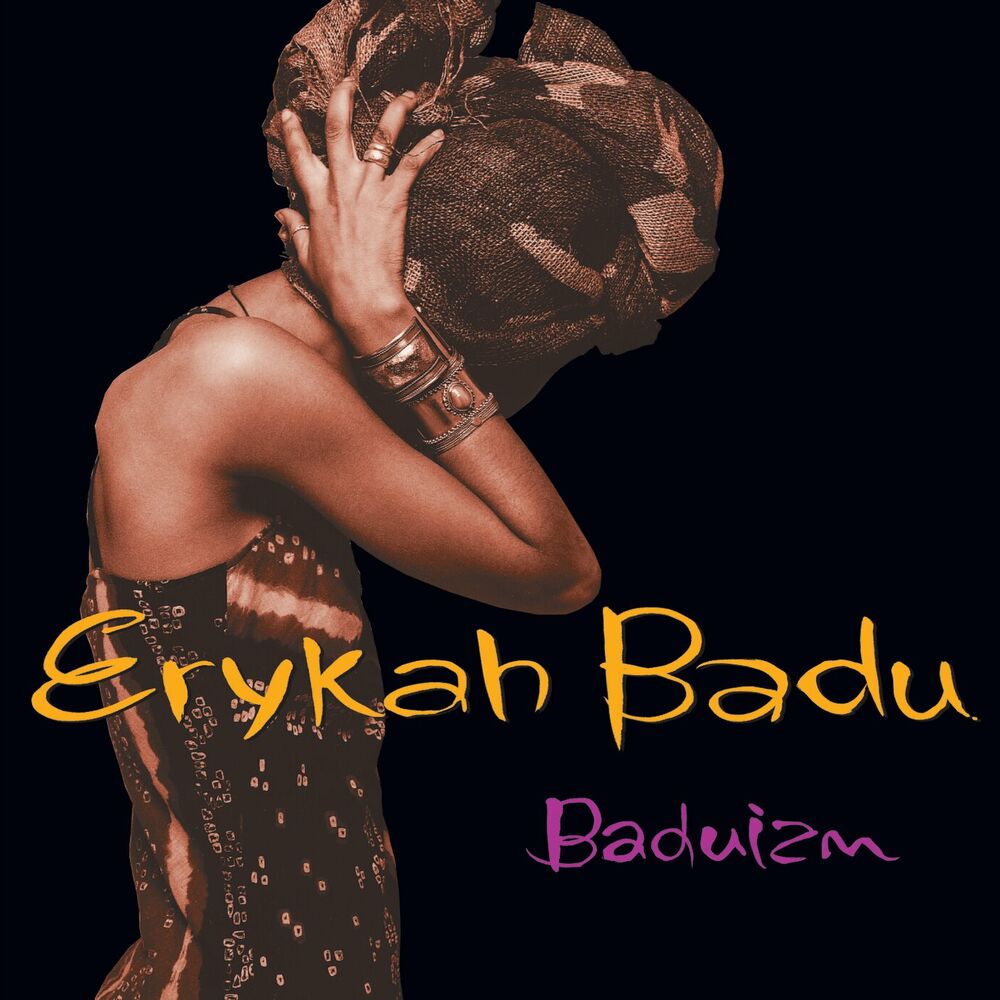
Baduizm
Erykah Badu
Features the same soulful neo-soul foundation with introspective lyrics and live instrumentation that defined Lauryn Hill's production approach.
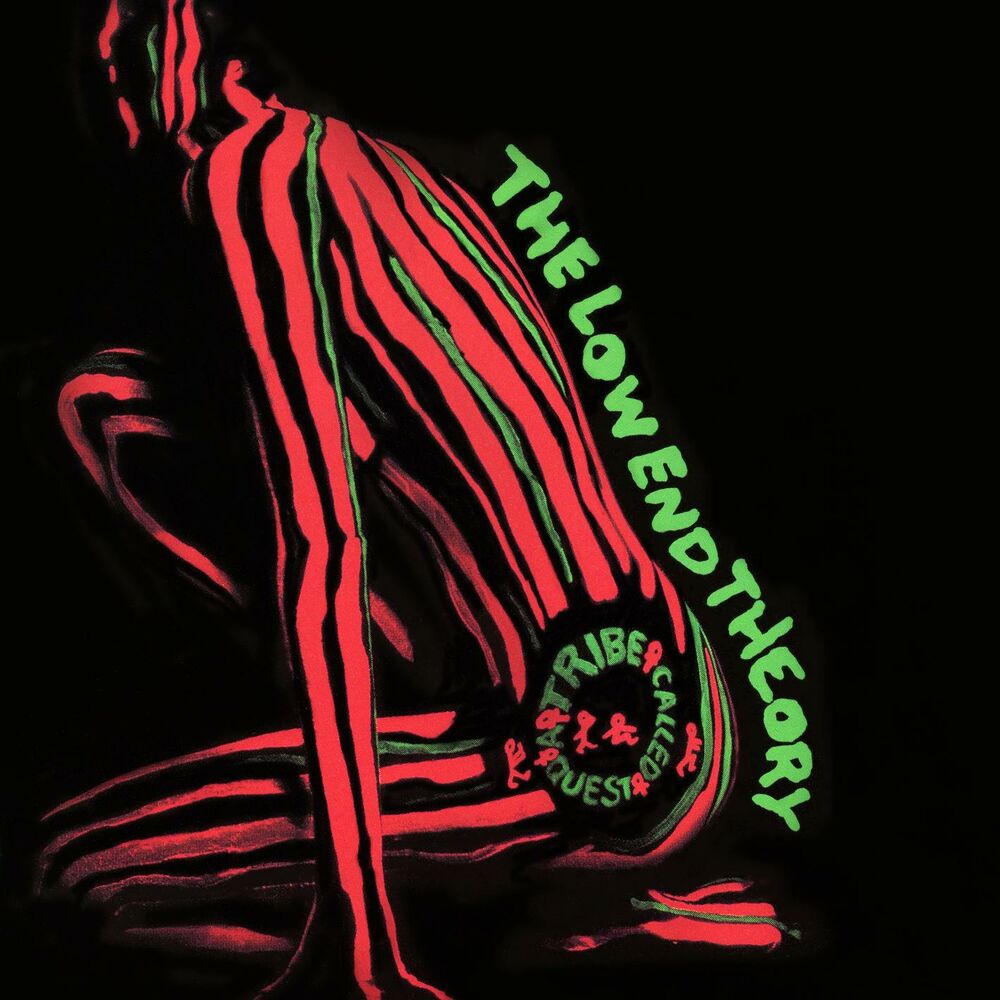
The Low End Theory
A Tribe Called Quest
Shares the jazz-inflected hip-hop aesthetic and conscious lyricism that influenced Lauryn Hill's sonic direction and sample-based production.

Voodoo
D'Angelo
Delivers the same blend of R&B, hip-hop, and live musicianship with meticulous production and artistic depth that collectors of Lauryn Hill appreciate.
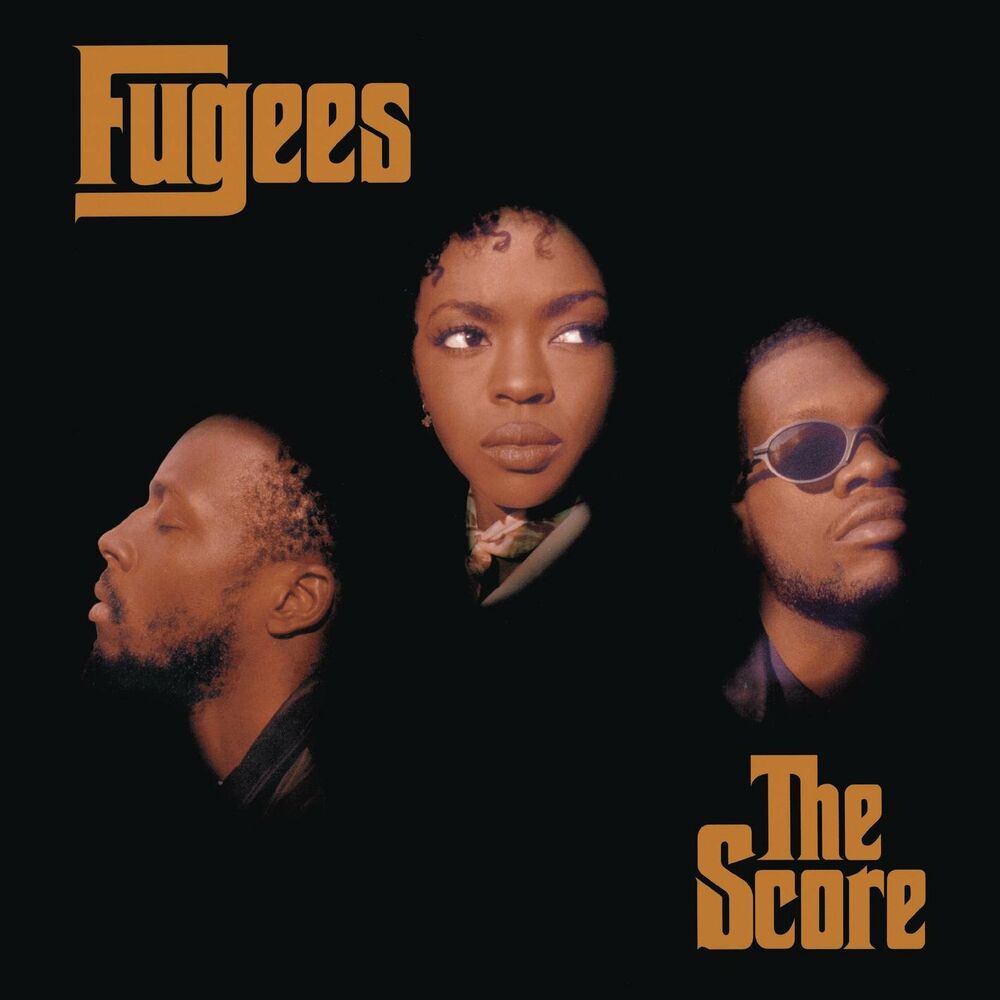
The Score
The Fugees
Directly precedes Lauryn Hill's solo work and features her vocals alongside complementary production that bridges hip-hop with soul and reggae influences.
Also Appears On
Apple Music 100 Best Albums
“Hard to argue with putting Miseducation at the top — it's genuinely one of those albums that rewired what hip-hop could be. Hill's production choices across the whole record, especially those live orchestral arrangements on "Ex-Factor" and "Doo Wop (That Thing)," created something that still sounds alive on the needle today. The way she balanced introspective lyricism with production that refused to stay in lane proved you could have both commercial massiveness and artistic depth. A first pressing of this one practically defines essential wax.”
Debut Albums
“Solo debut after the Fugees. She was 23, fused five genres, won five Grammys, and never made another solo album. The definition of a singular statement.”
Essential Hip-Hop on Vinyl
“Hip-hop, soul, reggae, and R&B fused into something unprecedented. She was 23. 'Ex-Factor' and 'Doo Wop (That Thing)' are the headliners. The interludes and deep cuts reward the full vinyl listen.”
Rolling Stone's 500 Greatest Albums of All Time
“She made one solo album, and it was this. A pressing that blends hip-hop, soul, reggae, and confessional songwriting into something that nobody has been able to replicate — including Lauryn Hill herself. 'Doo Wop (That Thing)' hit number one, but the deeper album cuts are where the real magic lives.”
Essential Soul & Funk on Vinyl
“Bridging hip-hop, soul, and reggae. 'Ex-Factor' and 'Everything Is Everything' are the standouts, but the album works as a complete front-to-back vinyl experience.”
Own this record? Track it in your collection.