#15 of 25
· Cratewise Editorial
“Not Nevermind — Bleach. Recorded for $606.17. 'Blew' and 'About a Girl' hint at the songwriting to come, but the album is heavier and rawer than anything that followed.”
Nirvana emerged from Seattle in the late 1980s, becoming the defining band of the grunge movement and fundamentally reshaping popular music in the 1990s. Fronted by Kurt Cobain, the band released their landmark 1991 album 'Nevermind,' which unexpectedly achieved massive commercial success and introduced alternative rock to mainstream audiences worldwide. The album's raw energy, introspective lyrics, and iconic production by Butch Vig established a template for 90s rock that countless bands emulated. Following the massive success of 'Nevermind,' Nirvana released 'In Utero' in 1993, a more abrasive and experimental record that showcased Cobain's songwriting depth and the band's willingness to resist commercial polish. Despite internal tensions and Cobain's well-documented struggles, the band remained influential until their dissolution in 1994. Their MTV Unplugged performance that year became iconic and was later released as a live album, capturing an intimate acoustic dimension of their work.
Style
Nirvana pioneered grunge by blending punk rock's raw aggression and DIY ethos with heavy metal's distortion and 1970s rock influences, creating a distinctive sound characterized by quiet-loud-quiet dynamics, power chords, and deeply emotional vocal delivery. Their style bridged underground indie and mainstream rock, making alternative music commercially viable.
Significance
Nirvana's vinyl records are essential to any serious rock collection, representing a pivotal moment when alternative rock became the dominant cultural force. 'Nevermind' in particular is one of the most important rock albums ever pressed to vinyl, marking the end of 1980s excess and the beginning of 90s authenticity-focused alternative rock.
Nirvana's debut album "Bleach" was recorded in September 1988 at Reciprocal Recording in Seattle with producer Jack Endino on a modest budget of $600. The album captures the raw sound of the band's early years, featuring Kurt Cobain's distorted guitar work, bassist Krist Novoselic, and drummer Chad Channing. The recording sessions were brief and straightforward, with the band laying down rough, energetic takes that emphasized immediacy over polish. Cobain's songwriting on "Bleach" drew heavily from punk and heavy metal influences, creating a sound that was heavier and more abrasive than what would later define the band. The album's DIY aesthetic and aggressive tone reflected the Seattle underground music scene and Cobain's artistic vision at the time.
Historical Context
Released in June 1989 on the independent label Sub Pop, "Bleach" arrived as the Seattle grunge scene was beginning to coalesce around bands like The Soundgarden and The Melvins. The album received modest attention initially, selling slowly but building cult status within underground and college radio circles. Sub Pop's marketing of the Seattle sound as a commercial phenomenon helped generate broader interest, though "Bleach" remained relatively obscure until Nirvana's massive breakthrough with "Nevermind" in 1991. In retrospect, the album is recognized as a crucial precursor to grunge's mainstream dominance, showcasing the raw ingredients that would later be refined into one of rock's most influential sounds.
Pressing Notes
The original 1989 Sub Pop pressing (SP 34) on black vinyl is the most common and affordable version for collectors. Early pressings had hand-numbered covers up to 600 copies. The album has been reissued multiple times on vinyl, including colored variants in recent years. European pressings may vary slightly in cover artwork and catalog numbering. Collectors should note that original first pressings command modest premiums, particularly numbered copies and any featuring the original insert materials. The album's relatively straightforward production history means quality is generally consistent across pressings, though early original copies are preferred for their historical significance and packaging authenticity.
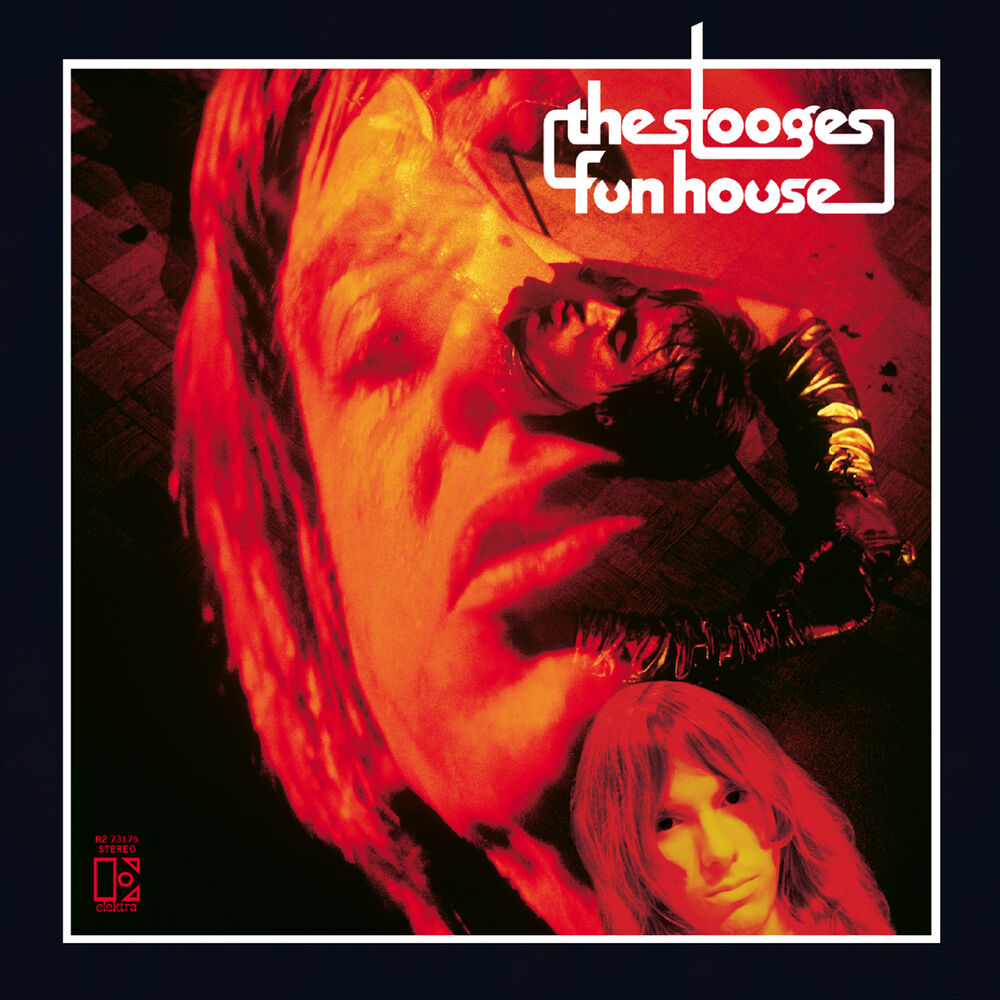
Fun House
The Stooges
Proto-punk energy and primal intensity that shares Bleach's unpolished aesthetic and aggressive vocal delivery.

Paranoid
Black Sabbath
Heavy metal foundation with dark, crushing riffs that directly inspired the distortion-heavy sound Nirvana explored on Bleach.
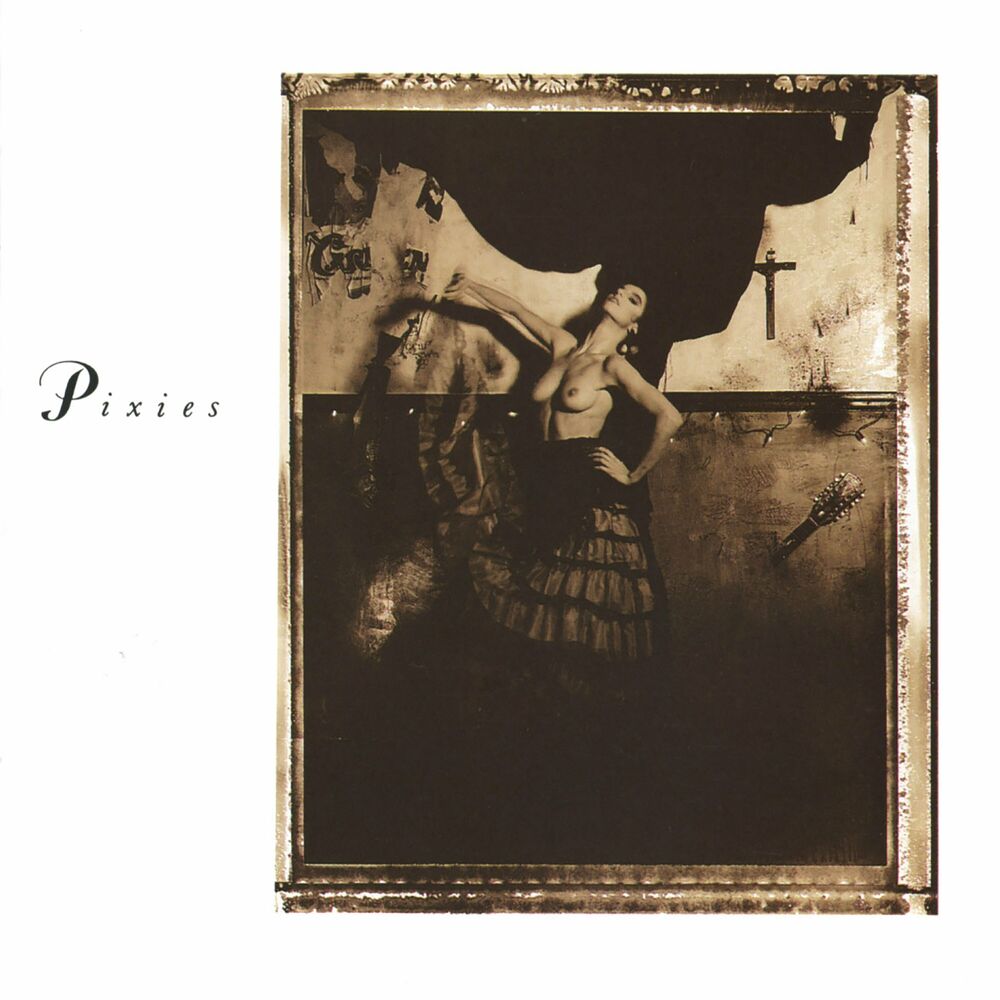
Surfer Rosa
The Pixies
Loud-quiet-loud dynamics and raw production that directly presaged grunge and influenced Kurt Cobain's songwriting approach on Bleach.
Own this record? Track it in your collection.