#20 of 25
· Cratewise Editorial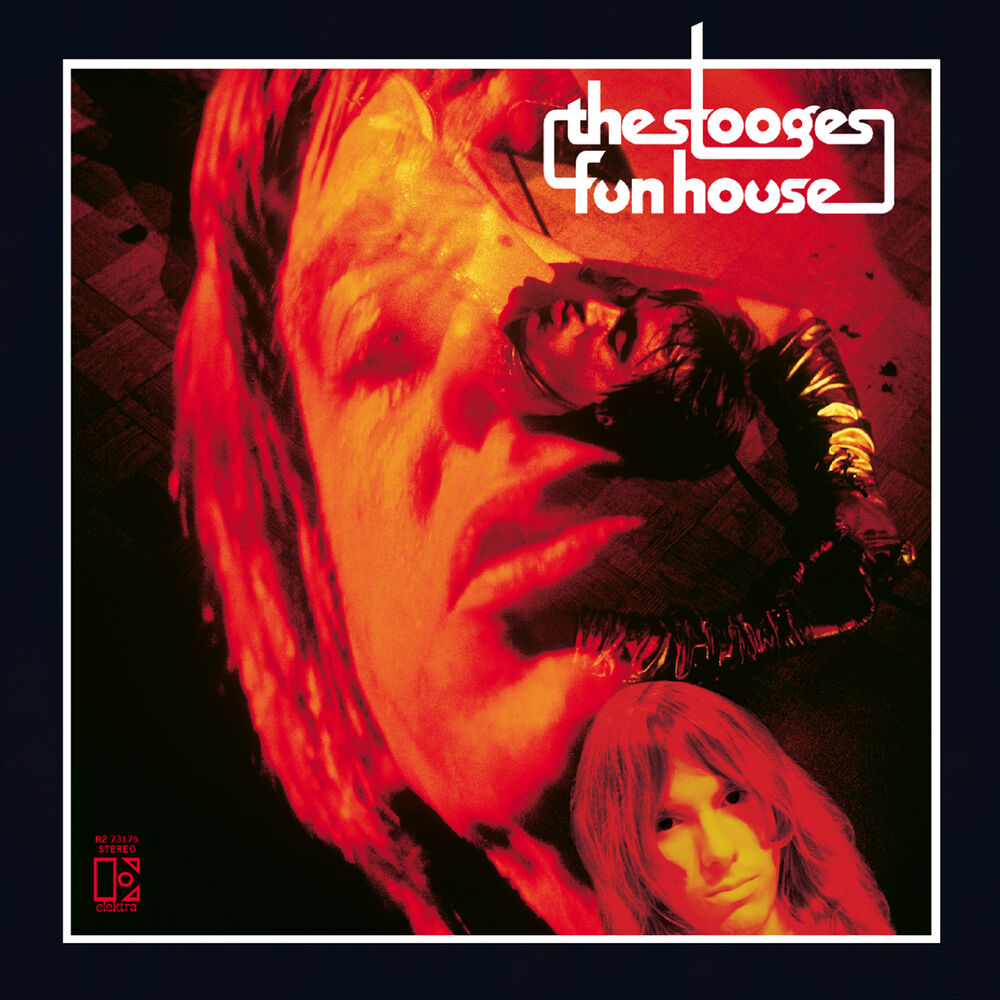
“Proto-punk's heaviest moment. Five guys in a studio playing like the building is on fire. 'T.V. Eye' and '1970' are primal. Iggy is feral. Steve Mackay's sax is chaos.”
The Stooges, led by Iggy Pop, emerged from Ann Arbor, Michigan in 1967 and became pioneers of punk rock and proto-punk music. The band's classic lineup—Iggy Pop (vocals), Ron Asheton (guitar), Dave Alexander (bass), and Scott Asheton (drums)—recorded three influential albums between 1969 and 1973. Their debut 'The Stooges' (1969) introduced raw, primal rock with blues-influenced riffs, while 'Fun House' (1970) showcased their chaotic live energy and experimental approach. 'Raw Power' (1973), produced by David Bowie, refined their sound while maintaining their visceral intensity and became a touchstone for punk and hard rock. Despite limited commercial success initially, the band's fearless performances and unpolished aesthetic profoundly influenced the emerging punk scene of the mid-1970s.
Style
Proto-punk and hard rock characterized by raw, minimalist guitar work, primal blues-influenced riffs, and Iggy Pop's uninhibited vocal delivery. The Stooges' sound was deliberately crude and powerful, eschewing technical polish for emotional and physical intensity.
Significance
The Stooges are essential to vinyl collectors interested in punk's origins and hard rock evolution. Their albums are foundational punk records that directly influenced the Sex Pistols, Ramones, and countless others, making them crucial listening for understanding rock music's countercultural trajectory.
Fun House, recorded in 1970 at the newly opened Elektra Studios in Los Angeles, captures The Stooges at their raw and visceral peak. Produced by Don Gallucci, the album showcases Iggy Pop's uninhibited vocal delivery and the band's proto-punk intensity, with guitarist Ron Asheton's distorted riffs and saxophonist Steve Mackay's wailing adding layers of controlled chaos. The recording sessions were brief but focused, with the band channeling their Detroit roots and live energy into the studio. Notable tracks like "I Wanna Be Your Dog" had already established their reputation, but Fun House represented a quantum leap in songwriting sophistication and studio dynamics. The album was completed quickly, reflecting both the band's creative confidence and their financial constraints at the time.
Historical Context
Fun House arrived in summer 1970 amid the early heavy rock and proto-punk underground. The album received mixed reviews initially, with some critics confused by its abrasive sound and unconventional structure, though others recognized it as groundbreaking. Commercially, it underperformed on initial release, overshadowed by heavier acts like Black Sabbath and Led Zeppelin. However, it would become enormously influential, establishing The Stooges as crucial predecessors to punk rock and inspiring generations of musicians. By the late 1970s and beyond, the album's reputation had grown substantially as punk rockers embraced it as a key touchstone.
Pressing Notes
The original 1970 Elektra pressing (EKS-74071) is the most sought-after version by collectors, known for its warm analog sound and original gatefold artwork featuring the band in their provocative theatrical style. Early pressings can be distinguished by dead wax markings and matrix numbers. The album has been reissued multiple times, including 1997 reissues and more recent 180-gram audiophile pressings. Collectors should note that original pressings occasionally feature surface noise due to the era's pressing quality, but this is considered part of the album's charm by many enthusiasts. Counterfeit pressings exist, so buyers should verify serial numbers and weight specifications when purchasing vintage copies.

Kick Out the Jams
MC5
Detroit proto-punk contemporaries with the same raw energy, distorted guitars, and rebellious spirit that defined Fun House.
The New York Dolls
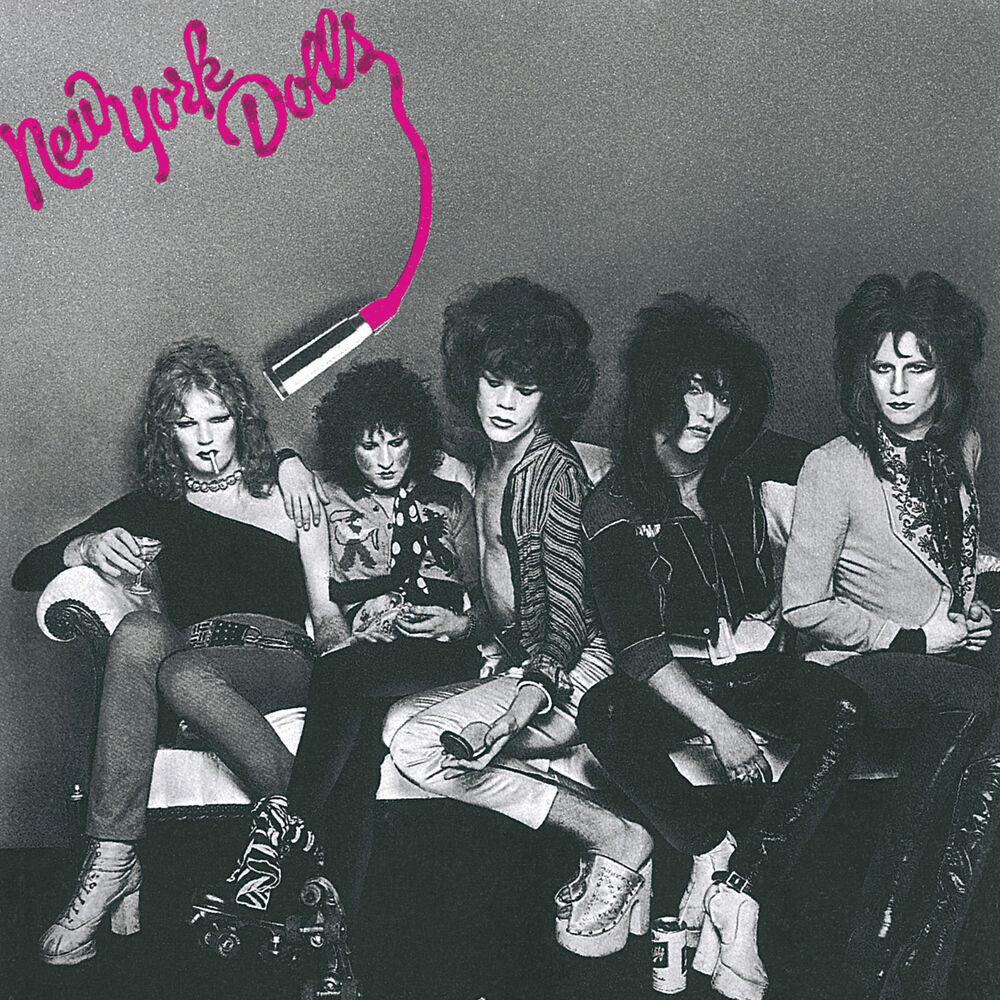
The New York Dolls
Early 1970s glam-punk pioneers sharing the visceral, unpolished aggression and guitar-driven chaos of Fun House's sonic assault.

Paranoid
Black Sabbath
Heavy, distortion-laden riffs and dark intensity that parallel the crushing heaviness and primal urgency of Iggy Pop's performances.
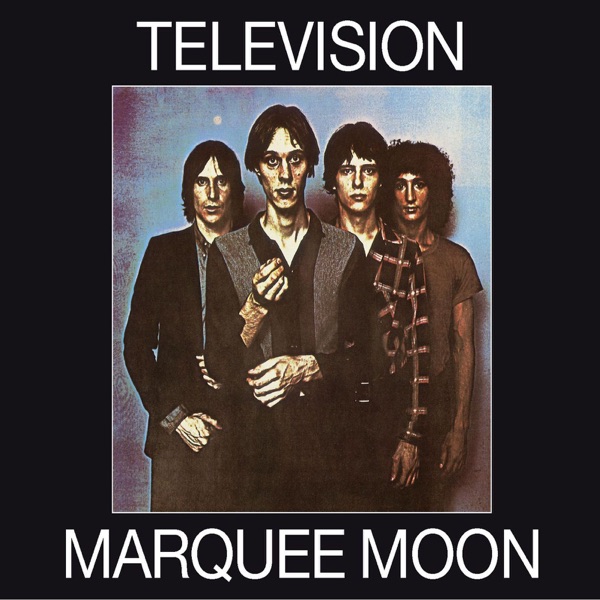
Marquee Moon
Television
Post-punk pioneers with angular guitar work and hypnotic energy that channels the experimental edge and controlled chaos of Fun House.
Also Appears On
Own this record? Track it in your collection.