#362 of 500
· Rolling Stone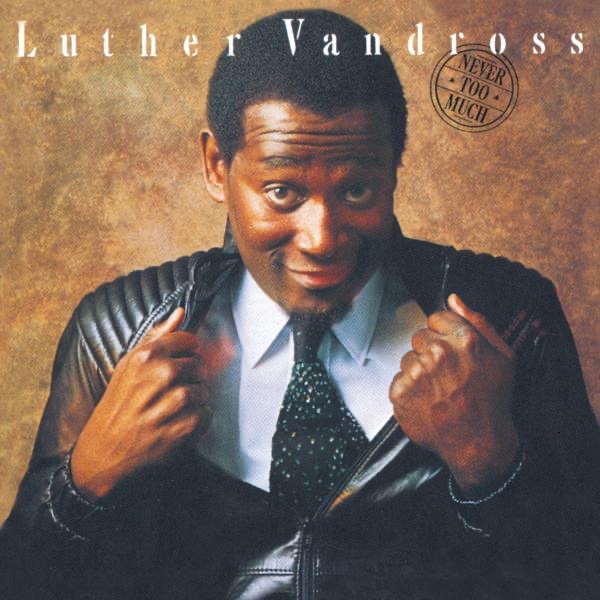
“There's a case that Never Too Much deserves to be higher, but #362 is solid company. Luther Vandross's work here (1981) is the kind of thing that makes you play both sides twice. The original pressing is the way in.”
Luther Vandross (1951-2005) was an American singer and songwriter who became one of the most successful R&B artists of the 1980s and 1990s. Born in New York City, Vandross began his career as a session vocalist and songwriter before launching a solo career in 1981 with his debut album "Never Too Much." Known for his impeccable vocal control and sophisticated arrangements, he released numerous platinum albums throughout his career, including "Here and Now" (1989) and "Power of Love" (1991). Vandross won eight Grammy Awards and became celebrated for his interpretations of both original compositions and classic standards, bridging contemporary R&B with soul and jazz influences.
Style
Luther Vandross exemplified smooth R&B and contemporary soul with polished, orchestral production. His signature style featured lush arrangements, precise vocal layering, multi-tracked harmonies, and an emphasis on romantic, emotionally nuanced delivery across ballads and uptempo tracks.
Significance
Vandross is a cornerstone artist for vinyl collectors interested in 1980s-90s R&B and soul music. His albums are highly sought after for their pristine production quality, musicianship, and cultural importance as defining records of the era, with original pressings of "Never Too Much" and other early releases being particularly valued by collectors.
Never Too Much, Luther Vandross's debut solo album released in 1981, marked the arrival of one of R&B's most sophisticated voices. Recorded primarily at the Power Station in New York, the album was produced largely by Vandross himself along with collaborators including Quincy Jones and others who helped craft its polished, contemporary sound. Vandross had spent the late 1970s as a session vocalist and background singer, lending his talents to artists like David Bowie and Chaka Khan, but Never Too Much introduced his full artistry as a bandleader and vocalist. The album's title track became his signature song, showcasing the smooth, precise vocal technique and romantic sensibility that would define his three-decade career.
Historical Context
Released in February 1981, Never Too Much arrived during a pivotal moment when R&B was embracing sophisticated production and synthesizer-driven arrangements. The album found immediate commercial and critical success, reaching #19 on the Billboard 200 and establishing Vandross as a major force in contemporary soul music. The title track became a Top 10 hit on the Billboard Hot 100, introducing his velvet baritone to mainstream audiences. The album's success came at a time when artists like Lionel Richie and Prince were expanding R&B's commercial reach, and Vandross distinguished himself through his emphasis on vocal control, meticulous production, and timeless romantic balladry rather than dance-floor appeal.
Pressing Notes
The original 1981 Epic Records pressing is a sought-after collectors' item, particularly early first pressings with the die-cut cover design. Original vinyl editions feature the album's pristine analog recording quality, which is notably warm and detailed. The album has been reissued multiple times on both vinyl and CD; modern reissues from labels like Music on Vinyl have become popular among collectors seeking accessible copies with good sound quality. Collectors should note that original pressings can command premium prices, especially if in excellent condition with original shrinkwrap. The album's enduring popularity has ensured consistent availability of reissues, making it relatively easy to find compared to many 1980s debut albums.
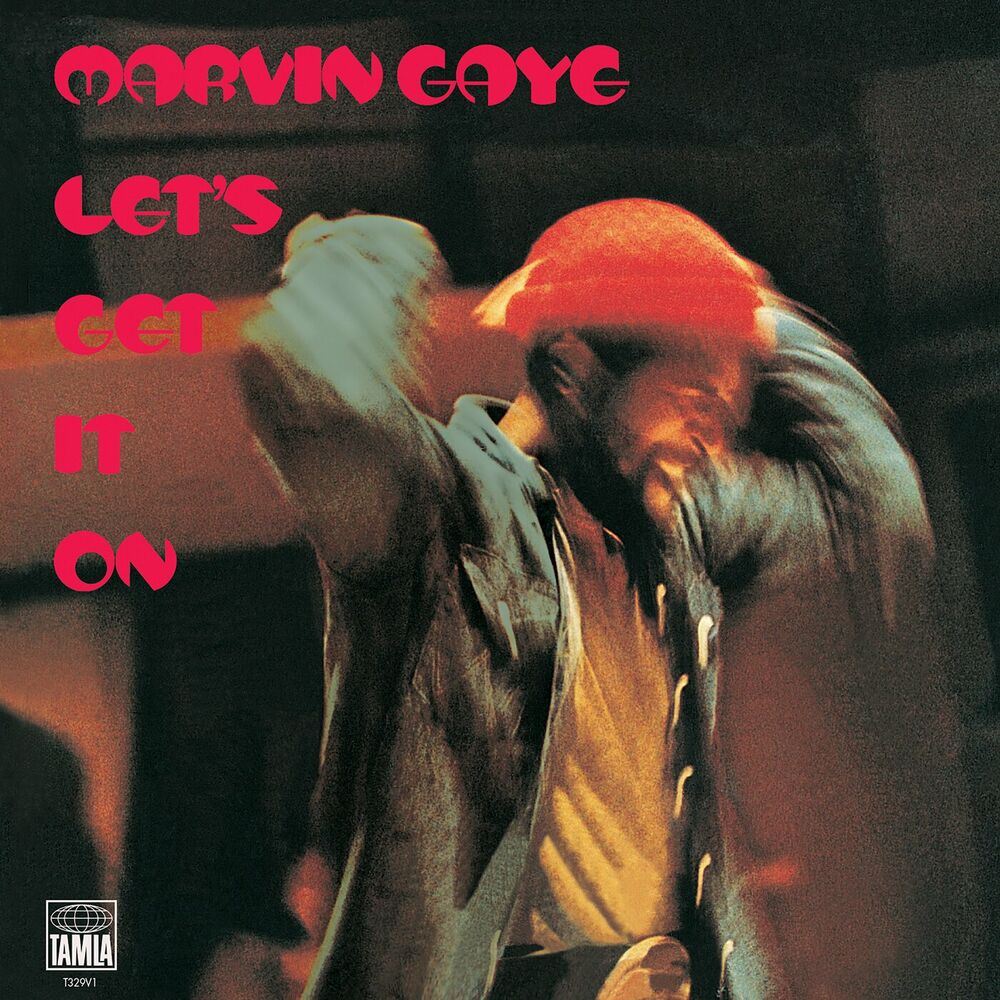
Let's Get It On
Marvin Gaye
Features the same smooth, sensual soul aesthetic with lush orchestral arrangements and intimate vocal delivery that defines Vandross's style.
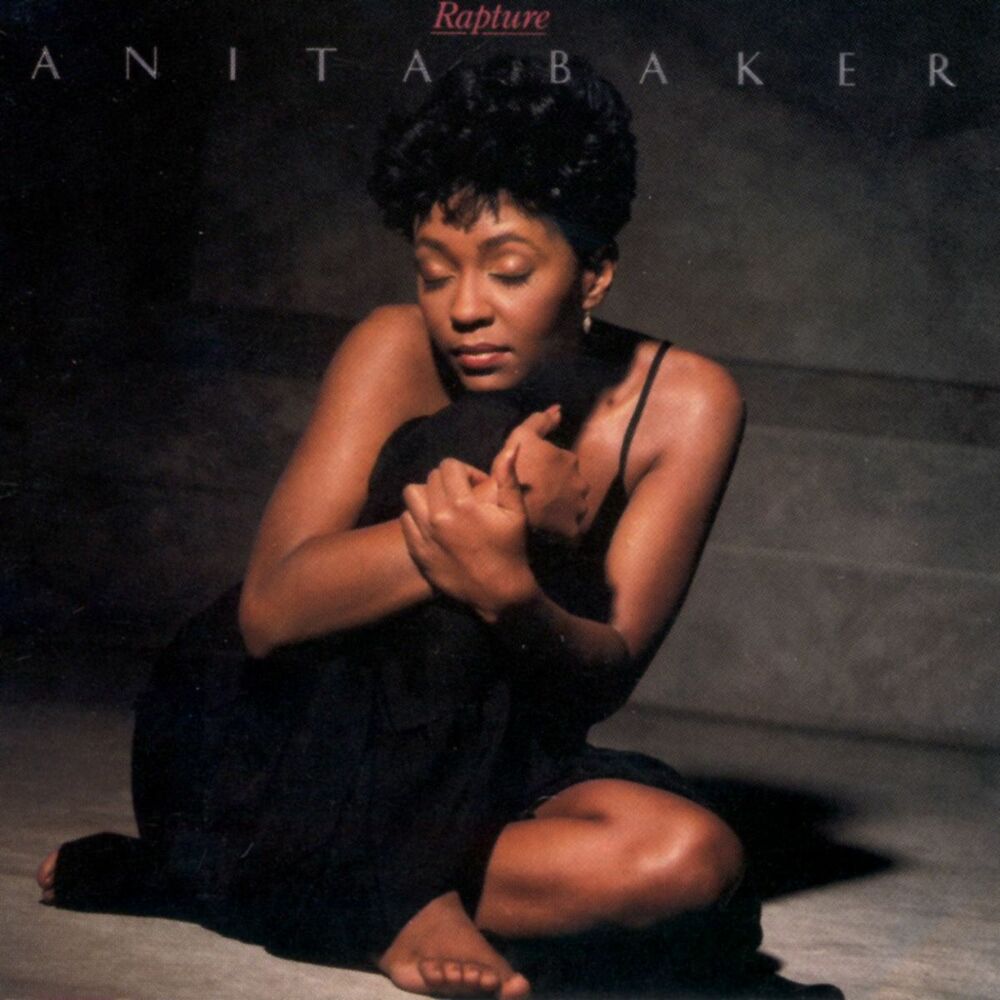
Rapture
Anita Baker
Shares Vandross's sophisticated approach to soul music with rich, layered production and emotionally nuanced vocal performances.
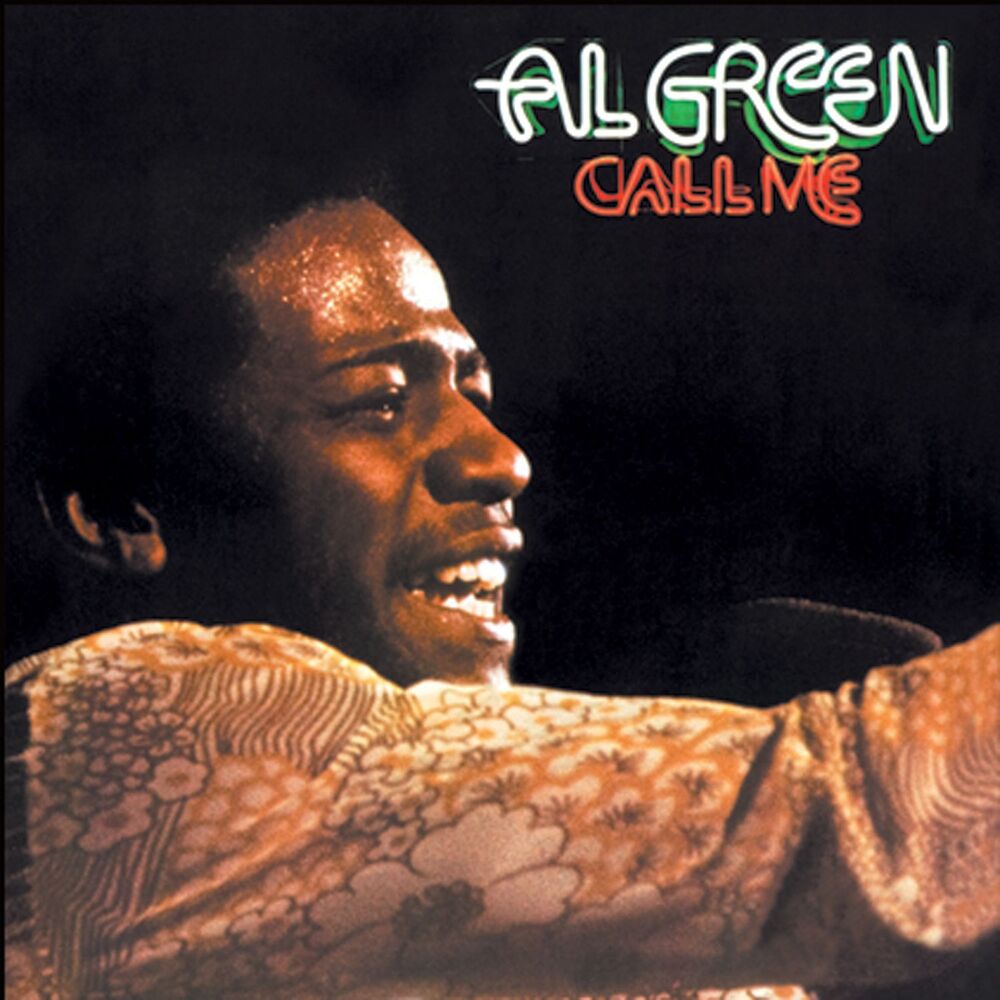
Call Me
Al Green
Offers the same romantic soul foundation with warm instrumentation and a focus on vocal expressiveness that collectors of Vandross appreciate.
Own this record? Track it in your collection.