#361 of 500
· Rolling Stone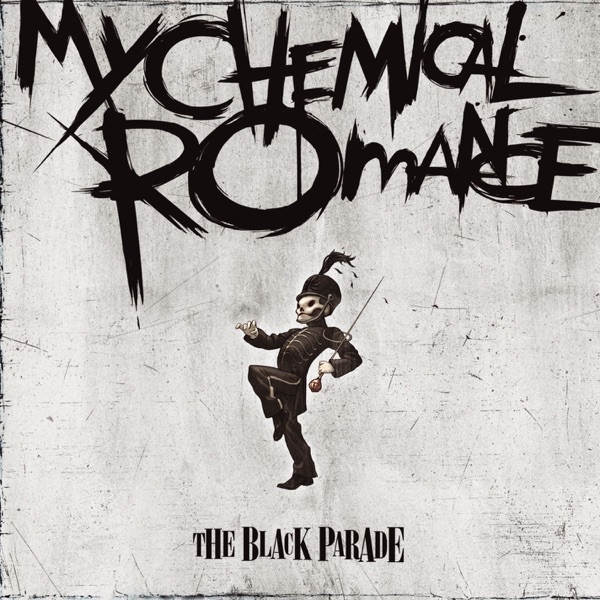
“Past 300, every pick is an argument worth having. My Chemical Romance's The Black Parade (2006) is rock that transcends its genre tag. The original pressing is the one to find — the kind of record that stops you mid-flip at the store.”
My Chemical Romance emerged from Newark, New Jersey in 2001, becoming one of the defining bands of the mid-2000s emo and alternative rock movement. Led by Gerard Way, the band released their landmark debut 'I Brought You My Bullets, You Brought Me Your Love' in 2002, followed by the conceptual masterpiece 'Three Cheers for Sweet Revenge' (2004), which established their theatrical, emotionally intense sound. Their third album 'The Black Parade' (2006) became a cultural phenomenon, blending progressive rock, punk, and emo influences into a rock opera format that earned critical acclaim and commercial success. The band dissolved in 2013 but reunited in 2019, releasing the album 'Danger Days: The True Lives of the Fabulous Killjoys' (2010) during their original run, which showcased a more experimental, colorful direction before their hiatus.
Style
My Chemical Romance blends emo, alternative rock, and theatrical progressive rock with dramatic vocals, orchestral arrangements, and conceptual storytelling. Their sound evolved from punk-influenced angst-rock to more ambitious, genre-blending compositions featuring complex arrangements and narrative-driven album structures.
Significance
The band is essential to vinyl collectors interested in 2000s alternative and emo movements, with 'The Black Parade' considered one of the era's most important rock albums. Their reunion and catalog reissues have made their vinyl discography highly sought after by both nostalgic fans and new listeners discovering their theatrical approach to rock music.
The Black Parade, released in October 2006, marked My Chemical Romance's ambitious leap from post-hardcore to theatrical rock. Recorded primarily at the legendary Electric Lady Studios in New York under producer Rob Cavallo (known for Green Day's American Idiot), the album conceptually follows a dying soldier's journey through the afterlife. Frontman Gerard Way drew inspiration from classic rock opera traditions, marching band aesthetics, and personal introspection about mortality and legacy. The recording process involved meticulous orchestration, with strings, horns, and layered vocals creating a cinematic soundscape. Key collaborators included keyboardist James Dewees and touring members who contributed to the album's expansive arrangements. Way has described the project as a therapeutic exploration of death anxiety that evolved into a fully realized narrative arc.
Historical Context
The Black Parade arrived during a golden age of emo and alternative rock crossover success, following breakthroughs by Fall Out Boy and Taking Back Sunday. Its operatic ambition and theatrical presentation influenced the broader alternative scene, while the album's thematic depth attracted listeners beyond typical rock audiences. Commercially, it became MCR's most successful release, achieving platinum status and establishing them as festival mainstays. Critics praised its ambitious scope, though some dismissed its theatricality. The album's cultural resonance has only grown since, becoming a touchstone for generations of alternative music fans.
Pressing Notes
The original 2006 pressing on Reprise Records came in standard black vinyl. Subsequent editions have included reissues with alternative artwork variants and colored vinyl pressings released through both major label and independent channels. The 2016 deluxe reissue featured restored artwork and bonus content. Collectors should note that early pressings can vary in pressing quality; later reissues generally offer improved sound. The album has been reissued multiple times, with vinyl editions remaining readily available, making it one of the more accessible modern rock operas for collectors. Variants with picture discs and special packaging have emerged, particularly anniversary editions.
Own this record? Track it in your collection.