#358 of 500
· Rolling Stone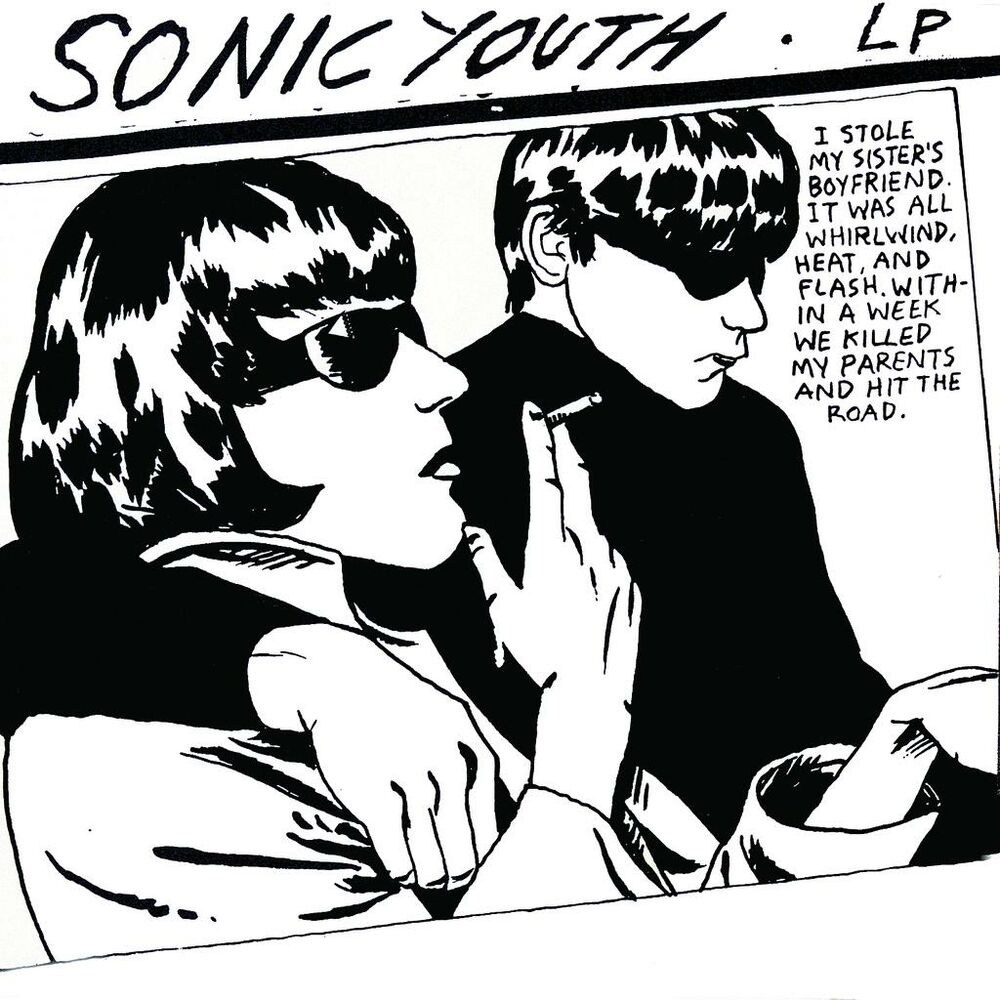
“Goo by Sonic Youth (1990) sits at #358 and earns every bit of it. Past 300, every pick is an argument worth having. The original pressing is built for vinyl playback — the kind of album that sounds better on wax.”
Sonic Youth emerged from New York's experimental music scene in the early 1980s, pioneering an influential blend of punk rock and avant-garde noise music. Led by Thurston Moore and Kim Gordon, the band released their landmark self-titled debut in 1985, followed by the critically acclaimed "EVOL" (1986) and "Sister" (1987), which established their signature style of altered tunings and feedback-driven guitar work. Throughout the 1990s and 2000s, they achieved mainstream recognition with albums like "Goo" (1990) and "Washing Machine" (1995), while maintaining their experimental edge. The band dissolved in 2011 after nearly three decades of influential output, leaving behind a legacy that bridged underground punk ethos with serious artistic innovation.
Style
Sonic Youth created a distinctive fusion of punk rock aggression and avant-garde noise experimentation, characterized by unconventional guitar tunings, layered feedback, and hypnotic rhythmic structures that challenged rock music conventions.
Significance
Sonic Youth is essential to vinyl collectors as architects of post-punk noise rock and major influencers on alternative and indie music. Their albums, particularly their mid-80s output and 90s work, are highly sought-after on vinyl for their sonic depth and artistic integrity, representing a crucial bridge between underground experimental music and alternative rock mainstream acceptance.
Sonic Youth's fifth studio album 'Goo' (1990) marked a significant creative peak for the avant-garde rock pioneers. Recorded at Electric Lady Studios in New York with producer Ron Saint Germain, the band—Kim Gordon, Thurston Moore, Lee Ranaldo, and Steve Shelley—crafted their most accessible yet experimental work to date. The album showcased the band's mastery of alternative tunings and feedback-heavy guitar work while incorporating more structured songwriting. Notable collaborators included poet Allen Ginsberg, who contributed spoken word to 'Kool Thing,' and filmmaker Spike Jonze, who would later collaborate with the band on videos. The recording process balanced the band's no-wave roots with mainstream rock sensibilities, resulting in anthemic tracks like 'Dirty Boots' and 'Teenage Riot' that balanced noise and melody.
Historical Context
'Goo' arrived at a pivotal moment when alternative rock was transitioning from underground phenomenon to mainstream cultural force, preceded by Nirvana's 'Nevermind' by several months. Released in June 1990, the album received widespread critical acclaim and achieved greater commercial success than previous Sonic Youth releases, reaching college radio and MTV rotation. The album helped legitimize experimental rock techniques within broader alternative music culture. Sonic Youth positioned themselves as intellectual architects of the emerging alt-rock landscape, influencing countless bands navigating the intersection of avant-garde aesthetics and rock accessibility throughout the 1990s.
Pressing Notes
The original Geffen Records LP pressing (GHS 24377) featured Kim Gordon's provocative cover artwork and came in standard black vinyl. Early pressings are highly sought after by collectors. The album has been reissued multiple times, including deluxe reissues with expanded liner notes and bonus material. Vinyl collectors should note that different pressings may vary in audio quality; original first pressings are generally preferred. The album was also released on cassette and CD, with later reissues sometimes including bonus tracks. Condition and label variations can affect collector value, with mint condition original pressings commanding premium prices in the secondary market.
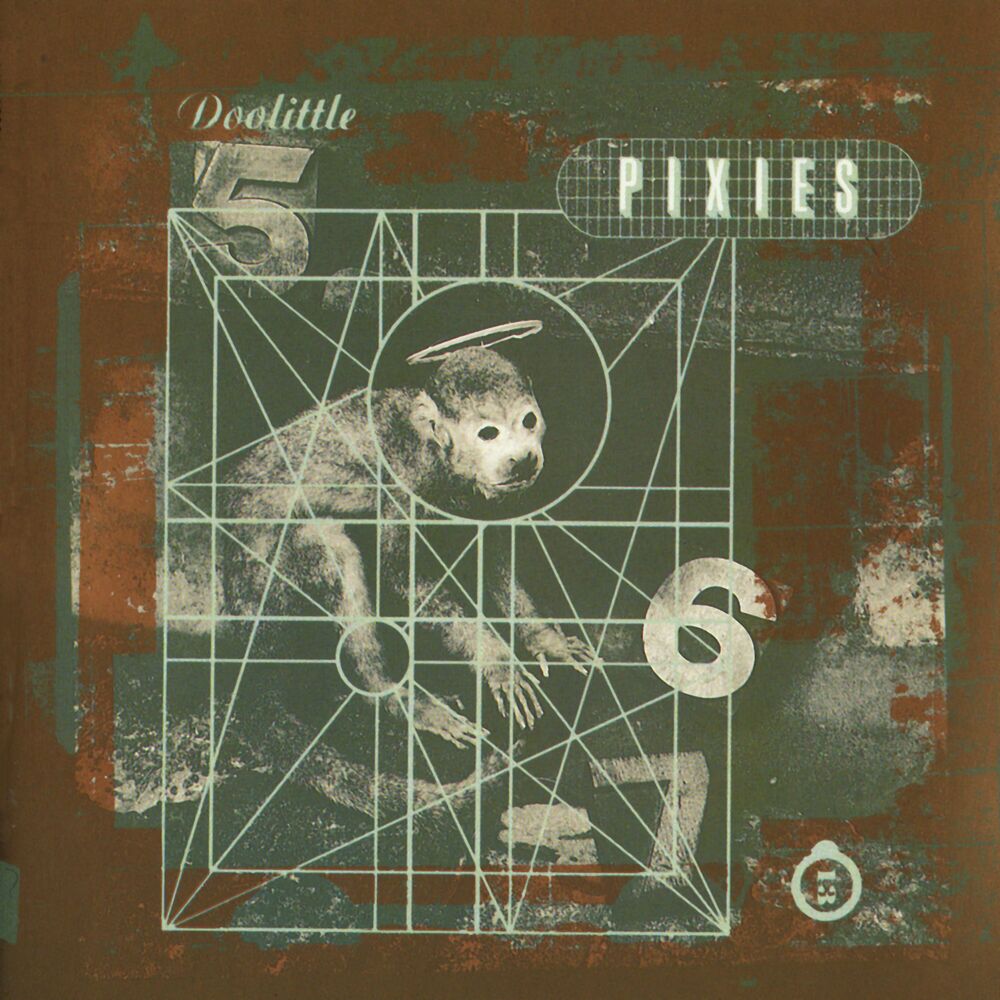
Doolittle
Pixies
A landmark alternative rock album with similarly abrasive guitars, unconventional song structures, and the same era's experimental approach to rock music.
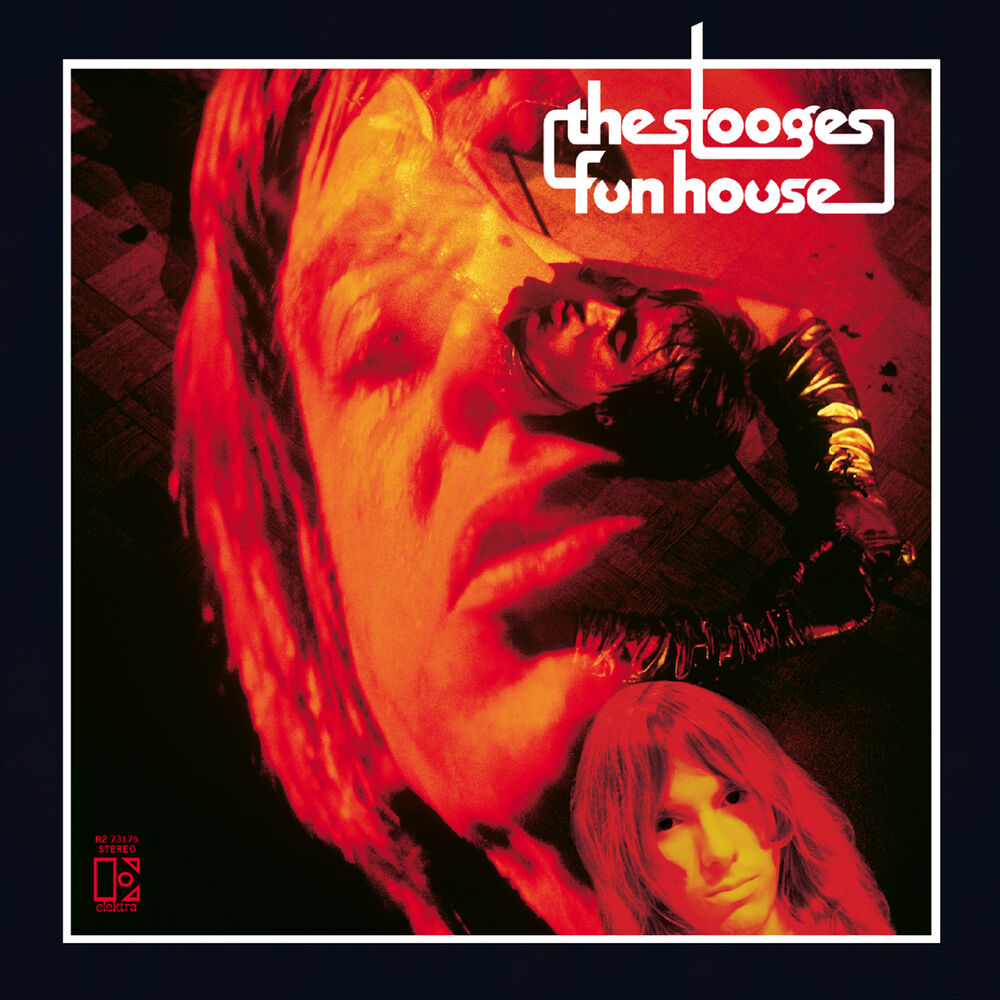
Fun House
The Stooges
Raw, distorted guitar work and chaotic energy that influenced Sonic Youth's approach to noise and feedback within rock structures.

Rid of Me
PJ Harvey
Features angular guitar work, unconventional production, and visceral intensity that shares Sonic Youth's willingness to prioritize texture and dissonance.
Own this record? Track it in your collection.