#347 of 500
· Rolling Stone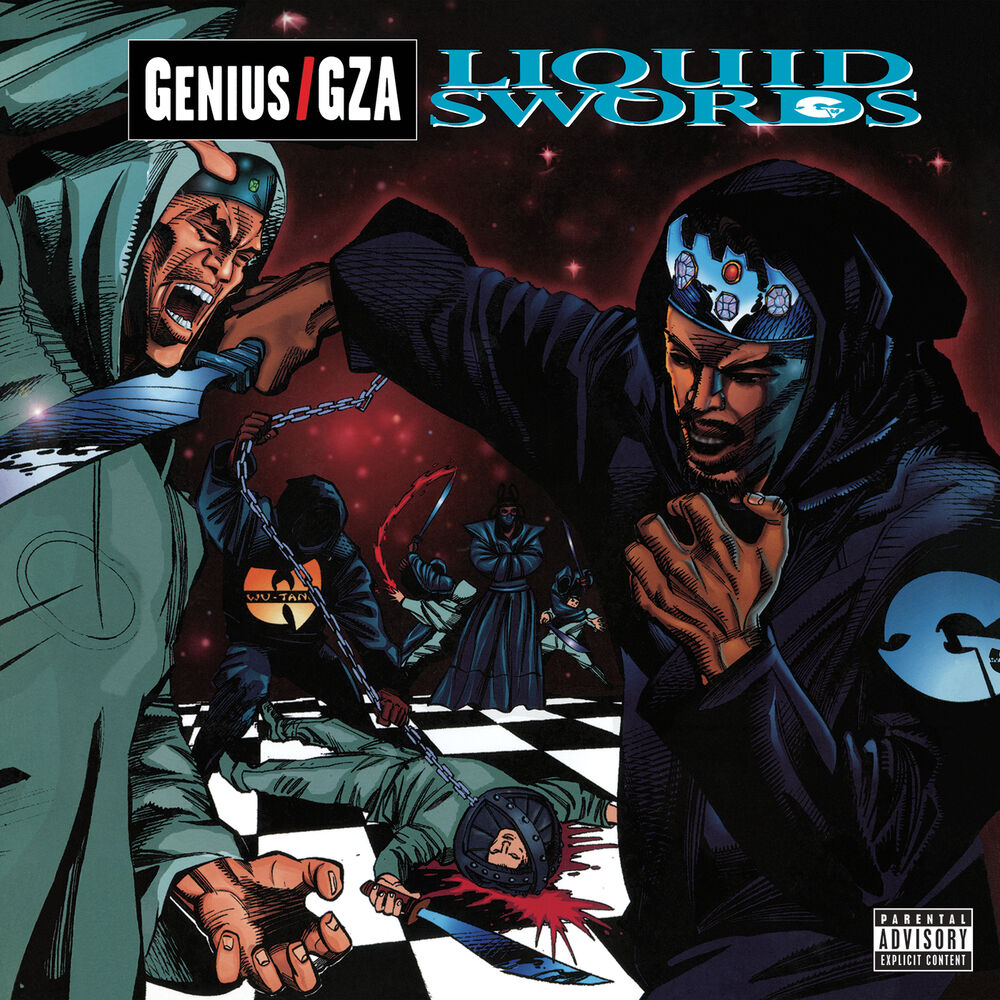
“There's a case that Liquid Swords deserves to be higher, but #347 is solid company. GZA's work here (1995) is the kind of thing that makes you play both sides twice. The Geffen pressing is the way in.”
GZA, born Gary Grice in 1966, is a founding member of the Wu-Tang Clan and one of hip-hop's most cerebral lyricists. Before Wu-Tang's revolutionary 1993 debut, GZA released two solo albums in the late 1980s and early 1990s. His 1995 solo album "Liquid Swords" is considered a classic, featuring production by RZA and showcasing GZA's intricate wordplay and philosophical approach to hip-hop. Following Wu-Tang's initial run, GZA maintained a prolific solo career with albums like "Beneath the Surface" (1999) and "Legend of the Liquid Sword" (2002). His production collaborations with RZA created some of the most distinctive sounds in 1990s hip-hop, characterized by sparse, atmospheric beats and martial arts film samples.
Style
GZA is a Wu-Tang Clan member known for his complex, introspective lyricism and philosophical approach to hip-hop. His sound combines cerebral storytelling with RZA's signature minimalist, sample-heavy production style.
Significance
GZA's "Liquid Swords" is a landmark hip-hop album highly sought by vinyl collectors for its production quality and cultural importance. As a key architect of Wu-Tang's innovative sonic blueprint, GZA's vinyl releases remain essential to 1990s hip-hop record collections.
Liquid Swords, released in 1995, was GZA's solo debut and a landmark in hip-hop production. The album was primarily produced by RZA, who had just begun establishing himself as a visionary producer following Wu-Tang Clan's breakthrough. GZA worked closely with RZA to craft the album's dense, cinematic sound, featuring samples from kung-fu films that would become a Wu-Tang signature. The recording process involved multiple sessions throughout 1994-1995, with contributions from fellow Wu-Tang members including U-God, Masta Killa, and others. The album showcased GZA's intricate lyricism and storytelling ability, with RZA's production creating atmospheric, often sparse beats that contrasted sharply with mainstream 1990s hip-hop. Tracks like 'Liquid Swords' and 'Shadowboxin'' became instant classics, demonstrating both artists' artistic maturity shortly after Wu-Tang Clan's debut.
Historical Context
Liquid Swords arrived during the golden age of 1990s East Coast hip-hop, following the massive success of Wu-Tang Clan's 36 Chambers (1993) and preceding the wave of solo albums from Wu-Tang members. The mid-1990s saw hip-hop's mainstream acceptance expanding, yet Liquid Swords maintained an uncompromising artistic vision that didn't sacrifice substance for radio play. The album was critically acclaimed and commercially successful, establishing GZA as a lyricist of exceptional skill and RZA as one of hip-hop's greatest producers. It influenced countless subsequent hip-hop releases and helped legitimize the Wu-Tang collective's diverse individual projects.
Pressing Notes
The original 1995 Genius Records/MCA release came as a standard black vinyl pressing. Collectors should note that early pressings can vary in sound quality; later pressings from the late 1990s and 2000s are generally more consistent. A reissue was released in the 2010s by Liquid Swords LLC with improved mastering. For collectors, the original 1995 pressing remains desirable, though all versions are relatively affordable and available. The album's cover artwork, featuring a samurai sword emerging from mist, is consistent across most pressings. Check for surface condition carefully when purchasing vintage copies, as they may have been heavily played.
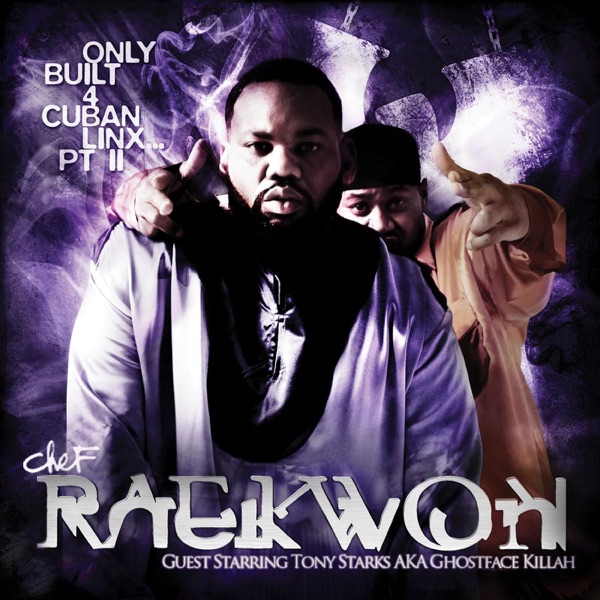
Only Built 4 Cuban Linx...
Raekwon
A Wu-Tang Clan affiliate album with comparable dark, sample-heavy production and intricate storytelling from the same era.

Mm..Food
MF DOOM
Shares the same obsessive attention to production detail, lyrical complexity, and dark atmospheric beats that define Liquid Swords.
Also Appears On
Own this record? Track it in your collection.