#336 of 500
· Rolling Stone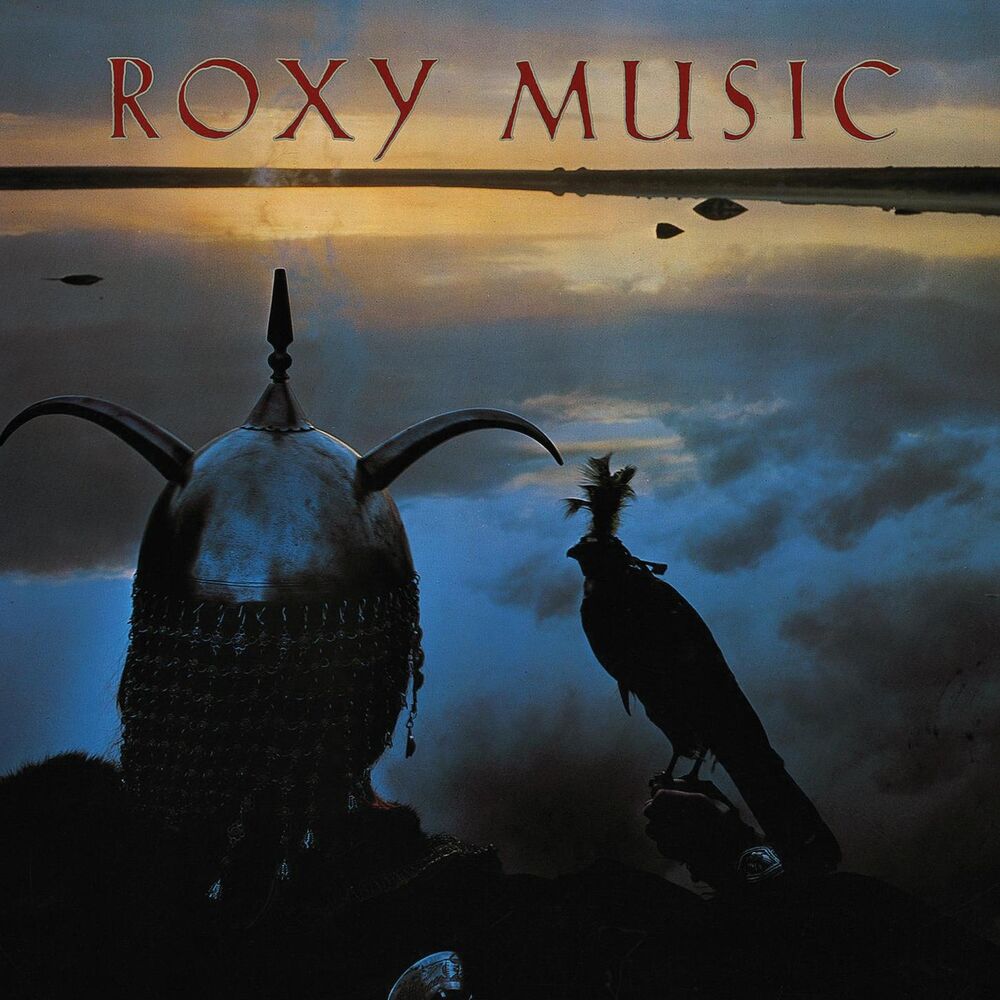
“Past 300, every pick is an argument worth having. Roxy Music's Avalon (1982) is rock that transcends its genre tag. The original pressing is the one to find — the kind of record that stops you mid-flip at the store.”
Roxy Music emerged from glam rock's avant-garde fringe in 1971, led by Bryan Ferry's sophisticated vocals and visual presentation. The band's early albums, particularly 'For Your Pleasure' (1973), established them as innovators blending art rock, glam, and proto-punk aesthetics. With the addition of keyboardist and co-founder Brian Eno on the first two albums, they crafted densely layered, experimental soundscapes that influenced countless artists. After Eno's departure in 1973, Roxy Music evolved toward a more polished, art-pop sound on albums like 'Siren' (1975) and 'Manifesto' (1979). The band's final studio album 'Avalon' (1982) showcased their mature sophistication before disbanding, reuniting occasionally for tours throughout the 1990s and 2000s.
Style
Roxy Music synthesized glam rock's theatricality with avant-garde art rock, progressive experimentation, and sophisticated pop sensibilities. Their sound evolved from densely layered, electronically texturing arrangements to sleek, cosmopolitan art-pop with jazz and soul influences.
Significance
Roxy Music's meticulously crafted albums and striking visual presentation established them as essential listening for vinyl collectors, particularly their early albums prized for Brian Eno's innovative production and their later work representing peak 1970s art-pop sophistication.
Avalon, Roxy Music's eighth and final studio album, marked a sophisticated evolution toward lush, orchestral pop. Released in 1982, the album was recorded at multiple studios including Maison Rouge in London, with producer Rhett Davies overseeing much of the sessions. Bryan Ferry collaborated with keyboardist Paul Thompson and synthesizer programmer Chris Heaton to craft an immaculate, cinematic sound. The album's creation reflected Ferry's growing interest in romantic sophistication and elegant arrangements, moving away from the band's earlier avant-garde tendencies. Ferguson and producer Davies meticulously layered strings, horns, and synthesizers to create what would become one of Roxy Music's most commercially successful works.
Historical Context
Avalon arrived during the early 1980s synth-pop explosion, yet distinguished itself through orchestral depth rather than electronic simplicity. The album's release came as Roxy Music was entering its final phase, with Ferry increasingly focusing on solo work. Avalon became a commercial triumph, reaching number one in the UK and establishing itself as a landmark of 1980s sophisticated pop. The album's success demonstrated that art-rock sophistication could coexist with mainstream appeal, influencing subsequent baroque pop trends. Critics praised its production values and Ferry's refined vocal delivery, cementing Roxy Music's legacy as innovators who could reinvent themselves across decades.
Pressing Notes
Original 1982 UK pressings on Polydor featured pristine mastering reflective of the album's studio precision. Early copies are highly sought after for their warm analog sound and superior jacket quality. Various reissues exist, including 1990s remasters and 2000s expanded editions with bonus material. Collectors should seek original first editions on virgin vinyl; later pressings show compression in the orchestral arrangements. The gatefold artwork by Hipgnosis remains a collectable highlight. Japanese imports from the era are noted for exceptional pressing quality and attention to detail, making them particularly desirable for audiophiles.
Own this record? Track it in your collection.