#334 of 500
· Rolling Stone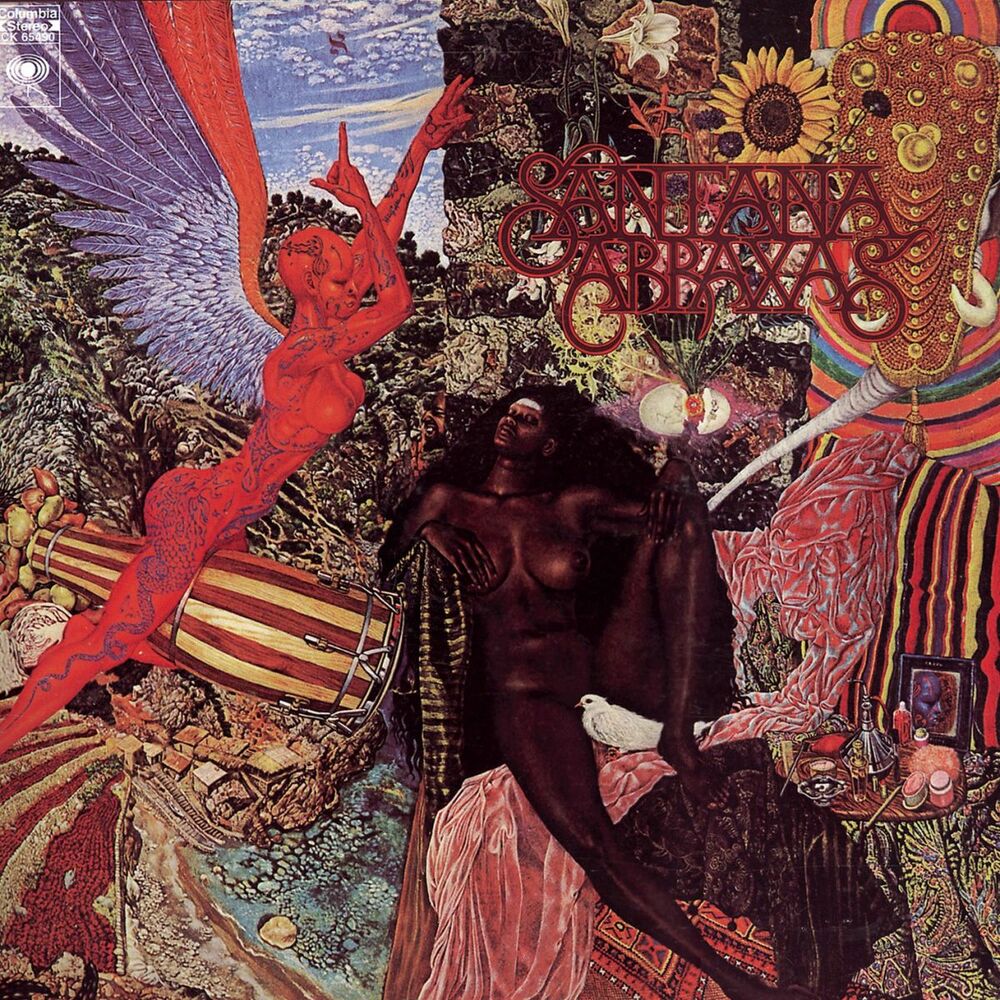
“Abraxas by Santana (1970) sits at #334 and earns every bit of it. Past 300, every pick is an argument worth having. The original pressing is built for vinyl playback — the kind of album that sounds better on wax.”
Santana, led by guitarist Carlos Santana, emerged from San Francisco in the late 1960s as a pioneering force in Latin rock. The band achieved massive commercial success with their eponymous 1971 debut album and the landmark 1971 release "Santana II," which featured the hit "Oye Como Va." Their most commercially successful album came decades later with 1999's "Supernatural," a Grammy-winning comeback that showcased their ability to evolve while maintaining their signature sound. Throughout their career spanning over five decades, Santana has released numerous platinum albums and collaborated with artists across multiple genres, cementing their status as one of rock music's most enduring acts.
Style
Santana pioneered Latin rock by fusing Latin percussion and rhythms with rock guitar, creating a distinctive sound characterized by rich congas, timbales, and Carlos Santana's fluid, blues-influenced lead guitar work. Their style blends salsa, mambo, and Afro-Cuban elements with rock and soul sensibilities.
Significance
Santana's albums are essential vinyl collectibles, particularly their early 1970s releases on Columbia Records, which showcase the raw energy and innovative production of the Latin rock movement. Their influence on rock and world music fusion makes their vinyl releases highly sought by collectors interested in the intersection of Latin music and rock history.
Santana's second album, Abraxas, was recorded in 1970 following the massive success of their self-titled debut. The band, led by guitarist Carlos Santana, sought to expand their sound while maintaining the Latin rock fusion that defined them. The album featured prominent contributions from keyboardist Gregg Rolie and showcased the group's tighter, more cohesive arrangements. A pivotal moment came with their decision to cover Tito Puente's "Oye Como Va," transforming it into a transcendent Latin-rock staple. The album was recorded relatively quickly, capturing the band's live energy and chemistry. Produced by Fred Lewis and the band themselves, Abraxas benefited from the addition of percussion elements and a stronger emphasis on groove, while maintaining the spiritual and mystical qualities that resonated with the counterculture audience.
Historical Context
Released in September 1970, Abraxas arrived at the perfect moment when rock audiences were increasingly receptive to world music influences and Latin rhythms. The album dominated the charts, eventually spending 31 weeks at number one on the Billboard 200—an extraordinary run that reflected the band's crossover appeal. "Oye Como Va" became their signature song, reaching the top 20 on the singles chart and introducing millions to Latin music through rock radio. The success of Abraxas cemented Santana's position as leaders of the Latin rock movement and influenced countless musicians to explore similar fusion territories. The album's commercial and critical success helped validate world music and non-English language compositions on mainstream rock radio.
Pressing Notes
The original 1970 Columbia Records pressing is highly sought by collectors, particularly early issues with the gatefold cover featuring the iconic winged deity artwork. Original pressings featured 360-degree sound labels and were pressed at various Columbia plants. Audiophile-quality reissues have been released by Mobile Fidelity Sound Lab and other high-end labels, offering improved sound for those prioritizing listening quality. The album has been reissued multiple times across different formats and pressings, but first pressing original vinyl in excellent condition commands premium prices. Collectors should examine the pressing plant designation and label variation, as early pressings tend to offer superior sound quality and collectibility compared to later reissues.
Own this record? Track it in your collection.