#333 of 500
· Rolling Stone
“There's a case that Still Bill deserves to be higher, but #333 is solid company. Bill Withers's work here (1972) is the kind of thing that makes you play both sides twice. The Sussex pressing is the way in.”
Bill Withers (1938-2020) was an American singer-songwriter and musician born in Slab Fork, West Virginia. After serving in the U.S. Navy and working various jobs, he moved to Los Angeles in 1966 and began his music career relatively late, releasing his debut album "Just as I Am" in 1971 at age 33. The album featured his signature hit "Ain't No Sunshine," which became a timeless classic. Throughout the 1970s, Withers achieved major success with albums like "Still Bill" (1972) and "+'Justments" (1974), establishing himself as a master of soulful, introspective songwriting. His collaborations with Booker T. Jones and producer John Leventhal resulted in sophisticated, jazz-influenced soul recordings. Withers retired from the music industry in the mid-1980s to focus on his personal life, making his catalog of work compact yet consistently excellent—a quality highly valued by vinyl collectors.
Style
Withers' style blends soul, R&B, and folk influences with a stripped-down, acoustic-driven approach and his distinctive, warm baritone voice. His music is characterized by introspective lyrics, sophisticated production, and a timeless quality that transcends typical soul music conventions.
Significance
Bill Withers is regarded as one of the greatest soul artists and his albums are cornerstone records for vinyl collectors, with "Just as I Am" and "Still Bill" remaining highly sought after for their pristine production quality and emotional resonance. His limited but influential discography and the enduring quality of his work make his vinyl records both sonically rewarding and culturally significant.
Still Bill, released in 1972, represents Bill Withers at a creative peak, building on the massive success of his debut album. Recorded primarily at A&M Studios in Los Angeles, the album showcases Withers' evolution as a songwriter and performer, moving beyond the acoustic folk-soul sound that made "Ain't No Sunshine" a hit. Working with producer Jerry Wexler and a stellar session band that included guitarist Carlos Santana on "Use Me," Withers crafted a more sophisticated, funk-influenced sound while maintaining his characteristic emotional authenticity. The album features some of his most enduring compositions, with "Lean on Me" becoming an immediate classic and "Use Me" providing a grittier, groove-oriented counterpoint. Withers recorded the material with a collaborative spirit, drawing on the talents of arrangers and musicians who understood his vision of blending soul, funk, and introspective balladry.
Historical Context
Still Bill arrived during a transformative period in soul and funk music, as artists were increasingly incorporating harder grooves and more experimental production techniques. The early 1970s saw soul music expanding beyond its 1960s foundations, and Withers' sophisticated songwriting positioned him alongside contemporary innovators. The album was both a critical and commercial success, establishing Withers as more than a one-hit wonder and cementing his reputation as a songwriter of remarkable depth. "Lean on Me" became his signature song, offering an uplifting message of mutual support that resonated across racial and generational lines. The album's blend of accessibility and artistic ambition helped define the contemporary soul sound of the era.
Pressing Notes
Still Bill was originally released on Sussex Records, an independent soul label. Original 1972 pressings are highly sought after by collectors, particularly early stereo editions with gatefold artwork. The album has been reissued multiple times on vinyl, including Japanese imports on audiophile labels and modern 180-gram reissues that have improved sonic quality. First pressings on Sussex can vary in pressing quality, with some original copies showing the warmer, slightly compressed characteristics of early 1970s mastering. Collectors should note that different pressings may have slightly different mixes; early pressings are generally preferred for their vintage character. The album remains in print and is relatively easy to find, making it accessible to both casual listeners and serious collectors.

Let's Stay Together
Al Green
This album shares the same warm, soulful production and intimate vocal style that defines Still Bill, with lush orchestration and timeless romantic soul songs.

What's Going On
Marvin Gaye
Both albums feature introspective soul with sophisticated arrangements and socially conscious lyrics, creating a reflective and deeply human listening experience.
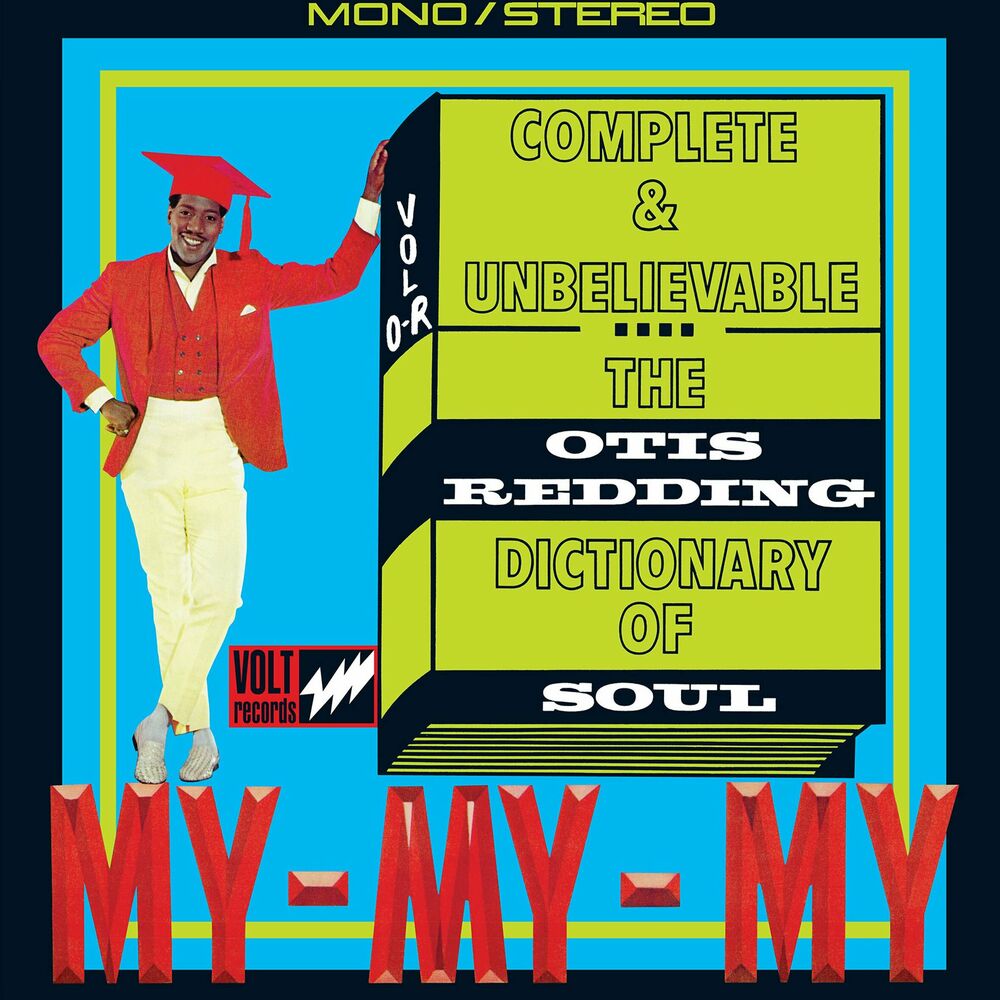
Dictionary of Soul
Otis Redding
Otis brings that same raw emotional soul vocal delivery over well-crafted R&B arrangements, offering powerful yet intimate performances that resonate with Still Bill's essence.
Also Appears On
Own this record? Track it in your collection.