#104 of 500
· Rolling Stone
“Deep enough in the list to separate casual fans from serious collectors. The Rolling Stones's Sticky Fingers (1971) is rock that transcends its genre tag. The original pressing is the one to find — the kind of record that stops you mid-flip at the store.”
The Rolling Stones, formed in London in 1962, became one of the most influential and enduring rock bands in history. The classic lineup of Mick Jagger, Keith Richards, Charlie Watts, and Bill Wyman established themselves as the primary rival to The Beatles throughout the 1960s. Their early albums drew from American blues and R&B, while their mid-period work—including *Sticky Fingers* (1971) and *Exile on Main St.* (1972)—showcased a more sophisticated songwriting and production approach. The band continued recording and touring through subsequent decades, with notable albums like *Some Girls* (1978) and *Steel Wheels* (1989). Their influence on rock music, blues interpretation, and live performance remains unparalleled, spanning over six decades of continuous creative output.
Style
The Rolling Stones pioneered a blues-based rock sound characterized by Keith Richards' distinctive guitar work, swaggering vocals from Mick Jagger, and a driving rhythm section. Their style evolved from pure blues covers to innovative rock compositions blending blues, country, and funk influences.
Significance
For vinyl collectors, The Rolling Stones discography represents essential rock music history, with their 1970s albums widely considered masterpieces of analog recording. Original pressings of *Sticky Fingers* and *Exile on Main St.* are particularly prized for their sonic quality and iconic cover art.
Sticky Fingers was recorded during a prolific period for The Rolling Stones, with sessions taking place at various locations including Muscle Shoals Sound Studio in Alabama and London studios between 1969 and 1970. The album marked a significant creative resurgence following the legal troubles and internal tensions of the late 1960s. Key to the album's sound was the addition of guitarist Mick Taylor, whose blues-influenced playing added fresh dimension to the band's signature style. Notable collaborators included producer Jimmy Miller, who brought a tighter, more cohesive production approach. The album featured the seminal track "Brown Sugar," which became one of the Stones' most iconic songs, alongside blues covers and original compositions that showcased the band's deep roots in American blues music. Recording was intense and focused, with the band determined to reassert their position as rock's preeminent force.
Historical Context
Released in April 1971, Sticky Fingers arrived at a pivotal moment when the Stones were rebuilding their public image and artistic credibility. The early 1970s saw a resurgence of interest in blues-rock and stripped-down rock and roll, which the album perfectly captured. It debuted at number one in the UK and reached number three in the US, becoming one of the decade's most commercially successful and critically acclaimed rock albums. The album's release coincided with increased FM radio play and the emergence of album-oriented rock as a dominant commercial format. Sticky Fingers proved that the Stones remained vital innovators, influencing countless rock bands throughout the decade.
Pressing Notes
The original 1971 UK pressing on Rolling Stones Records featured the iconic Andy Warhol-designed cover with a working zipper, a groundbreaking design that became instantly collectible. Early pressings vary in label design and inner sleeve configurations. The album has been reissued multiple times, including a 2015 remaster released as a deluxe edition. Original first pressings with the zipper intact and in good condition command premium prices among collectors. Collectors should note that the zipper mechanism can damage adjacent records if stored improperly, and many original copies show wear from this feature. Vinyl pressing quality varies between original and reissue versions; audiophile-grade reissues are available for those prioritizing sound quality over original artifact status.

Exile on Main St.
The Rolling Stones
A raw, blues-soaked follow-up that deepens the gritty rock and roll aesthetic established on Sticky Fingers with even more experimental production.
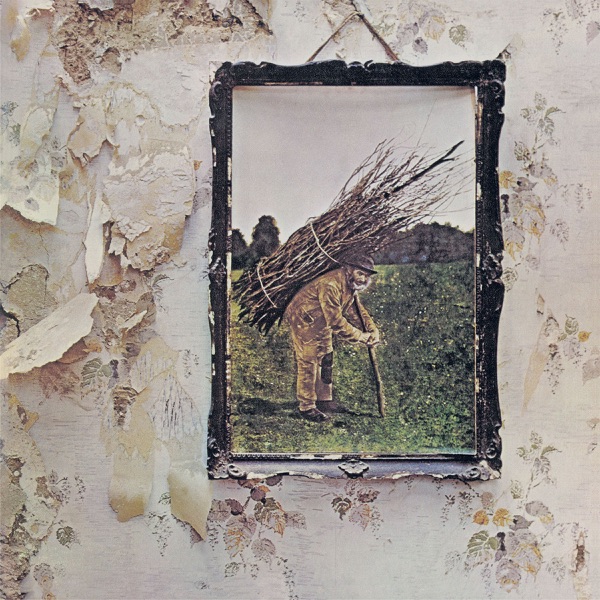
Led Zeppelin IV
Led Zeppelin
Shares the same era's heavy blues-rock foundation with layered instrumentation and a perfect balance of acoustic intimacy and electric power.
Own this record? Track it in your collection.