#322 of 500
· Rolling Stone
“From Elvis in Memphis by Elvis Presley (1969) sits at #322 and earns every bit of it. Past 300, every pick is an argument worth having. The original pressing is built for vinyl playback — the kind of album that sounds better on wax.”
Elvis Presley (1935-1977) emerged as a cultural phenomenon in the mid-1950s, revolutionizing popular music by blending country, blues, and gospel influences. His early recordings at Sun Studio in Memphis, including "That's All Right" and "Hound Dog," established him as the "King of Rock and Roll." Throughout the 1950s and 1960s, Elvis dominated the charts and starred in numerous films, while his controversial hip movements and charismatic stage presence captivated audiences worldwide. His RCA Victor catalog, particularly albums like "Elvis Presley" (1956), "Jailhouse Rock" (1957), and "Suspicious Minds" (1969), remain essential vinyl purchases for collectors. Despite creative fluctuations and his move into film soundtracks during the 1960s, Elvis maintained commercial dominance and achieved a remarkable resurgence in the late 1960s with his "68 Comeback Special."
Style
Elvis synthesized country twang, blues rhythms, and gospel vocal techniques into a revolutionary rock and roll sound characterized by his distinctive baritone voice and dynamic delivery. His recordings range from uptempo rockabilly and rock and roll to emotional ballads and soul-influenced material.
Significance
Elvis Presley is arguably the most important figure in rock and roll history, whose influence shaped modern popular music fundamentally. His original Sun Records pressings and early RCA releases are among the most sought-after vinyl records by collectors, representing the birth of contemporary popular music.
From Elvis in Memphis marked Elvis Presley's artistic comeback in 1969, recorded during two sessions at American Sound Studio in Memphis in January and June. Working with producer Chips Moman and songwriter-producer Mac Davis, Elvis reconnected with his musical roots while tackling contemporary material. The sessions produced some of his most acclaimed later work, with Elvis delivering emotionally resonant performances across genres including soul, country, and rock. Key tracks like "Suspicious Minds" and "Don't Cry Daddy" showcased his renewed vocal confidence. The album represented a deliberate move away from his Hollywood film soundtracks toward serious recording artistry, marking a creative resurgence during what many consider the beginning of his "comeback" era.
Historical Context
Released in November 1969, From Elvis in Memphis arrived at a crucial moment when Elvis's popularity had waned due to years of formulaic movie soundtrack work. The album coincided with his triumphant return to live performance at the Las Vegas International Hotel in August 1969. It proved that Elvis remained relevant and vital, earning critical praise and commercial success—the album reached number 12 on the Billboard 200 and spawned the chart-topping single "Suspicious Minds." This success reinvigorated his career and led to continued touring and recording throughout the 1970s, cementing his status as The King during a transformative period in rock music.
Pressing Notes
Original 1969 RCA pressings came on both orange and tan labels. The album has been reissued numerous times, including a 1980 RCA Living Stereo reissue and later Mobile Fidelity audiophile editions. Collectors should seek original pressings for superior sound quality; early copies tend to have richer, more dynamic audio compared to later reissues. The album's production quality and warm analog recording make it a favorite for vinyl enthusiasts. Note that some later pressings vary in mastering and pressing quality, so examining matrix numbers and label variations can help identify the best-sounding editions.
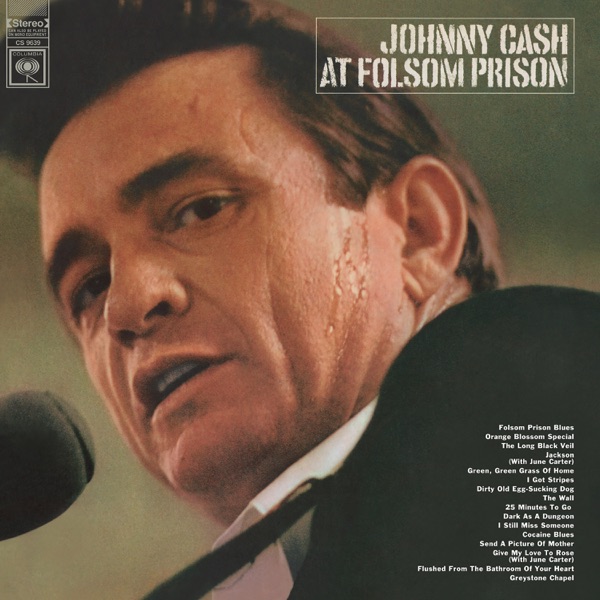
At Folsom Prison
Johnny Cash
Both albums capture an artist's raw, authentic performance in a stripped-down setting that emphasizes vocal delivery and emotional honesty.

Rain Dogs
Tom Waits
An album that prioritizes gritty, unconventional vocal performances and eclectic instrumentation over commercial polish, sharing Elvis's willingness to experiment.

Harvest
Neil Young
Balances rock sensibilities with intimate, emotionally vulnerable songwriting and features warm, organic instrumentation ideal for vinyl listening.
Own this record? Track it in your collection.