#311 of 500
· Rolling Stone
“At #311, On the Beach represents Neil Young at a creative peak (1974). The original pressing captures a moment in rock that's been influential ever since. Worth hunting in the bins.”
Neil Young is a legendary Canadian singer-songwriter and guitarist born in 1945 who has maintained a prolific career spanning over five decades. Beginning in the late 1960s with Buffalo Springfield and Crazy Horse, Young established himself as a distinctive voice blending rock, country, and folk influences. His solo career, launched in 1969, produced iconic albums including 'Harvest' (1972), which became one of the best-selling records of all time, 'After the Gold Rush' (1970), and 'Rust Never Sleeps' (1979). Young is renowned for his uncompromising artistic vision, frequently shifting between intimate acoustic work and raw electric guitar-driven rock. His ability to capture authentic emotion and experimental production techniques has influenced generations of musicians across multiple genres.
Style
Neil Young's sound blends country-rock, folk, and hard rock with a distinctive high, wavering vocal delivery and expressive guitar work ranging from fingerpicked acoustic to searing electric leads. His music is characterized by poetic lyrics addressing social issues and personal themes, often with minimal production that emphasizes emotional directness.
Significance
Young is a cornerstone artist for vinyl collectors due to his commitment to analog recording and sound quality; he famously championed superior audio formats and recorded extensively on analog tape. His vast discography offers tremendous variety across pressings and editions, making him a central figure in serious record collecting communities.
On the Beach, recorded in 1974, finds Neil Young in a raw and introspective state following the commercial and critical success of Harvest. Recorded primarily at the Record Plant in Sausalito, California, the album captures Young working through personal turbulence and disillusionment with fame. Accompanied by The Santa Monica Flyers (featuring bassist Greg Reeves, drummer Johnny Barbata, and pianist Ben Keith), Young crafted a more experimental sound than his previous work, incorporating country-rock elements with distorted guitars and unconventional song structures. The title track became one of his most acclaimed compositions—a sparse, haunting meditation that showcases his ability to convey emotional depth through minimalist arrangements. Young's guitar work throughout the album ranges from tender acoustic passages to heavily processed electric tones, reflecting his restless creative energy during this period.
Historical Context
Released in June 1974, On the Beach arrived during a transformative moment in rock music, as artists were moving beyond the early-70s singer-songwriter dominance toward more experimental territory. The album received mixed reviews initially, with some critics finding it too bleak and uncommercial compared to Harvest's accessibility. However, it has since been recognized as one of Young's finest works and a significant influence on punk and alternative rock aesthetics. The album's darker mood resonated with audiences seeking authenticity over polish, and it marked Young's continued evolution as an artist unwilling to repeat past commercial formulas.
Pressing Notes
The original 1974 pressing on Reprise Records is highly sought by collectors, particularly early stereo copies with the correct matrix numbers. The album has been reissued multiple times across various formats. The 1980s Nautilus half-speed mastered edition is particularly valued for its sonics. Remaster campaigns in 2003 and later years have made the album more accessible on vinyl. Collectors should note that pressing quality varies significantly; early pressings are generally preferred for warmth and clarity. The album was also released internationally on different labels, and Japanese pressings are known for superior quality control. Condition is paramount for this album—clean copies command premium prices.
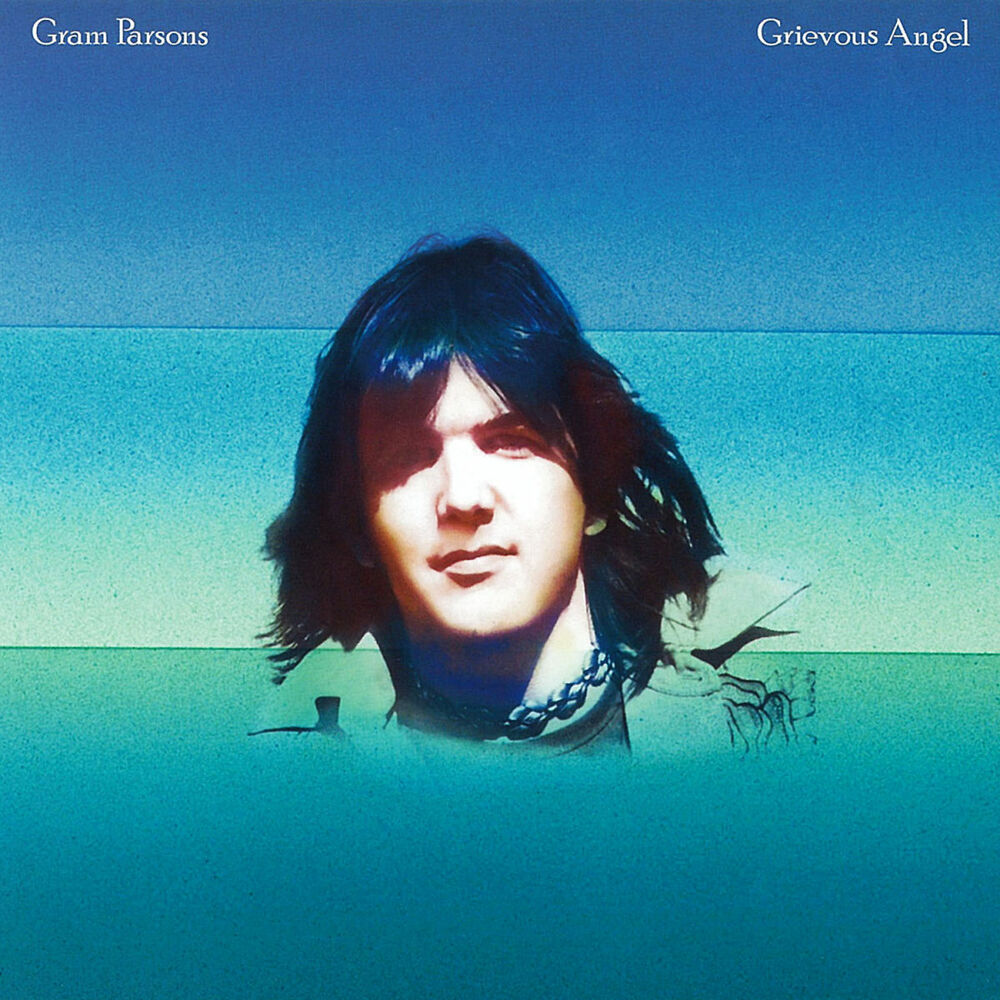
Grievous Angel
Gram Parsons
This album matches On the Beach's weary, reflective songwriting and country-rock fusion, with similarly authentic and emotionally raw vocals that defined the 1970s rock landscape.

Blue
Joni Mitchell
Though more folk-influenced, this album shares On the Beach's vulnerable storytelling, melancholic tone, and experimental approach to songcraft that resonated deeply in 1970s California rock.
Own this record? Track it in your collection.