#294 of 500
· Rolling Stone“#294 feels right for this one. Weezer (The Blue Album) is a product of the 1990s, and Weezer delivered something that still resonates. The original pressing rewards close listening on a good turntable.”
Weezer emerged from Los Angeles in 1992, pioneering the emo-pop sound that would dominate 1990s alternative rock. Led by Rivers Cuomo, the band released their self-titled debut (The Blue Album) in 1994, which became a landmark alternative rock achievement with hits like "Buddy Holly" and "Say It Ain't So." Their sophomore album Pinkerton (1996) showcased deeper emotional vulnerability and experimental production. After a lengthy hiatus from recording, Weezer returned with the self-titled album Make Believe (2005), initiating a prolific phase where they've released numerous albums exploring diverse sonic territories, from heavy rock to synth-pop influences. The band's willingness to reinvent itself while maintaining their core pop-sensibility has sustained their relevance across multiple decades.
Style
Weezer blends power pop hooks with alternative rock guitars, characterized by Cuomo's distinctive vocal delivery and introspective, often humorous lyrics. Their sound evolved from straightforward emo-pop to increasingly experimental arrangements incorporating synthesizers and genre-crossing influences.
Significance
As pioneers of 1990s emo-pop and alternative rock, Weezer's early albums—particularly the Blue Album and Pinkerton—are essential vinyl acquisitions for collectors of '90s rock. Their consistent touring and prolific discography have made them a reliable collectible artist, with numerous colored vinyl pressings and reissues making their catalog highly sought after by record enthusiasts.
Weezer's self-titled debut, commonly known as the Blue Album for its iconic cover, was recorded in 1993 and released in May 1994. The album was produced by Ric Ocasek of The Cars, who helped the band refine their nerdy, power-pop approach into something radio-friendly yet authentic. Frontman Rivers Cuomo wrote most of the material, channeling teenage angst, social anxiety, and romantic frustration into infectious hooks and clever lyrics. The band—Cuomo, Brian Bell, Matt Sharp, and Patrick Wilson—achieved remarkable chemistry during sessions, with Sharp's bass lines and Wilson's drumming providing a solid foundation for Cuomo's guitar work and distinctive vocal delivery.
Historical Context
The Blue Album arrived during the post-grunge era when alternative rock dominated MTV and radio. While bands like Nirvana, Pearl Jam, and Soundgarden commanded the heavy end of the spectrum, Weezer offered an accessible alternative—power-pop sensibilities wrapped in alternative production. The album's lead single, "Buddy Holly," became a breakthrough hit, especially after its innovative music video featuring the band inserted into the TV show Happy Days. The album eventually sold over 3 million copies worldwide and established Weezer as major alternative rock figures, influencing countless emo and indie rock bands that followed.
Pressing Notes
The original 1994 DGC/Geffen pressing featured the distinctive blue cover with the band's simple photograph. Early pressings are highly sought by collectors, particularly first editions with original matrix codes. The album has been reissued multiple times, including expanded editions and remastered versions. Collectors should note that original 1990s pressings vary in sound quality depending on manufacturing facility. The Blue Album remains one of the best-selling alternative rock albums on vinyl, with consistent availability across vintage and reissue markets, though original pressings command premiums among dedicated collectors.
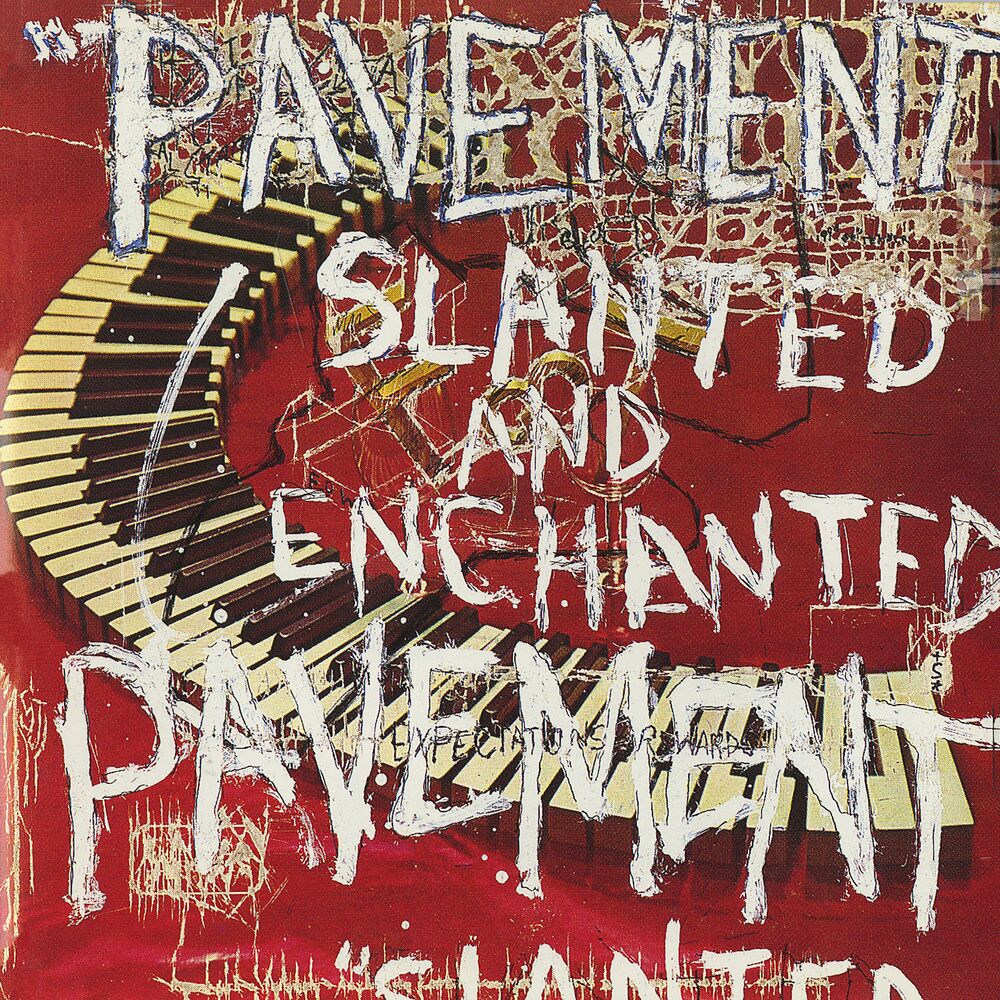
Slanted and Enchanted
Pavement
Share the same 90s alternative rock sensibility with catchy melodies wrapped in lo-fi production and introspective lyrics.
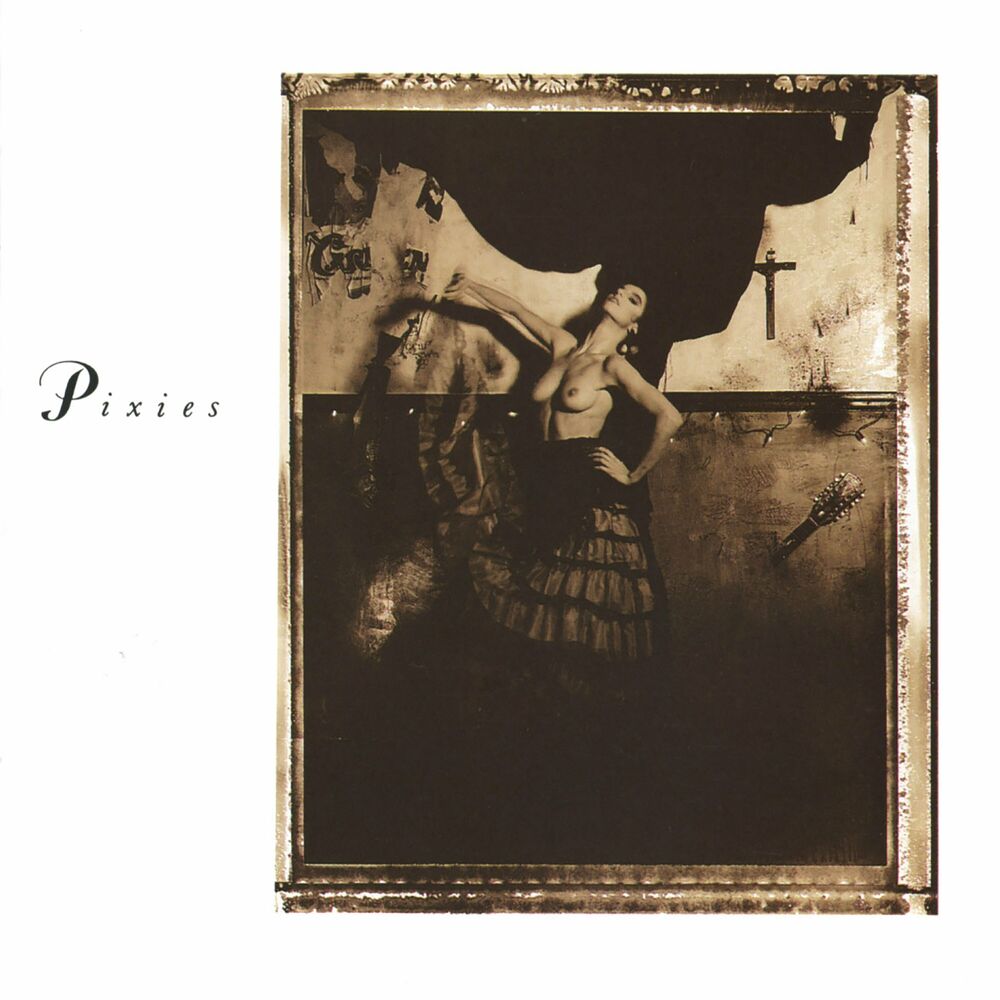
Surfer Rosa
Pixies
Pioneering alternative rock with dynamic quiet-loud song structures and angular guitar work that influenced Weezer's approach.

In the Aeroplane Over the Sea
Neutral Milk Hotel
Lo-fi indie rock with earnest emotional vulnerability and unconventional song structures that appeal to Blue Album fans seeking deeper experimentation.
Own this record? Track it in your collection.