#272 of 500
· Rolling Stone
“White Light/White Heat by The Velvet Underground (1968) sits at #272 and earns every bit of it. This is the part of the list where the real crate-digging starts. The original pressing is built for vinyl playback — the kind of album that sounds better on wax.”
The Velvet Underground, formed in 1964 in New York City by Lou Reed, John Cale, Sterling Morrison, and Maureen Tucker, became one of the most influential avant-garde rock bands despite minimal commercial success during their initial run. Led by Reed's songwriting and Cale's innovative production techniques, the band released four studio albums between 1967 and 1970 before disbanding. Their 1967 debut, produced by Andy Warhol, introduced their controversial blend of experimental rock, featuring feedback, dissonant strings, and lyrics addressing taboo subjects. Subsequent albums refined their sound while maintaining artistic integrity, with 1969's 'The Velvet Underground' (the third album) showcasing a more accessible, guitar-driven approach. Though they broke up in 1970, various reunions and live performances occurred, particularly in the 1990s.
Style
The Velvet Underground pioneered experimental rock and art rock, characterized by distorted guitars, unconventional song structures, droning viola, and Lou Reed's deadpan vocal delivery. Their sound merged avant-garde classical elements with rock, creating a sophisticated yet raw aesthetic that rejected mainstream pop conventions.
Significance
The Velvet Underground's influence on subsequent rock, punk, and alternative music is immeasurable, making their original vinyl releases—particularly the first album with Warhol's iconic banana cover—essential collectibles. For vinyl enthusiasts, their records represent a crucial bridge between classical avant-garde and rock music, with their original pressings highly sought after for both historical importance and sound quality.
White Light/White Heat, recorded in 1967, marked The Velvet Underground's second album and their first without Brian Eno's production input (he had only worked with them in mixing sessions). The album was produced by the band themselves with engineer Val Valentin, capturing their raw, unpolished sound in stark contrast to their debut. Lou Reed's songwriting had evolved considerably, incorporating more experimental noise elements and provocative lyrical themes. The notorious 17-minute track 'Sister Ray' exemplified the band's approach—a wall of distorted guitar, organ, and vocals that challenged conventional song structure. Despite their avant-garde tendencies, the album's sonic aggression and Reed's unflinching subject matter created one of rock's most challenging and influential statements, recorded quickly and economically at a New York studio.
Historical Context
Released in March 1968, White Light/White Heat arrived during a pivotal moment when psychedelic rock dominated radio, yet The Velvet Underground defiantly moved in the opposite direction toward noise and transgression. The album received mixed critical reception initially, with mainstream audiences largely rejecting it, though the underground music press recognized its radical importance. It would later be acknowledged as profoundly influential on punk, no-wave, and experimental rock, though its commercial impact was minimal at release. The album's unflinching treatment of taboo subjects also contributed to limited radio play and cultural resistance.
Pressing Notes
The original 1968 pressing on MGM/Verve featured the album's characteristic dense, distorted mix that some consider definitive, though vinyl pressings vary considerably in quality. Early pressings tend to have warm characteristics but surface noise issues are common. The 1986 remaster and various CD releases altered the mixing significantly. Collectors should seek out original first pressings, though they're expensive and condition-dependent. The 1995 Polydor remaster on vinyl is considered a solid middle ground for those seeking better sound quality than originals without extreme cost. All pressings capture the album's intentionally rough production, which is integral to its artistic statement.
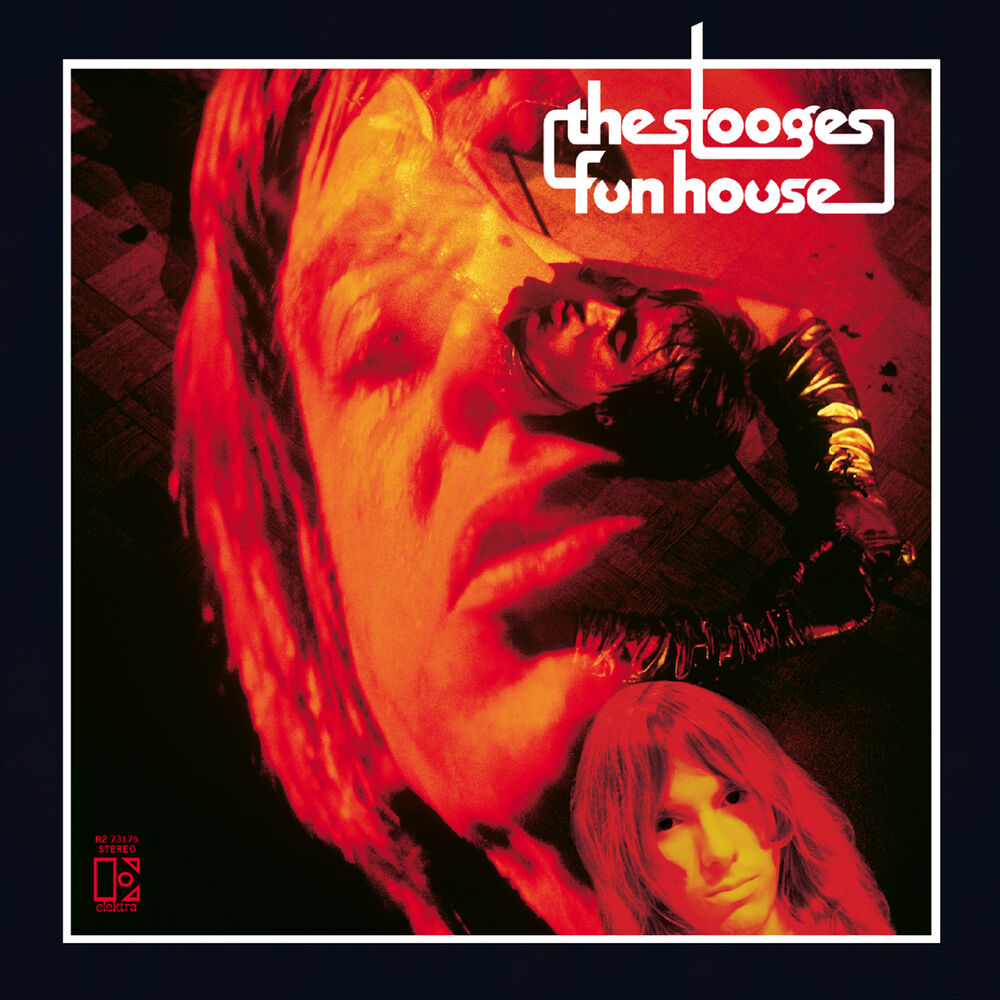
Fun House
The Stooges
Raw, abrasive rock with experimental song structures and intense guitar work that shares the unflinching aesthetic of White Light/White Heat.

Transformer
Lou Reed
A solo exploration by the VU's frontman featuring sophisticated arrangements while maintaining the provocative lyrical content and artistic boldness of his earlier work.

Kick Out the Jams
MC5
Delivers similar high-energy, unpolished rock aggression with revolutionary spirit and distorted guitars that echo the garage-rock intensity of White Light/White Heat.
Own this record? Track it in your collection.