#232 of 500
· Rolling Stone
“This is the part of the list where the real crate-digging starts. John Coltrane's Giant Steps (1960) is jazz that transcends its genre tag. The original pressing is the one to find — the kind of record that stops you mid-flip at the store.”
John Coltrane (1926-1967) was an American jazz saxophonist and composer who revolutionized modern jazz through his innovative harmonic concepts and spiritual intensity. Rising to prominence in the 1950s as a member of Miles Davis's first great quintet, Coltrane established himself as a bandleader with his seminal albums 'Giant Steps' (1960) and 'A Love Supreme' (1964), the latter becoming one of the best-selling jazz albums of all time. His later work, particularly the experimental 'Ascension' (1966) and 'Expression' (1967), pushed jazz into avant-garde territory with sheets of sound and modal explorations. Coltrane's career spanned a remarkable evolution from bebop and hard bop to free jazz, influencing virtually every saxophonist who followed.
Style
Coltrane pioneered the 'sheets of sound' technique—rapid, overlapping arpeggios creating a dense, nearly orchestral effect on the saxophone. His style encompassed hard bop, modal jazz, and free jazz, characterized by spiritual intensity, harmonic complexity, and technically virtuosic performances.
Significance
Coltrane is considered one of the most important jazz musicians ever, with his albums forming the foundation of any serious jazz vinyl collection. 'A Love Supreme' and 'Giant Steps' remain essential and highly sought-after records, while his spiritual and experimental work continues to inspire collectors exploring jazz's artistic boundaries.
Giant Steps, recorded in 1959 and released in 1960, represents John Coltrane's audacious leap into harmonic complexity and technical virtuosity. Coltrane composed most of the album's material, including the title track, which features rapidly shifting chord changes that would become legendary for their difficulty. The sessions were completed in just two days at Atlantic Records' New York studios, with a stellar rhythm section including pianist Tommy Flanagan, bassist Paul Chambers, and drummer Art Taylor. Coltrane's relentless practice regimen and innovative approach to improvisation over complex changes—what he called "sheets of sound"—pushed the boundaries of what was possible on the tenor saxophone. The album marked his artistic independence and established him as a major composer and bandleader.
Historical Context
Giant Steps arrived during a pivotal moment in jazz, as the music was fragmenting into competing modernisms. Hard bop was dominant, but modal jazz was emerging as an alternative. The album's uncompromising harmonic sophistication was both celebrated and debated—some hailed it as a masterpiece of innovation, while traditionalists found it bewildering. The record became essential listening for aspiring jazz musicians and established Coltrane as a leader of the avant-garde. It sold respectably for jazz at the time and has since become one of the most influential and studied jazz albums ever made.
Pressing Notes
The original 1960 Atlantic pressing (SD 1311) is highly sought by collectors, particularly early mono and stereo versions. The mono version, pressed in limited quantities, commands premium prices. Collectors should note that different pressings have varying sound quality—early pressings with deep groove vinyl from Atlantic's New York plant are particularly valued. The album has been reissued numerous times on both vinyl and CD, with 2015 seeing a high-quality audiophile remaster. Modern reissues are readily available and sonically excellent, making them ideal entry points for new collectors, while original pressings remain investments for serious enthusiasts.
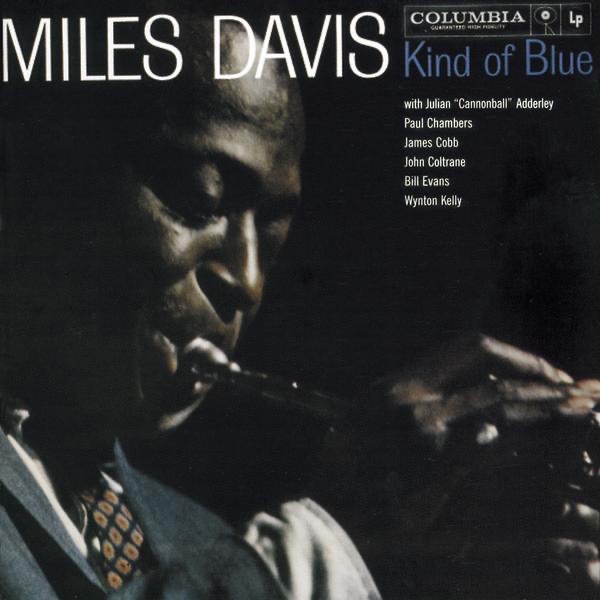
Kind of Blue
Miles Davis
Pioneering modal jazz album that shares Coltrane's exploration of harmonic sophistication and features similar post-bebop sensibilities with warm, immersive sound ideal for vinyl.

Saxophone Colossus
Sonny Rollins
Contemporary tenor saxophone work with comparable technical mastery and improvisational prowess, offering the warm analog sound quality that collectors seek in vintage jazz vinyl.

A Love Supreme
John Coltrane
Coltrane's spiritual and meditative masterwork demonstrates his artistic evolution post-Giant Steps with equally profound improvisational content and exceptional vinyl sonics.
Own this record? Track it in your collection.