#223 of 500
· Rolling Stone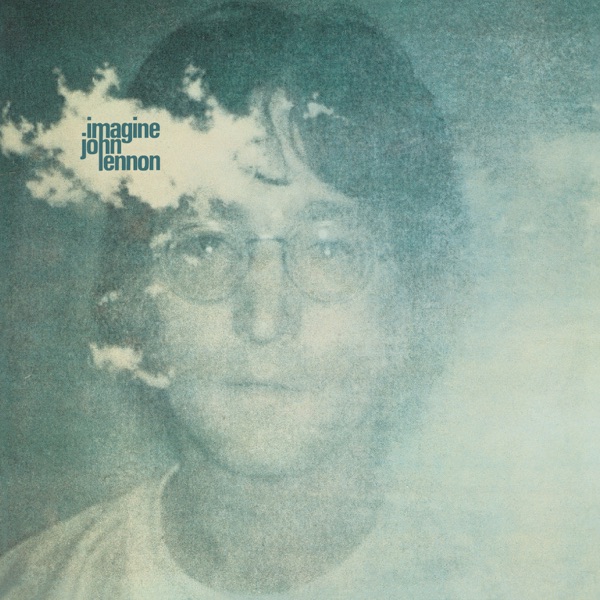
“John Lennon at #223 with Imagine (1971). This is the part of the list where the real crate-digging starts. This is rock that doesn't just hold up — it still sounds essential. The original pressing belongs in any serious collection.”
John Lennon (1940-1980) was a founding member of The Beatles, one of the most influential bands in music history. Born in Liverpool, England, Lennon co-wrote and performed on the group's revolutionary albums from 1963-1970, including "Rubber Soul," "Revolver," and "The White Album." After The Beatles disbanded in 1970, Lennon launched a prolific solo career marked by artistic experimentation and political activism. His solo albums, including "Plastic Ono Band" (1970) and "Imagine" (1971), showcased his introspective songwriting and avant-garde production techniques. Lennon remained creatively active throughout the 1970s, collaborating with producer Phil Spector and his wife Yoko Ono, before his tragic assassination in December 1980.
Style
Lennon's work spans rock, pop, experimental, and avant-garde territories. His songwriting evolved from early rock and roll through psychedelic innovation with The Beatles to introspective singer-songwriter material and experimental electronic composition as a solo artist.
Significance
Lennon is essential to any serious vinyl collection, representing a pivotal figure in rock music's artistic and commercial development. His Beatles albums remain among the most collectible records ever pressed, while his solo work—particularly "Imagine"—remains a cornerstone album for collectors and a touchstone for popular music.
Recorded primarily at the Record Plant in New York during 1971, 'Imagine' was John Lennon's second solo album and represented his most commercially accessible and artistically cohesive work post-Beatles. Lennon worked closely with producer Phil Spector, whose lush orchestral arrangements gave songs like the title track a sweeping, cinematic quality. The album was largely self-written and drew inspiration from Lennon's personal philosophy, his relationship with Yoko Ono, and his pacifist ideals. Notable collaborators included Lennon's wife Yoko on several tracks, session musicians like drummer Alan White and bassist Klaus Voormann, and guest appearances that rounded out the intimate yet orchestral sound. The creative process was relatively focused compared to some of his experimental work, with Lennon concentrating on straightforward songwriting that prioritized melody and message.
Historical Context
Released in September 1971, 'Imagine' arrived during a period of significant social upheaval—the Vietnam War was winding down but remained controversial, and the counterculture movement was evolving into mainstream consciousness. The album's title track became an anthem for peace movements worldwide, with its utopian lyrics resonating across generational and political lines. Commercially, the album was enormously successful, reaching #1 in multiple countries and eventually becoming one of the best-selling albums of all time. Critics praised its accessibility and emotional depth, though some dismissed its idealism as naive. The album established Lennon as a formidable solo artist independent of The Beatles, selling millions of copies and achieving cultural significance that extended far beyond the music world.
Pressing Notes
The original 1971 Apple Records pressing (Apple SW-3379 in North America) is highly sought by collectors, with early stereo copies particularly valued. Variations exist in matrix numbers and label designs—early pressings featured the distinctive Apple label design, while later pressings saw label modifications. The album has been reissued numerous times across different formats and countries, including 180-gram audiophile pressings and remastered editions. Japanese pressings are known for superior pressing quality and are popular with collectors. Later reissues, particularly the 2010 remaster by George Marino, offer improved sound but some prefer the warmer character of original pressings. Mono versions exist and are relatively scarce. Condition heavily affects value, with near-mint original copies commanding premium prices.

All Things Must Pass
George Harrison
A deeply personal solo album with lush arrangements and philosophical themes that echo the contemplative nature of Imagine.
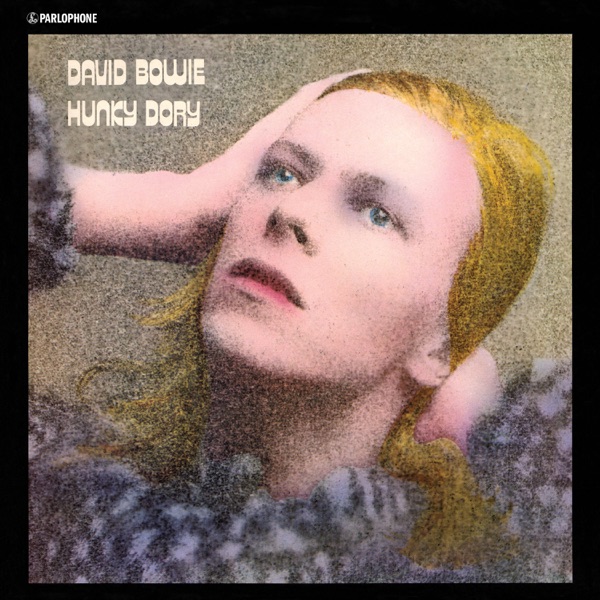
Hunky Dory
David Bowie
Features stripped-down piano-driven songs with poetic lyrics and experimental arrangements that share Imagine's intimate yet innovative spirit.

Goodbye Yellow Brick Road
Elton John
A concept album blending piano-based rock with introspective songwriting and social commentary reminiscent of Lennon's lyrical approach.

Harvest
Neil Young
An acoustic-focused album combining folk sensibilities with rock instrumentation and earnest emotional vulnerability similar to Imagine's tone.
Own this record? Track it in your collection.