#161 of 500
· Rolling Stone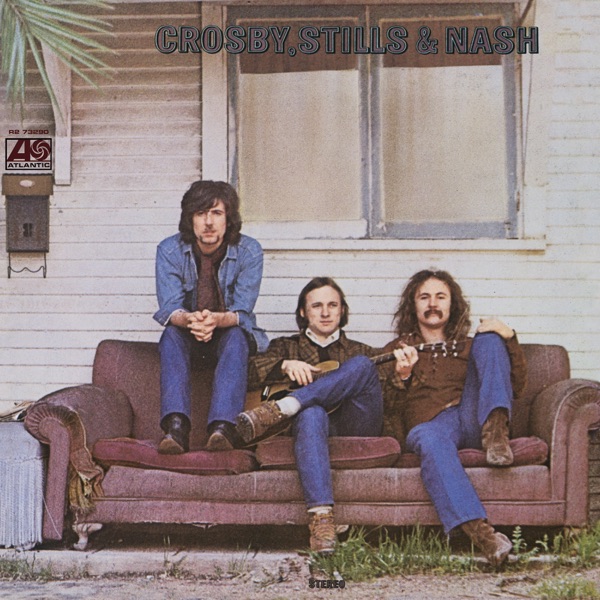
“There's a case that Stills & Nash, Crosby, Stills & Nash deserves to be higher, but #161 is solid company. Crosby's work here (1969) is the kind of thing that makes you play both sides twice. The original pressing is the way in.”
Crosby could refer to several artists, but most notably Bing Crosby (1903-1977), one of the most influential entertainers of the 20th century. A pioneering crooner, Bing revolutionized popular music in the 1930s-1950s with his smooth baritone and innovative microphone technique, which allowed for a more intimate vocal style. He recorded prolifically across multiple decades, achieving massive success in both recordings and film. His catalog includes jazz standards, popular songs, and holiday classics, with iconic albums like 'Bing: A Musical Autobiography' and numerous collaborations with orchestras and jazz musicians. Bing's influence extended across all formats, and his vinyl records remain among the most collected in popular music history.
Style
Bing Crosby's style bridged jazz, pop, and standards, characterized by his relaxed, conversational baritone delivery and impeccable phrasing. His approach emphasized emotional restraint and sophisticated arrangements, setting the template for the modern popular singer.
Significance
Bing Crosby is essential to vinyl collectors, having been a best-selling recording artist throughout the LP era. His extensive discography offers diverse entry points for collectors, from reissues of original 78s to acclaimed orchestral recordings and jazz sessions, making him foundational to understanding vocal music on vinyl.
Crosby, Stills & Nash's self-titled debut in 1969 emerged from an unlikely collaboration between three accomplished singer-songwriters from different musical backgrounds. David Crosby (The Byrds), Stephen Stills (Buffalo Springfield), and Graham Nash (The Hollies) came together in Los Angeles with producer Bill Halverson. The album was recorded across several months with minimal session musicians, emphasizing the group's vocal harmonies and acoustic arrangements. Key tracks like 'Suite: Judy Blue Eyes' and 'Marrakesh Express' showcased Stills' intricate guitar work and the trio's innovative three-part harmonies. The chemistry between the three was immediate despite their diverse influences, creating an album that balanced folk sensibilities with rock sophistication.
Historical Context
Released in May 1969, the album arrived during a pivotal moment in rock music when psychedelic experimentation was giving way to more introspective, harmony-driven songwriting. The record became a critical and commercial success, reaching #6 on the Billboard charts and earning a Grammy nomination. It helped define the emerging soft rock and folk-rock genres while capturing the era's idealistic spirit. The album's success positioned the trio for the formation of Crosby, Stills, Nash & Young later that year, one of the most influential supergroups of the 1970s.
Pressing Notes
The original Atlantic Records pressing (SD 8229) is highly sought after by collectors. Early pressings featured the 'Hot stamper' quality associated with Atlantic's first pressings. The album has been reissued numerous times across formats. Early stereo copies are preferred over mono. Original gatefold editions with the iconic cover photograph command premium prices. Collectors should note that pressings vary in fidelity; first pressings from 1969 are generally considered superior in sound quality to later reissues.
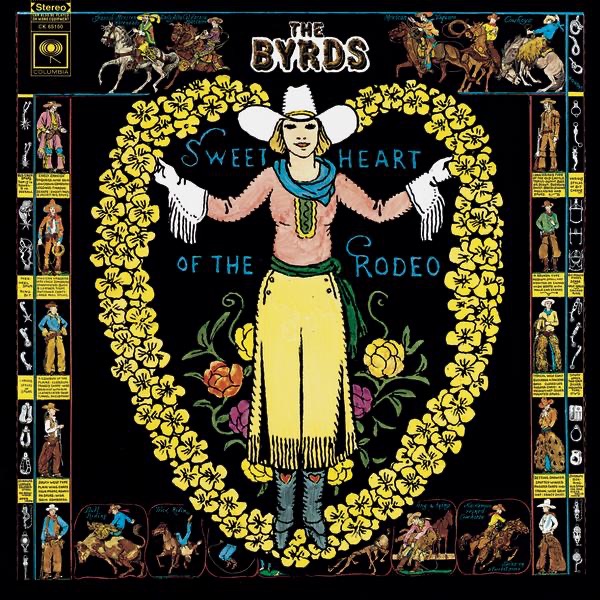
Sweetheart of the Rodeo
The Byrds
Features similar folk-rock harmonies and country-rock fusion that influenced Crosby, Stills & Nash's acoustic arrangements.

Blue
Joni Mitchell
Showcases intimate acoustic songwriting and sophisticated harmonies that complement the introspective nature of CSN's material.

Harvest
Neil Young
Delivers the warm, acoustic-driven rock sound with strong melodic vocals that resonates with CSN's folk-rock foundation.
Own this record? Track it in your collection.