#7 of 25
· Cratewise Editorial
“Recorded live at the Village Vanguard, you can hear glasses clinking and conversation. Ten days later, Scott LaFaro was dead in a car accident. The most bittersweet jazz record ever made.”
Bill Evans (1929-1980) was an American jazz pianist whose harmonic innovations and introspective approach fundamentally influenced modern jazz piano. He led the Bill Evans Trio throughout the 1960s and 1970s, recording extensively for Riverside and Verve Records. Evans' career began with his work on Miles Davis' seminal 'Kind of Blue' (1959), where his comping and solo work established him as a major force. His trio recordings, particularly with bassist Scott LaFaro and drummer Paul Motian in the early 1960s, showcased unprecedented interplay and telepathic communication among bandmates. Following LaFaro's tragic death in 1961, Evans continued leading various trio configurations, exploring deeper musical complexities and emotional depth in each iteration.
Style
Bill Evans was a modal and post-bop pianist known for sophisticated harmonic voicings, lyrical phrasing, and introspective interpretations of standards and originals. His playing combined classical training with jazz flexibility, creating a delicate, orchestral sound that emphasized harmonic color over flashy technique.
Significance
Evans' numerous trio albums are cornerstone recordings for jazz vinyl collectors, with 'Sunday at the Village Vanguard' and 'Waltz for Debby' considered essential documents of jazz piano. His influence on harmonic conception and small group dynamics made him one of jazz's most collected and revered pianists.
"Waltz for Debby" was recorded during two separate sessions at the Village Vanguard jazz club in New York in June 1961. Bill Evans, bassist Scott LaFaro, and drummer Paul Motian captured the intimate energy of live performance in the club's legendary basement room. The title track, a delicate waltz composed by Evans, was named after his niece. The album showcases Evans' lyrical piano style and his revolutionary approach to trio interplay, where the bass and drums engage in genuine conversation rather than simply supporting the piano. The sessions were so fruitful that material was later compiled into multiple albums, with different takes and alternate versions creating a rich legacy of this legendary trio's work together.
Historical Context
Released in 1962, "Waltz for Debby" emerged during a pivotal moment in modern jazz when the genre was moving toward greater harmonic and rhythmic sophistication. Bill Evans was establishing himself as one of jazz's most cerebral pianists, moving beyond bebop conventions toward modal and impressionistic approaches. The album received critical acclaim and became one of Evans' most celebrated recordings. Tragically, Scott LaFaro died in a car accident just weeks after these sessions, making this one of the trio's only recorded documents and lending the music a poignant historical significance.
Pressing Notes
The original Riverside Records release came in both mono and stereo formats. Early pressings are highly sought after by collectors, with original stereo editions commanding premium prices. The album has been reissued multiple times, including audiophile editions and 45 RPM reissues that offer superior sound quality. Collectors should note that different pressings contain different takes and alternate versions—the Riverside original differs from later compilations and remasters. The Music Matters 45 RPM edition is particularly prized for its fidelity. All pressings capture Evans' delicate touch and the exceptional musicianship of this brief but transformative trio.
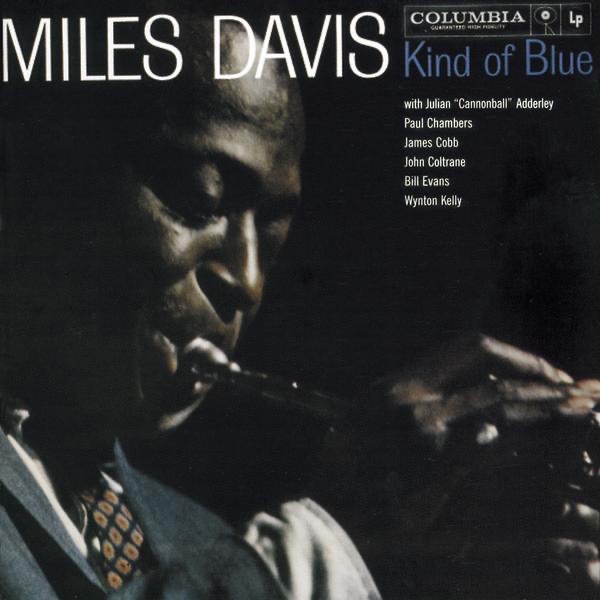
Kind of Blue
Miles Davis
A modal jazz masterpiece with similarly introspective piano work and intimate trio/ensemble dynamics that shares Evans' lyrical sensibility.

Chet Baker Sings
Chet Baker
Features similar harmonic sophistication and emotional restraint with subtle accompaniment that complements Evans' lyrical jazz sensibilities.
Also Appears On
Sounds Better on Wax
“Live at the Village Vanguard. On vinyl, you hear the room — glasses clinking, murmured conversation, the sense of being *there*. Digital cleans it up. Vinyl keeps it alive.”
The Sunday Morning 25
“Live at the Village Vanguard. The clinking glasses, the murmured audience — it sounds like you're in the room. Sunday morning jazz doesn't get better.”
Own this record? Track it in your collection.