#3 of 25
· Cratewise Editorial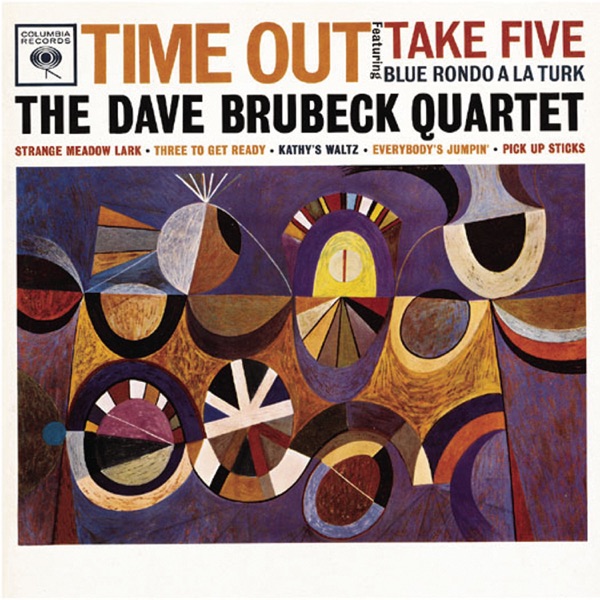
“'Take Five' put jazz on AM radio. The whole album experiments with odd time signatures and makes it sound effortless. Paul Desmond's alto is pure silk.”
Dave Brubeck (1920-2012) was an American jazz pianist who led the Dave Brubeck Quartet, one of the most commercially successful jazz ensembles of the 1950s and 1960s. The quartet, featuring saxophonist Paul Desmond, bassist Eugene Wright, and drummer Joe Morello, pioneered the use of complex time signatures in jazz, most famously on their 1959 album 'Time Out,' which became the first jazz album to sell over one million copies. Brubeck's classical training and compositional approach brought jazz to mainstream audiences, and the quartet's sophisticated yet accessible sound helped define the West Coast jazz movement. Beyond the quartet, Brubeck remained active as a composer and performer throughout his life, exploring orchestral works and continuing to record until his final years.
Style
The Dave Brubeck Quartet blended cool jazz with elements of classical music, characterized by intricate polyrhythms, unconventional time signatures (particularly 5/4 and 9/8), and Desmond's lyrical, warm alto saxophone tone over Brubeck's thoughtful piano playing. Their sound was cerebral yet swinging, emphasizing compositional sophistication without sacrificing accessibility.
Significance
The Dave Brubeck Quartet's 'Time Out' is among the most sought-after and collectible jazz vinyl records, representing a watershed moment when jazz achieved mainstream commercial success. For collectors, their discography represents essential West Coast jazz and demonstrates the artistic and commercial possibilities of intelligent, ambitious jazz during the 1950s-60s.
Time Out, released in 1959, emerged from Dave Brubeck's desire to explore complex time signatures beyond the standard 4/4 beat. Recorded over several sessions at Columbia's 30th Street Studio in New York, the album featured Brubeck's classic quartet: Paul Desmond on alto saxophone, Eugene Wright on bass, and Joe Morello on drums. The breakthrough came with "Take Five," composed by Desmond in 5/4 time, which became the album's centerpiece. Despite initial concerns that the unusual meters would alienate listeners, the album's sophisticated yet accessible approach to jazz modernism resonated widely. The recording sessions were relatively relaxed, with the quartet having already developed strong chemistry through years of touring.
Historical Context
Time Out arrived during a pivotal moment in jazz when the music was fragmenting into competing modernist movements—cool jazz, hard bop, and free jazz were all gaining traction. Brubeck's accessible approach to polyrhythmic complexity offered a middle path that appealed to both jazz purists and mainstream audiences. The album became a commercial phenomenon, spending an unprecedented 185 weeks on the Billboard charts and becoming the first jazz album to sell over one million copies. It introduced mainstream America to jazz experimentation and demonstrated that avant-garde concepts could achieve popular success without compromise.
Pressing Notes
The original 1959 Columbia pressing (CL 1193 mono / CS 8192 stereo) is highly sought by collectors, with the stereo version particularly valued for its superior sound clarity. Early pressings feature the iconic cover design with the abstract clock motif. The album has been reissued numerous times, including 180-gram audiophile pressings and SACD formats. Original first pressings in near-mint condition command premium prices. Collectors should note that while later reissues sound excellent, early Columbia pressings offer authentic vintage character and are considered definitive by many enthusiasts.
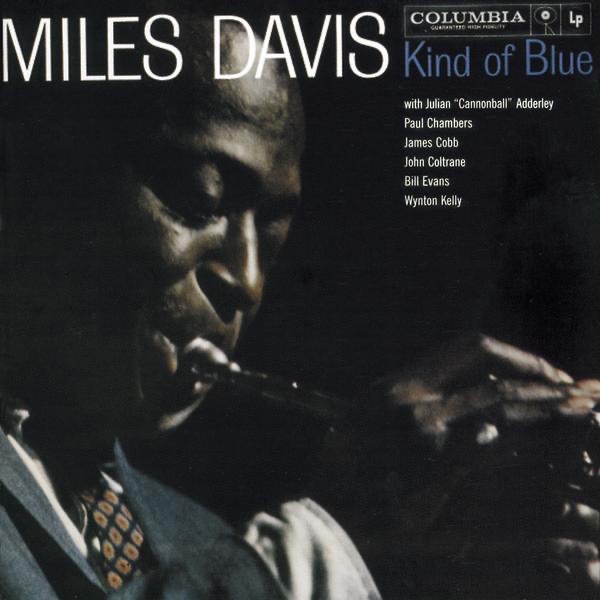
Kind of Blue
Miles Davis
A similarly accessible yet sophisticated modal jazz landmark that pairs perfectly with Time Out's innovative approach to jazz composition.

Brilliant Corners
Thelonious Monk
Shares Time Out's experimental compositional spirit and quirky melodic sensibility while maintaining the intellectual rigor that defines 1950s cool jazz.

A Love Supreme
John Coltrane
Offers a spiritual depth and exploratory instrumental virtuosity that appeals to collectors drawn to jazz music's more meditative and ambitious dimensions.
Own this record? Track it in your collection.