#94 of 100
· Cratewise Editorial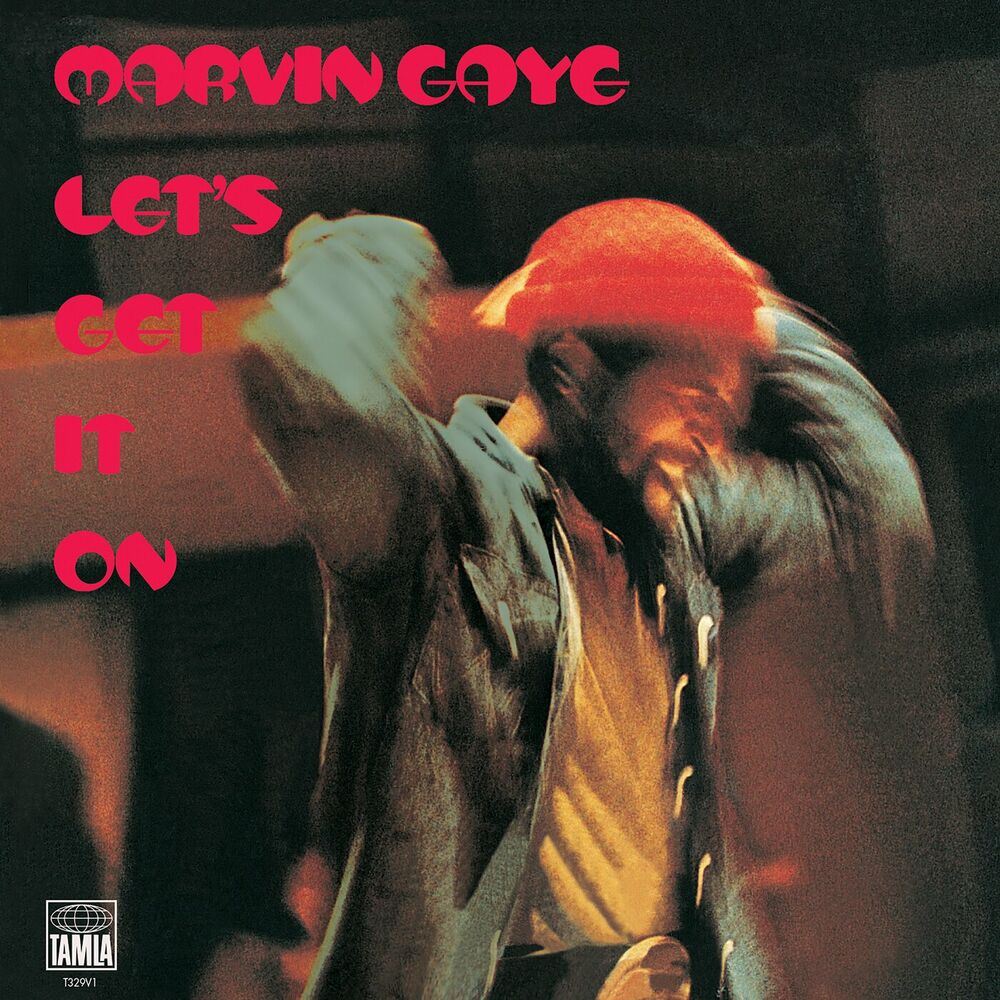
“This one lands here because it's the ultimate slow-burn masterpiece that rewards patient listening on wax. "Let's Get It On" is pure seduction from the needle drop, with Marvin's voice and those lush orchestral arrangements demanding your full attention—not background music. The early pressings on Tamla have a warmth that captures the intimacy of those sessions with Ed Townsend perfectly. It's essential listening, just not quite reaching the revolutionary heights of his earlier work, but damn near perfect for late-night spins.”
Marvin Gaye (1939-1984) was a legendary Motown artist who became one of soul music's greatest innovators. Rising to prominence in the 1960s as a vocalist and session drummer, Gaye achieved his first major success with duets like "Ain't No Mountain High Enough" with Tammi Terrell. His artistic ambitions led to creative tensions with Motown that ultimately yielded groundbreaking work. "What's Going On" (1971) and "Let's Get It On" (1973) established him as a visionary artist willing to push boundaries. These albums showcased his evolution from pop-soul entertainer to socially conscious artist and lover's man, blending sophisticated arrangements with deeply personal material.
Style
Marvin Gaye's style evolved from Motown pop-soul to sophisticated, jazz-influenced soul and funk. His rich baritone and emotional depth defined his sound, characterized by lush orchestral arrangements, thoughtful lyrics, and innovative production techniques.
Significance
Marvin Gaye's influence on soul and R&B cannot be overstated; his albums are cornerstone recordings for vinyl collectors. "What's Going On" particularly revolutionized the concept album format and established the artist as a serious creative force beyond commercial pop, making his vinyl releases essential listening and highly sought-after in the collector community.
Let's Get It On, released in August 1973, marked Marvin Gaye's triumphant return to Motown after a period of creative tension with the label. Recorded primarily at the Golden State Recorders in Los Angeles, the album showcased Gaye's mature artistry and his desire to explore sensuality and romance in the post-Sexual Healing era. The title track, written by Ed Townsend and Marvin Gaye, became the album's centerpiece—a languid, groove-oriented soul ballad that emphasized atmosphere over traditional song structure. Producer Ed Townsend and Gaye collaborated closely throughout the sessions, building arrangements around live instrumentation and Gaye's breathy, intimate vocal delivery. The album reflected Gaye's insistence on creative control, a hard-won compromise after his landmark What's Going On album had transformed Motown's approach to artist autonomy.
Historical Context
In 1973, soul music was in transition. While the social consciousness of early '70s soul remained relevant, there was a commercial shift toward romantic, bedroom-oriented material. Let's Get It On arrived at a cultural moment when audiences craved escapism and sensuality after tumultuous years of social upheaval. The album was an immediate commercial success, reaching number one on the Billboard 200 and spawning multiple hit singles including the title track and 'Come Get to This.' Critics praised Gaye's sophisticated approach to adult themes, though some dismissed the album as lacking the political substance of What's Going On. It established the template for Gaye's mid-'70s output and influenced countless soul and R&B artists.
Pressing Notes
Original Motown pressings from 1973 (catalog M7-809S1) featured gatefold jackets with striking photography and the classic Motown label design. Early pressings, particularly those from Detroit pressing plants, are sought by collectors for superior sound quality. The album has been reissued multiple times on vinyl, including Mobile Fidelity Sound Lab audiophile editions known for meticulous mastering. Collectors should note that pressings vary in sound quality; original early pressings typically command higher prices. The album was also released in stereo and mono configurations, with mono versions being quite rare. Recent 180-gram reissues by Motown are widely available but lack the character of vintage originals.

Let's Stay Together
Al Green
Features the same smooth, sensual soul sound with lush orchestral arrangements and intimate vocal delivery that defines Marvin Gaye's classic period.

Songs in the Key of Life
Stevie Wonder
Showcases masterful soul musicianship with emotional depth, lush arrangements, and genre-blending production that aligns with Marvin Gaye's artistic ambition.
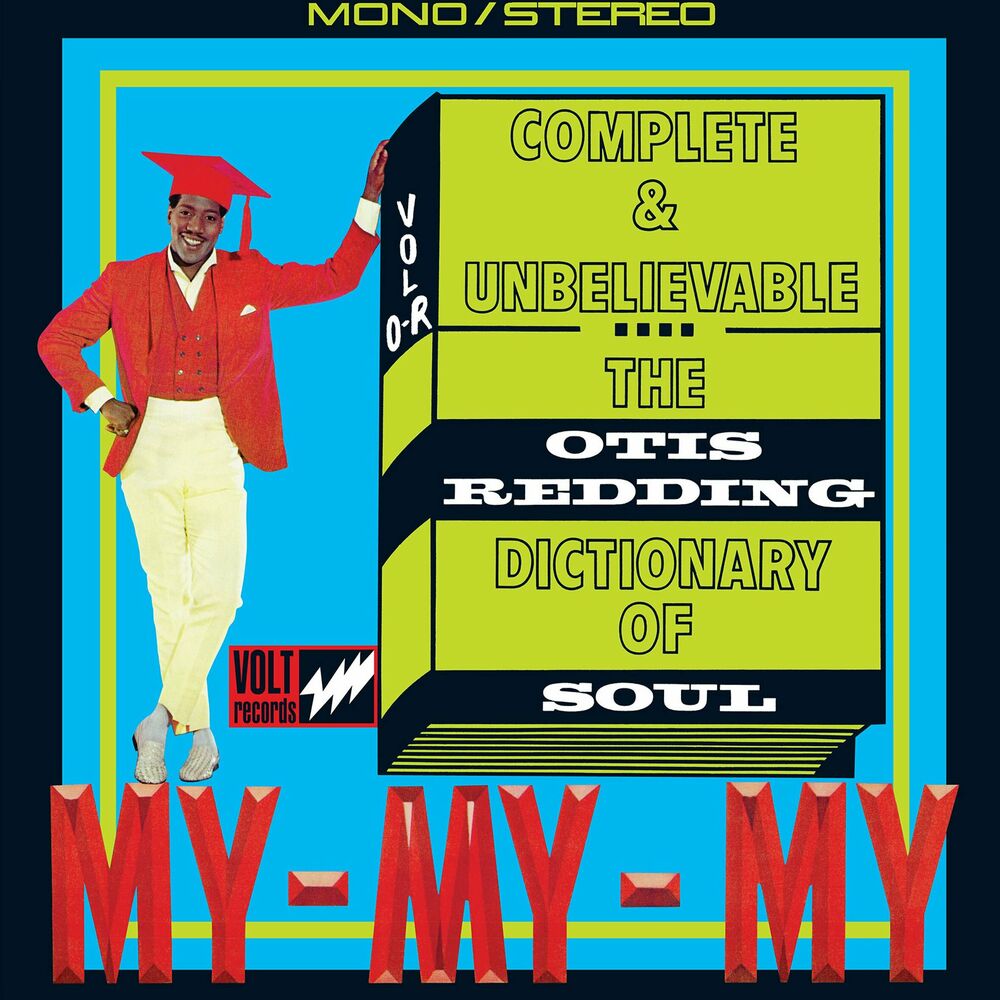
Dictionary of Soul
Otis Redding
Offers classic soul sensibility with powerful vocal performances and warm instrumentation that connects to the soulful foundation of Marvin Gaye's work.
Also Appears On
Own this record? Track it in your collection.