#93 of 100
· Cratewise Editorial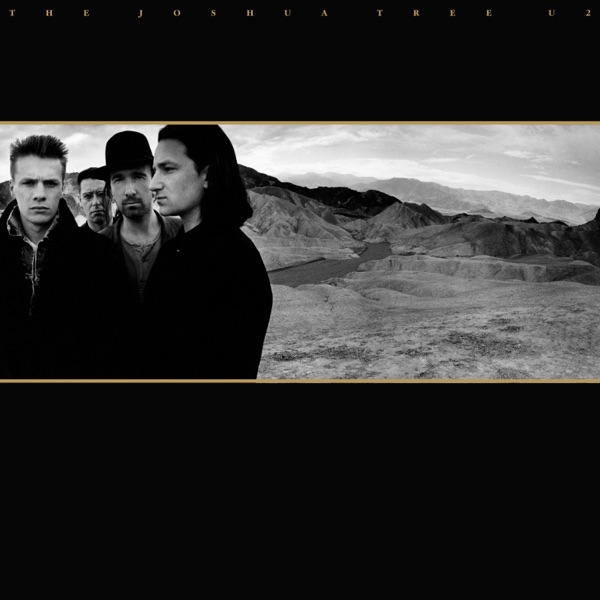
“The Joshua Tree lands here because it's the rare stadium rock album that actually deserves the hype—those opening seconds of "Where the Streets Have No Name" still hit like a needle drop into liquid gold. Bono's restraint and The Edge's crystalline guitar work over these eleven tracks prove you don't need studio wizardry to move millions; the 1987 Island pressing captures that desert clarity beautifully. It's essential listening, sure, but I rate it below their more experimental work because The Joshua Tree plays it safer than they were capable of. Still, twenty-five million copies sold can't all be wrong.”
U2, formed in Dublin in 1976, became one of the most commercially successful and critically acclaimed rock bands of the past four decades. The band—Bono (vocals), The Edge (guitar), Adam Clayton (bass), and Larry Mullen Jr. (drums)—achieved massive success with their 1983 album "War" and reached global superstardom with "The Joshua Tree" (1987), which became one of the best-selling albums of all time. Their musical evolution continued through the 1990s with experimental albums like "Achtung Baby" (1991) and "Zooropa" (1993), which incorporated electronic and industrial influences. Later works including "All That You Can't Leave Behind" (2000) and "How to Dismantle an Atomic Bomb" (2004) reestablished their dominance in the 2000s, earning multiple Grammy Awards and cementing their legacy as one of rock's most enduring acts.
Style
U2 is recognized for their atmospheric alternative rock sound, characterized by The Edge's distinctive, effects-laden guitar work and Bono's soaring vocal melodies. Their style evolved from post-punk influences in their early years to more expansive, stadium-rock arrangements, later incorporating electronic and experimental elements.
Significance
U2's impact on vinyl collecting is substantial due to their numerous landmark albums and distinctive cover art. "The Joshua Tree" and "Achtung Baby" remain highly sought-after records, with original pressings valued by collectors for their production quality, packaging design, and cultural significance in rock history.
The Joshua Tree, released in March 1987, marked U2's most ambitious and successful studio effort. Recorded primarily at Sun Studio in Memphis and various other locations, the album saw the band working with producer Daniel Lanois and co-producer Brian Eno, who shaped its atmospheric, expansive sound. The recording sessions were exploratory and sometimes challenging, with the band drawing inspiration from American roots music, gospel, and the American Southwest landscape. Key tracks like "With or Without You" and "I Still Haven't Found What I'm Looking For" emerged from extended studio improvisations, while the band's late-night creative sessions produced some of their most cohesive and emotionally resonant work to date.
Historical Context
The Joshua Tree arrived at a pivotal moment in 1980s rock, when U2 had already established themselves as stadium-ready artists with The Unforgettable Fire. The album became a cultural phenomenon, topping charts worldwide and spending 23 weeks at number one on the Billboard 200. It resonated with audiences through its spiritual questioning and anthemic melodies, released during an era of Cold War tensions and American cultural introspection. The album's success was amplified by iconic imagery—the Joshua Tree desert photography on the cover became synonymous with the band—and a massive world tour that redefined stadium rock concerts in scale and ambition.
Pressing Notes
The original 1987 Island Records pressing on 180-gram vinyl has become a collector's standard, though early pressings vary in quality and mastering. The album has been reissued multiple times, including deluxe reissues with expanded artwork and remastered audio. Most modern vinyl editions use the 2007 remaster. Collectors should note that original 1980s pressings can command premium prices, though reissues from the 2000s onward offer excellent sound quality at more accessible price points. The gatefold packaging is consistent across most legitimate editions, making the album a visually striking addition to any collection.
Also Appears On
Apple Music 100 Best Albums
“The Joshua Tree at number 49 feels right—it's the moment U2 stopped being a post-punk experiment and became stadium rock titans, yet it never feels cynical. Bono and the Edge's production work with Brian Eno and Daniel Lanois created this vast, echoing sound that actually holds up on wax; the spatial production benefits from a good pressing, especially the original Island release. "With or Without You" and "I Still Haven't Found What I'm Looking For" are undeniable needle drops, but the album's real strength sits in deeper cuts like "Red Hill Mining Town" and "Mothers of the Disappeared," which show genuine thematic weight beneath the soaring hooks. It's an album that earns its massive cultural footprint without sacrificing substance.”
Rolling Stone's 500 Greatest Albums of All Time
“The Joshua Tree by U2 (1987) sits at #135 and earns every bit of it. Deep enough in the list to separate casual fans from serious collectors. The Island pressing is built for vinyl playback — the kind of album that sounds better on wax.”
Own this record? Track it in your collection.