#91 of 100
· Cratewise Editorial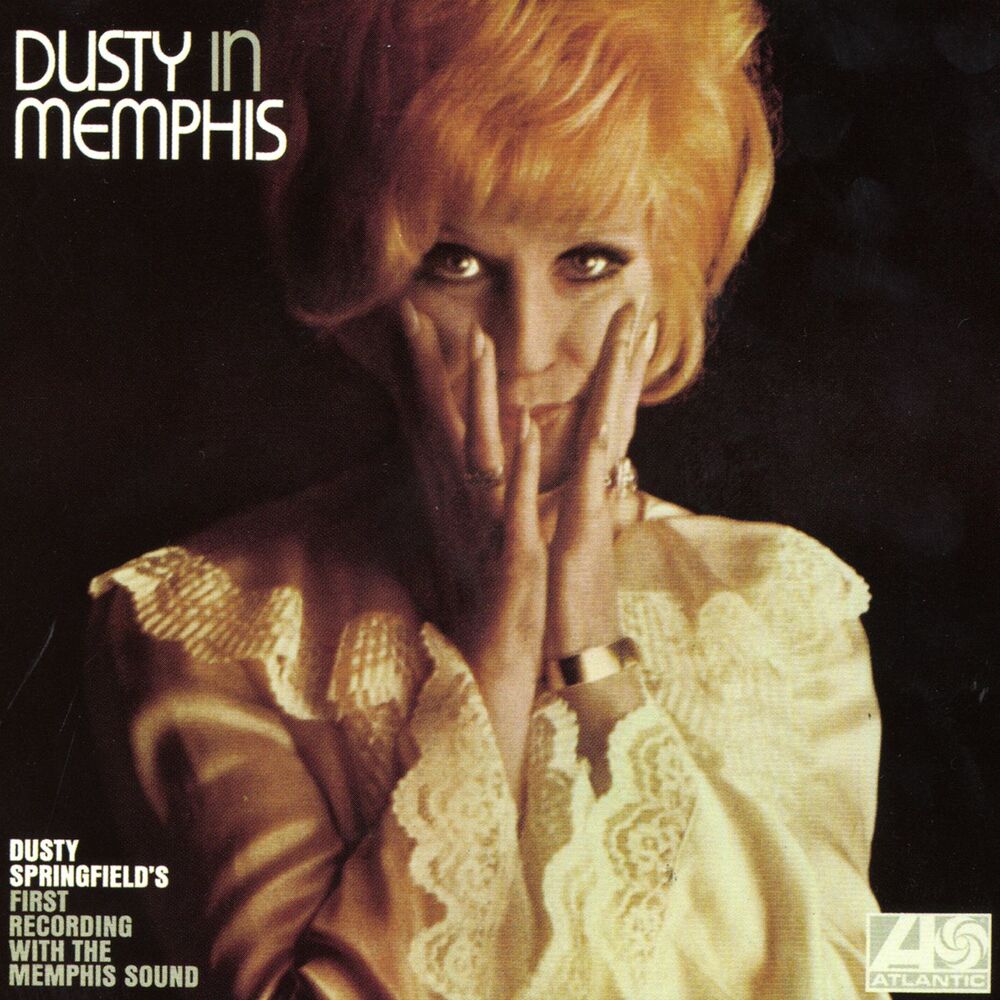
“Placed this masterpiece here because it deserves recognition as one of soul music's greatest achievements, even if it doesn't get the cultural mythology of higher-ranked classics. Dusty's voice—that trembling, almost broken delivery on "Son of a Preacher Man"—cuts through Jerry Wexler's immaculate Memphis production with devastating intimacy. The first press Atlantic jacket is gorgeous too, and these copies hold their value for good reason. This is essential wax for anyone serious about soul vocals and late-60s R&B sophistication.”
Dusty Springfield (1939-1999) was a British-American pop and soul singer who became one of the most distinctive vocal talents of the 1960s. Born Mary Isobel Catherine Bernadette O'Brien in London, she initially performed with her siblings in The Springfields before launching a hugely successful solo career. Her early hits like "I Only Want to Be with You" (1963) and "Son of a Preacher Man" (1968) showcased her rich contralto voice and sophisticated arrangements. In 1968, she recorded *Dusty in Memphis*, a landmark soul album that featured lush orchestration and became a critical favorite among collectors, though it initially received limited commercial success. Throughout the 1970s and 1980s, she continued recording and performing, experiencing a career renaissance with the Pet Shop Boys collaboration "What Have I Done to Deserve This?" (1987).
Style
Dusty Springfield blended pop, soul, and torch song traditions with impeccable phrasing and emotional depth. Her sophisticated arrangements, often featuring orchestral strings and horn sections, defined a distinctly upscale soul-pop sound that influenced generations of singers.
Significance
A pioneering white interpreter of soul music, Dusty Springfield is revered by vinyl collectors for her artistry and the quality of her recordings, particularly *Dusty in Memphis*, which has become a cornerstone of 1960s soul music collections. Her influence on both pop and soul music remains substantial and widely celebrated.
Dusty in Memphis, recorded in 1968 at American Sound Studios in Memphis, Tennessee, marked a dramatic reinvention for the British soul singer. Dusty Springfield collaborated with producer Chips Moman and the studio's house band, working with songwriters including Dan Penn and Spooner Oldham. The album showcased a rawer, more intimate vocal approach than her previous work, with Springfield delivering deeply personal interpretations of soul and pop standards. Key tracks like "Son of a Preacher Man" and "Just a Little Lovin'" revealed a vulnerability and sensuality that became her signature sound. Despite the album's artistic success, it was shelved for nearly two years before its 1969 release, during which time the master tapes were lost and had to be painstakingly reconstructed.
Historical Context
Released in February 1969, Dusty in Memphis arrived during a pivotal moment in soul music, following the commercial decline of the British Invasion and the rise of American soul. The album's sophisticated production and Dusty's interpretive depth aligned with the era's growing respect for soul as an art form. While it didn't achieve massive commercial success initially, the album was critically acclaimed and has since been recognized as one of the greatest soul albums ever made. "Son of a Preacher Man" became her signature song, reaching the UK Top 10 and introducing many listeners to her deeper artistic capabilities. The album helped establish Dusty as a serious soul interpreter rather than merely a pop vocalist.
Pressing Notes
The original 1969 Atlantic Records pressing is highly sought by collectors, particularly mono copies which are increasingly rare. Early stereo pressings from Atlantic (SD 8214) tend to have superior sound quality and are preferred among audiophiles. The album has been reissued multiple times, including by Rhino Records, with various remaster attempts over the decades. Collectors should seek original 1960s pressings for authentic warmth and character, though these command premium prices. Japanese pressings from the 1970s-80s are also respected for their quality control. Mobile Fidelity Sound Lab produced an SACD version that audiophiles praise, though purists prefer original vinyl.
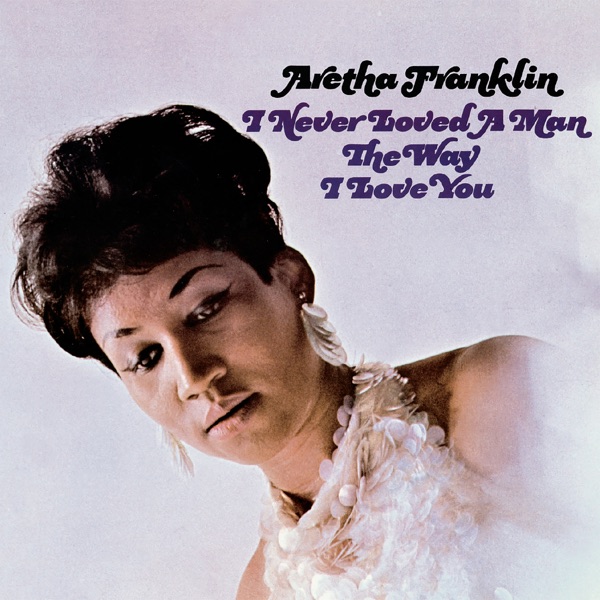
I Never Loved a Man the Way I Love You
Aretha Franklin
A seminal soul album with powerful vocals and lush orchestral arrangements that shares the emotional depth and sophistication of Dusty in Memphis.

First Take
Roberta Flack
Features intimate, soulful vocal performances with understated instrumentation that captures the same vulnerable elegance found in Dusty's masterpiece.
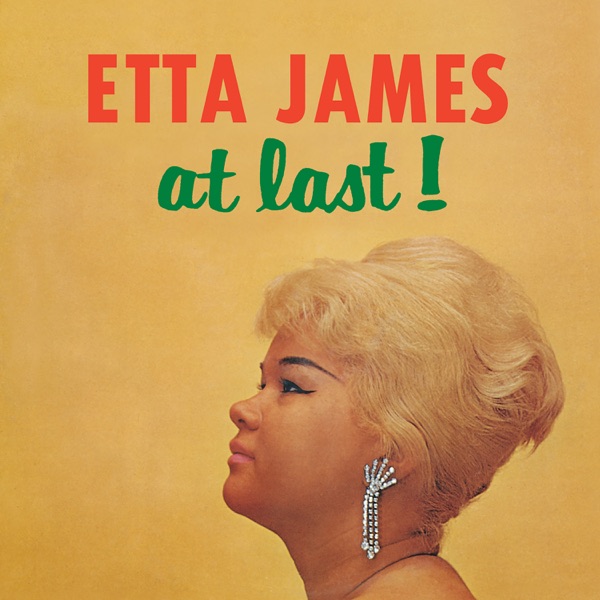
At Last!
Etta James
A classic soul album combining jazz influences with R&B sensibilities and dramatic string arrangements similar to the production style of Dusty in Memphis.
Also Appears On
Own this record? Track it in your collection.