#451 of 500
· Rolling Stone
“The back half of the RS500 is where the interesting debates live. Roberta Flack brought everything to First Take (1969) — the kind of record that reminds you why you started collecting vinyl in the first place. The original pressing does it justice.”
Roberta Flack is an American singer and pianist born in 1937 who became one of the most acclaimed soul and jazz artists of the 1970s. She studied music at Howard University and began her career as a classical pianist before transitioning to soul and jazz. Flack achieved massive commercial success with her 1969 album 'First Take,' featuring the hit single 'The First Time Ever I Saw Your Face,' which became a Grammy Award-winning standard. Her 1973 album 'Killing Me Softly' reached number one and spawned the iconic title track, earning her the Grammy Award for Record of the Year. Throughout the 1970s and 1980s, Flack collaborated with Donny Hathaway on several acclaimed duet albums, creating timeless recordings including 'Where Is the Love' and 'The Closer I Get to You.' Her smooth contralto voice, sophisticated arrangements, and emotional depth established her as a leading figure in soul and jazz music.
Style
Roberta Flack's style blends soul, jazz, and R&B with classical piano influences, characterized by her rich contralto voice, intimate vocal delivery, and tasteful musical arrangements. Her work emphasizes emotional depth and musicianship over production excess, making her a favorite among jazz and soul purists.
Significance
Roberta Flack is highly significant to vinyl collectors for her landmark albums of the 1970s, particularly 'First Take' and 'Killing Me Softly,' which are considered essential soul and jazz recordings. Her albums showcase exceptional sound quality and are prized for their warm analog character and sophisticated production.
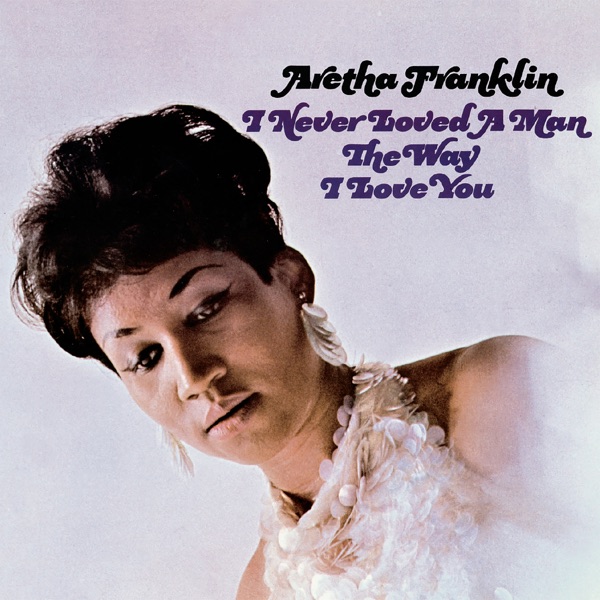
I Never Loved a Man the Way I Love You
Aretha Franklin
This album shares the same intimate vocal delivery and soulful arrangement style that defines Flack's work, with strong piano-driven compositions.

Wild Is the Wind
Nina Simone
Offers the same contemplative, jazz-inflected soul sound with piano as a central instrument and deeply expressive interpretations of standards and original compositions.
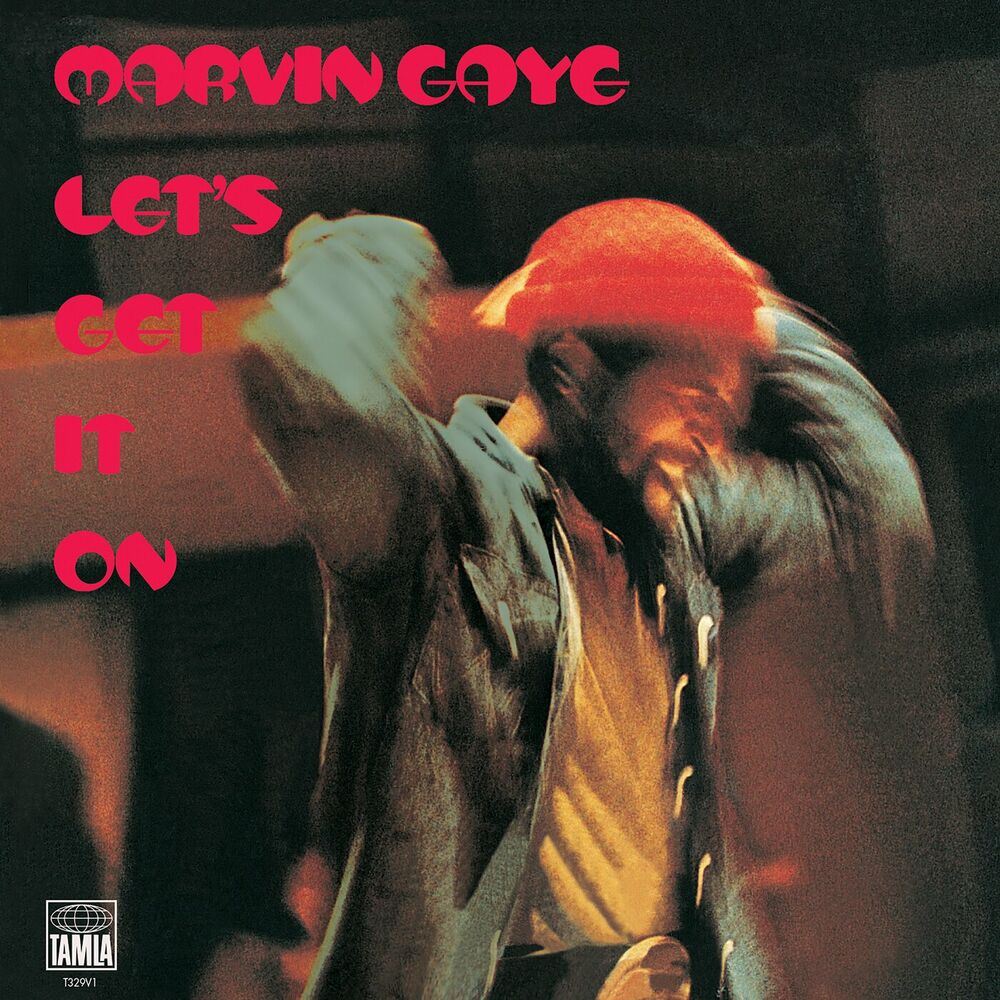
Let's Get It On
Marvin Gaye
Shares the sensual, smooth R&B aesthetic with minimalist arrangements and strong melodic focus, featuring similarly warm and close vocal production.
Own this record? Track it in your collection.