#88 of 100
· Cratewise Editorial
“Daydream Nation lands here because it's the bridge between art-rock ambition and genuine pop sensibility that Sonic Youth never quite nailed again. "Teen Age Riot" and "Candle" are needle drops that justify the hype, but what keeps this from climbing higher is how uneven the second half gets—"The Drawbar Boogie" overstays its welcome by about three minutes. The Enigma pressing sounds warm enough, and yeah, it's a landmark album that shaped everything from shoegaze to alt-rock, but I'm honoring the fully realized vision here, not the legend. Essential? Absolutely. Top 50 essential? Not quite.”
Sonic Youth emerged from New York's experimental music scene in the early 1980s, pioneering an influential blend of punk rock and avant-garde noise music. Led by Thurston Moore and Kim Gordon, the band released their landmark self-titled debut in 1985, followed by the critically acclaimed "EVOL" (1986) and "Sister" (1987), which established their signature style of altered tunings and feedback-driven guitar work. Throughout the 1990s and 2000s, they achieved mainstream recognition with albums like "Goo" (1990) and "Washing Machine" (1995), while maintaining their experimental edge. The band dissolved in 2011 after nearly three decades of influential output, leaving behind a legacy that bridged underground punk ethos with serious artistic innovation.
Style
Sonic Youth created a distinctive fusion of punk rock aggression and avant-garde noise experimentation, characterized by unconventional guitar tunings, layered feedback, and hypnotic rhythmic structures that challenged rock music conventions.
Significance
Sonic Youth is essential to vinyl collectors as architects of post-punk noise rock and major influencers on alternative and indie music. Their albums, particularly their mid-80s output and 90s work, are highly sought-after on vinyl for their sonic depth and artistic integrity, representing a crucial bridge between underground experimental music and alternative rock mainstream acceptance.
Daydream Nation, released in 1988, marked Sonic Youth's artistic peak and most ambitious work to date. Recorded at a converted church in Massachusetts with engineer Nick Sansano, the album showcased the band's mastery of controlled feedback, unconventional guitar tunings, and compositional sophistication. The double album features extended instrumental passages and dreamlike atmospheres, with tracks like "Teenage Riot" and "Bull in the Heather" balancing noise with melodic accessibility. The band—Thurston Moore, Kim Gordon, Lee Ranaldo, and Steve Shelley—worked collaboratively to craft pieces that dissolved boundaries between avant-garde experimentation and alternative rock. The album's success was partly due to the band's maturation as musicians and their ability to make challenging music that resonated with alternative audiences.
Historical Context
Daydream Nation arrived during the late 1980s alternative rock ascendancy, preceding grunge's mainstream breakthrough by several years. The album received critical acclaim and established Sonic Youth as intellectual leaders of the underground music scene. Its influence rippled through independent and college radio, helping legitimize experimental rock approaches within mainstream consciousness. The release coincided with the end of the 1980s art-rock moment and positioned Sonic Youth as vital bridge figures between punk's DIY ethos, art school conceptualism, and rock's future directions. The album became a touchstone for indie rock aesthetics throughout the 1990s.
Pressing Notes
The original 1988 release on SST Records came as a double LP on black vinyl. Various reissues and remastered editions exist, including Geffen Records reissues and 2015 deluxe remaster editions with expanded artwork. Early pressings on SST are sought-after by collectors, though the original remains relatively available. The album was eventually reissued on 180-gram audiophile vinyl by both major labels and specialty reissue companies. Collectors should note that different pressings vary in mastering quality; contemporary reviews suggest the 2015 remaster is sonically superior while early pressings carry historical significance.
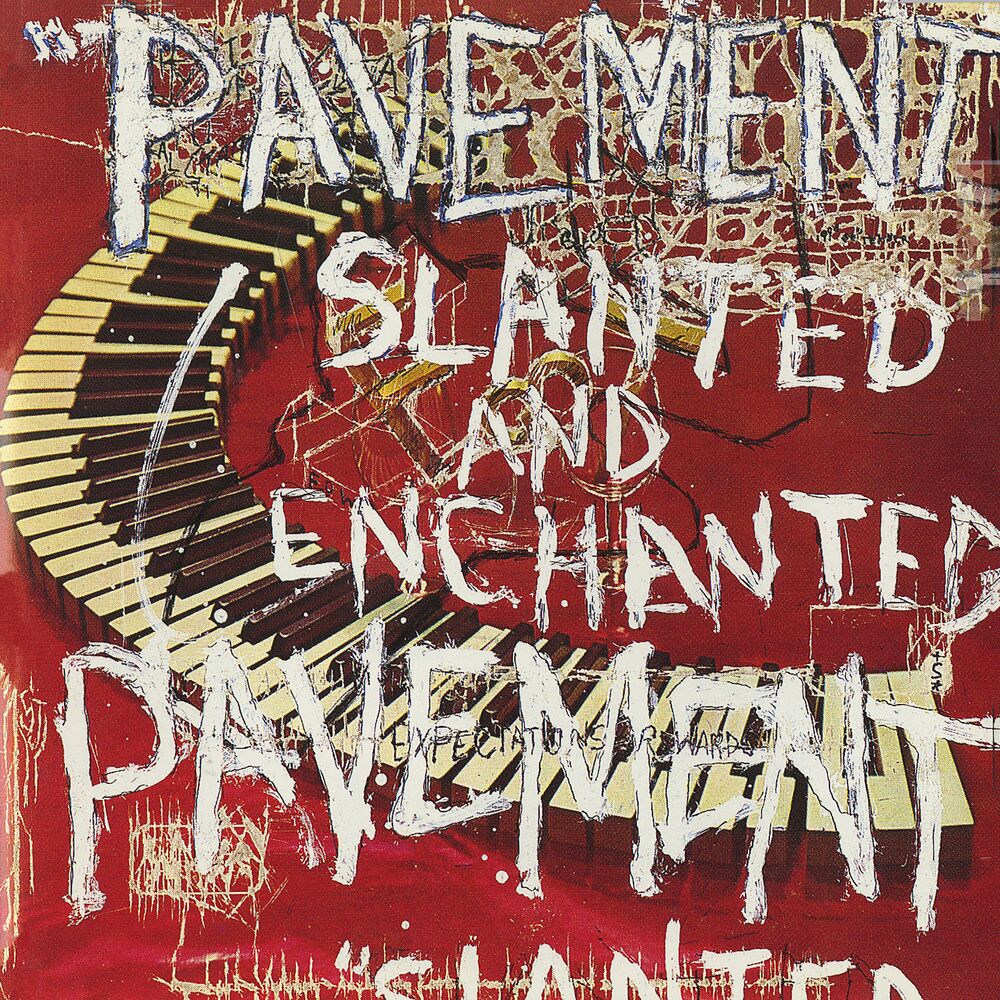
Slanted and Enchanted
Pavement
Shares Sonic Youth's experimental approach to rock with noisy, guitar-driven textures and unconventional song structures that defined '90s alternative rock.
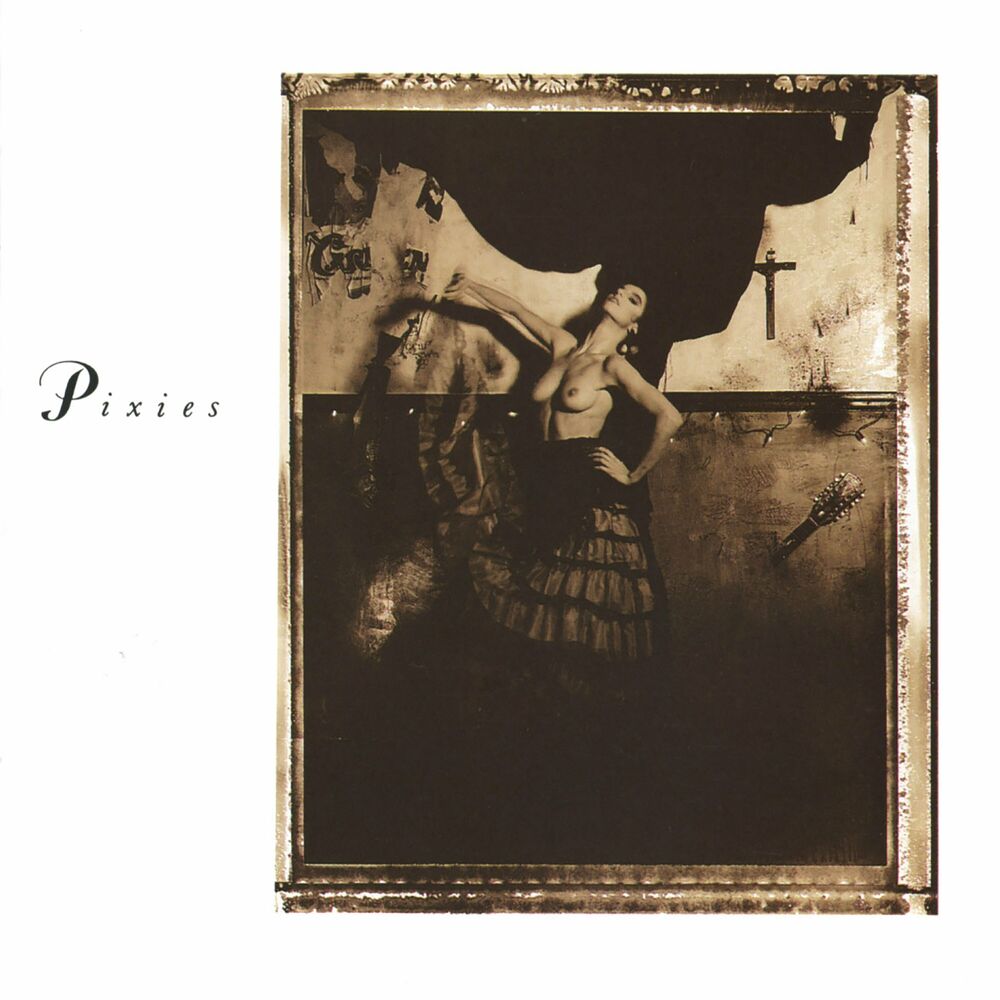
Surfer Rosa
The Pixies
Features the same dynamic intensity and discordant guitar work that influenced Sonic Youth, with abrupt shifts between quiet verses and explosive choruses.

Loveless
My Bloody Valentine
Explores textural, experimental guitar techniques and production innovation similar to Sonic Youth's boundary-pushing approach to the medium.
Also Appears On
Rolling Stone's 500 Greatest Albums of All Time
“The double album that legitimized noise rock for the major labels. Alternate tunings creating a sound world unlike anything else. 'Teen Age Riot' is the greatest indie rock song ever.”
Essential Punk & Post-Punk on Vinyl
“Alternate tunings, feedback as composition, songs inside the noise. 'Teen Age Riot' is the greatest opening track of the late '80s. Without this, no '90s.”
Own this record? Track it in your collection.