#78 of 100
· Cratewise Editorial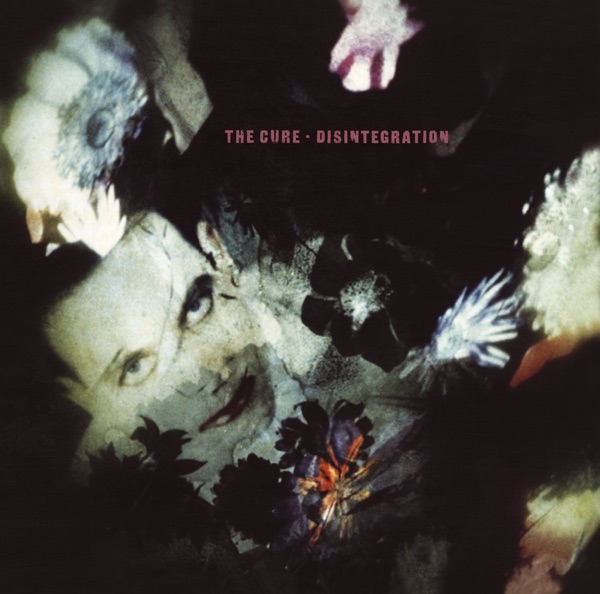
“Disintegration lands here because it's the rare album that sounds as stunning on wax as it does in your head. That 1989 Fiction pressing captures every synth flourish and Simon Gallup's bass lines with remarkable clarity—side one's run from "Pictures of You" through "Lovesong" is basically perfect pop-goth alchemy. It's essential listening, sure, but I'd argue the sheer accessibility keeps it from climbing higher on this particular list. Sometimes the most obvious masterpieces need space for the deep cuts that changed what you thought rock could be.”
The Cure, formed in 1976 in Crawley, England, evolved from post-punk origins into one of the most influential alternative rock bands of the 1980s and beyond. Led by Robert Smith, whose distinctive vocals and songwriting defined the band's sound, The Cure achieved commercial success with albums like "Pornography" (1982), "The Head on the Door" (1985), and "Disintegration" (1989). The latter stands as their masterpiece, featuring hits like "Pictures of You" and "Just Like Heaven," blending gothic aesthetics with sophisticated pop sensibilities. Throughout subsequent decades, including the 1990s and 2000s with albums such as "Wish" (1992) and "The Cure" (2018), the band maintained relevance while exploring themes of loss, desire, and existential anxiety. Their prolific output and consistent touring have made them a cornerstone of alternative rock.
Style
The Cure's sound encompasses post-punk, new wave, gothic rock, and alternative rock, characterized by layered synthesizers, jangly or distorted guitars, and Smith's introspective, often melancholic vocals. Their music ranges from dark, atmospheric textures to accessible pop hooks.
Significance
The Cure's influence on alternative and gothic rock is immeasurable, making their vinyl releases highly sought by collectors. Their albums, particularly "Disintegration," are considered essential listening and valuable additions to any serious rock collection, with original pressings and reissues remaining popular among audiophiles.
Disintegration, released in May 1989, marked The Cure's artistic peak during a remarkably prolific period. The band, led by Robert Smith, recorded the album primarily at Miles Copeland's Chateau de Marouatte in France, working with producer David Allen. The sessions were characterized by a lush, layered approach that saw Smith experimenting extensively with synthesizers, drum machines, and orchestral arrangements. The album emerged from a period of creative confidence following the success of Kiss Me, Kiss Me, Kiss Me, but with a more refined, introspective sensibility. Smith's songwriting on tracks like 'Lovesong' and 'Pictures of You' showcased both his romantic vulnerability and his ability to craft increasingly sophisticated pop structures without sacrificing the band's distinctive melancholic identity.
Historical Context
Disintegration arrived during a pivotal moment when gothic and alternative rock were achieving mainstream commercial success. The late 1980s saw bands like Depeche Mode and New Order finding massive audiences while maintaining artistic credibility, creating space for The Cure's increasingly ambitious sound. The album became a critical and commercial triumph, reaching number 3 in the UK and introducing the band to broader American audiences—'Just Like Heaven' became their signature hit. The album's emotional resonance and polished production established The Cure as major cultural figures, influencing the direction of alternative rock throughout the 1990s.
Pressing Notes
The original UK vinyl pressing on Fiction Records (FIXLP 20) remains highly collectible, particularly early copies with the correct matrix codes. The album received numerous reissues over the decades, including 1989 US pressings on Elektra and various reissues on both vinyl and CD. The 2004 remaster by Steve Wilson offered improved fidelity for both CD and subsequent vinyl releases. Collectors should seek original UK/US 1989 pressings for the intended sound, though later 180-gram reissues provide good quality and accessibility. The album has been reissued multiple times in various formats, with recent deluxe editions becoming available, though original pressings command premium prices in strong condition.

Violator
Depeche Mode
Shares the same synth-driven alternative rock aesthetic with lush production and melancholic atmospheres that define Disintegration.

Power, Corruption & Lies
New Order
Features similar electronic instrumentation blended with post-punk sensibilities and introspective songwriting from the same era.
Also Appears On
Apple Music 100 Best Albums
“Disintegration at 56 feels almost criminally low for one of the most immaculate goth-rock statements ever pressed to wax. "Pictures of You" and "Lovesong" are absolute needle drops that defined the late-80s sound, but what keeps this album anchored in the conversation is Robert Smith's willingness to go genuinely tender without sacrificing the band's darker edges. The production across these eleven tracks remains pristine—those synth layers on "Plainsong" still feel cavernous and alive. If this list is trying to balance canonical essentials with breadth, I get it, but don't sleep on this one just because it's familiar.”
Essential Punk & Post-Punk on Vinyl
“Goth at its most lush. 72 minutes of melancholy grandeur. 'Lovesong' hit #2. 'Pictures of You' became a wedding staple. Robert Smith thought it would end the band. It made them.”
Rolling Stone's 500 Greatest Albums of All Time
“Robert Smith said this was the album he'd been trying to make his entire career. Lush, gothic, and deeply romantic — 'Lovesong' is the hit, 'Plainsong' and 'Prayers for Rain' are the immersive experiences.”
Own this record? Track it in your collection.