#44 of 100
· Cratewise Editorial
Enter the Wu-Tang (36 Chambers)
Wu-Tang Clan
Year
1993
Genre
Hip-Hop/RapLabel
Loud
Format
Vinyl LP
“I placed this at 44 because it's the blueprint that changed hip-hop production forever, but it's not my #1 hip-hop record—that spot goes elsewhere. The RZA's dusty, chopped soul samples and that frenetic energy on the first spin are unmatched, and tracks like "Bring Da Motherfuckin' Ruckus" and "Da Mystery of Chessboxin'" still hit hard on wax. It deserves reverence in any serious collection, but I'm ranking it on the strength of those nine MCs' chemistry rather than pure sonic innovation—the production, genius as it is, leans heavy on sample flipping that other albums have since refined.”
Wu-Tang Clan, formed in Staten Island in 1992, revolutionized hip-hop with their distinctive nine-member collective approach and martial arts-influenced aesthetic. Led by the RZA's production genius, the group released their landmark debut "Enter the Wu-Tang (36 Chambers)" in 1993, which became a cornerstone of 1990s hip-hop despite minimal promotion. The collective's strategy of releasing acclaimed solo albums from members like GZA, Raekwon, and Method Man while maintaining group identity was commercially and artistically successful. Their second album "Wu-Tang Forever" (1997) debuted at number one on the Billboard 200. The clan maintained relevance through the 2000s with various collaborative projects, significantly influencing the trajectory of East Coast hip-hop and establishing a template for artist collectives.
Style
Wu-Tang Clan pioneered a raw, sample-heavy production style blending jazz, soul, and funk loops with gritty street narratives and martial arts philosophy. Their sound is characterized by dense, layered beats, multiple vocal personalities, and the RZA's signature use of martial arts film samples and dusty soul samples.
Significance
Wu-Tang Clan's innovative production and collective model made them essential to hip-hop's golden age, with "36 Chambers" becoming one of the most sought-after hip-hop vinyl records by collectors. Their influence on production, branding, and independent artist strategy remains profound within vinyl collecting communities.
Enter the Wu-Tang (36 Chambers) was recorded primarily at Steubenville, Ohio's underground studios and New York locations during 1993-1994, with producer RZA serving as the mastermind architect. RZA crafted the album's signature sound by sampling obscure kung-fu films, soul records, and creating minimalist yet menacing beats that became the template for East Coast hip-hop's reinvention. The group's nine members—each with distinct personas and lyrical styles—recorded their parts sporadically, with RZA meticulously layering vocals and production elements. Key collaborators included producer Prince Paul and various engineers. The album's concept drew from kung-fu cinema and street mentality, positioning the Wu-Tang as a powerful clan with individual members pursuing solo careers while maintaining collective identity. Recording was completed with minimal budget but maximum creativity, resulting in an album that sounded expensive and cinematic despite its underground origins.
Historical Context
Released in November 1993, Enter the Wu-Tang arrived during a pivotal moment when East Coast hip-hop was reasserting dominance over West Coast gangsta rap. The album's dark, sample-heavy production and multi-member showcase format offered a fresh alternative to the polished production of mainstream rap. It received critical acclaim from hip-hop publications and gradually built cult status through college radio and word-of-mouth, eventually achieving platinum status. The album's success validated the Wu-Tang's business model of group unity with parallel solo careers, influencing hip-hop's structure throughout the 1990s. Its cultural impact extended beyond music into fashion, martial arts imagery, and street vernacular.
Pressing Notes
The original 1993 Loud Records pressing on black vinyl is the most sought-after edition among collectors. Early pressings feature specific pressing plant marks (typically Rainbo or United Pressing). A remaster was issued in 2003 with slightly different sequencing. Subsequent reissues include 2016 deluxe editions and various colored vinyl variants released for Record Store Day and other special occasions. The original LP can command premium prices due to its historical significance. Collectors should verify pressing plant information and listen for surface quality, as many copies have aged inconsistently. First pressings often include the original Loud Records label design, which is visually distinct from later versions.

Illmatic
Nas
A defining 1990s East Coast hip-hop album with similarly raw production, intricate lyricism, and iconic features from the same era.
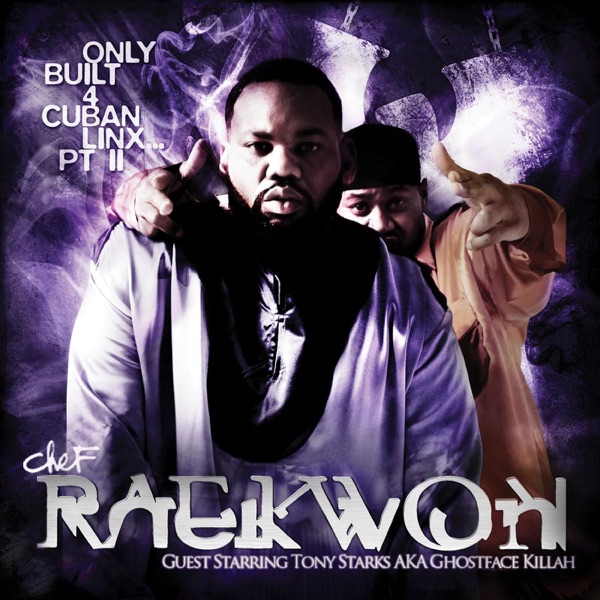
Only Built 4 Cuban Linx...
Raekwon
Wu-Tang affiliate Raekwon's solo masterpiece shares the grimy, soulful production aesthetic and narrative storytelling that defines 36 Chambers.

Liquid Swords
GZA
Another Wu-Tang solo album featuring the group's signature dark, minimalist production style and sophisticated wordplay from one of the clan's most cerebral members.
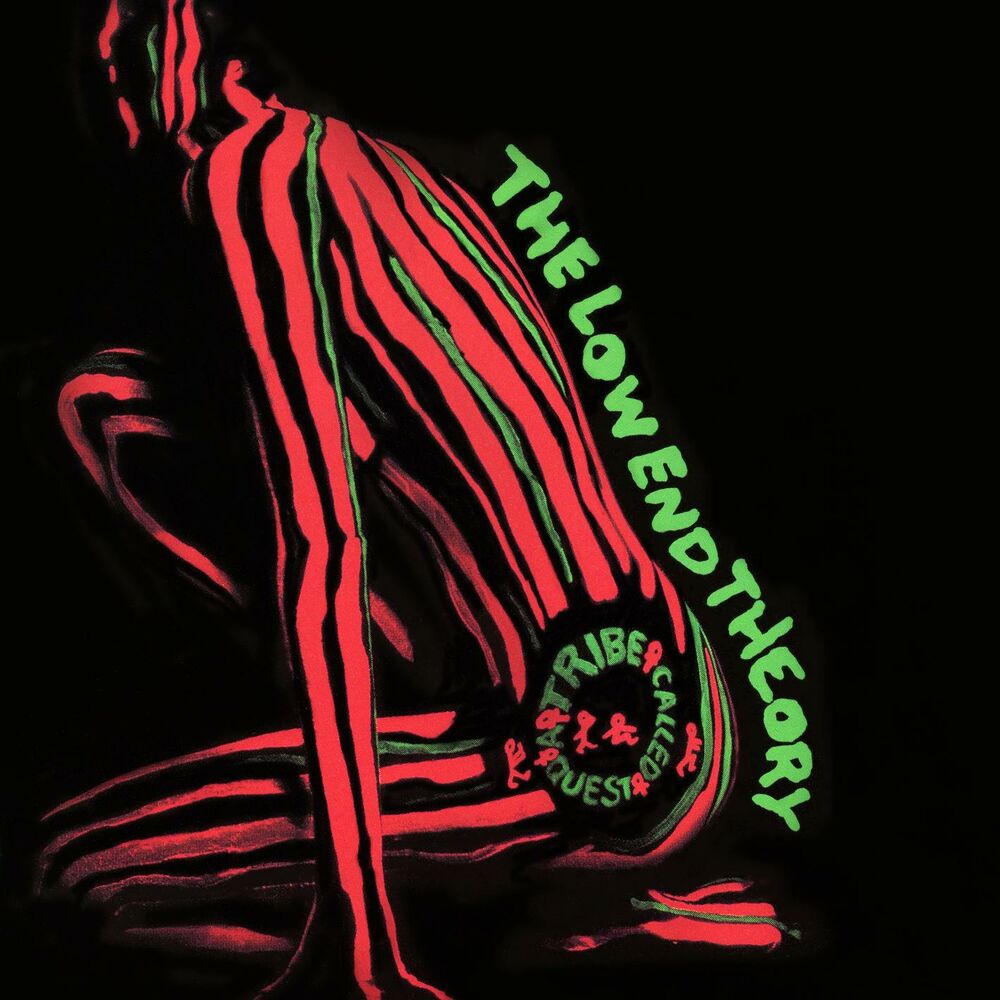
The Low End Theory
A Tribe Called Quest
A complementary East Coast hip-hop cornerstone with jazz-influenced production, strong group dynamics, and the same era's innovative sampling techniques.
Also Appears On
Debut Albums
“Nine MCs, one producer, no polish. RZA's production was raw, cinematic, and completely unlike anything else in hip-hop. The debut that launched an empire.”
Apple Music 100 Best Albums
“Absolutely deserved placement for the album that changed hip-hop forever. The RZA's production on "36 Chambers" created this gritty, sample-heavy blueprint that still influences producers today—those chopped-up soul loops and kung-fu interludes hit differently on wax. What's brilliant about landing at #37 is it respects the record's seismic impact without overcorrecting; this isn't just a greatest-hits cornerstone, it's legitimately one of the most replayed albums in the format. First needle drop of "Bring Da Motherfuckin' Ruckus" and you understand why collectors still hunt for clean original pressings.”
Rolling Stone's 500 Greatest Albums of All Time
“Nine MCs and one producer in a Staten Island basement. RZA's lo-fi, kung-fu-sampling production sounded like nothing else in 1993 — dusty, grimy, and absolutely hypnotic. 'C.R.E.A.M.' is the anthem, but Method Man's solo verse is the moment everyone leaned in.”
Essential Hip-Hop on Vinyl
“Nine MCs, one producer, zero polish. RZA built beats from kung fu samples and dusty soul. 'C.R.E.A.M.' is the greatest narrative since 'The Message.' Staten Island changed everything.”
Own this record? Track it in your collection.