#43 of 100
· Cratewise Editorial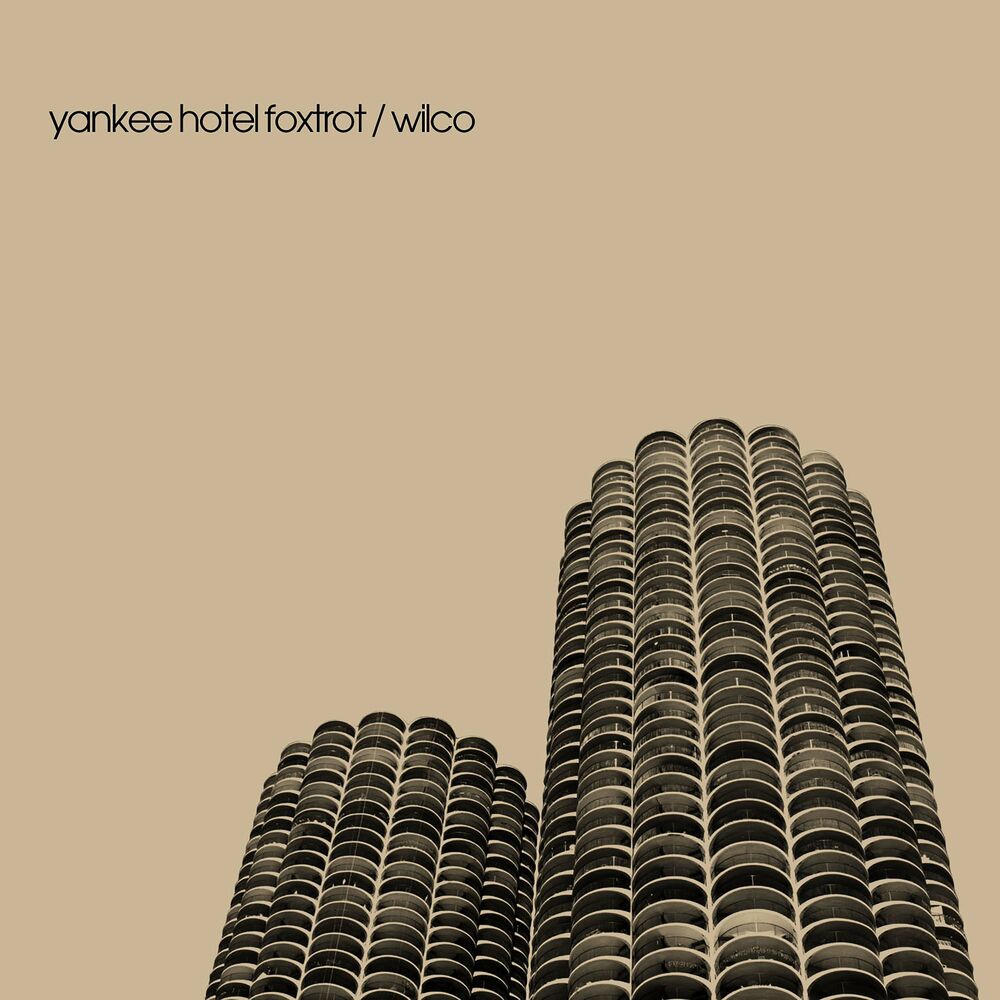
“Yankee Hotel Foxtrot lands here because it's the exact moment indie rock stopped apologizing for ambition. Jeff Tweedy's willingness to embrace studio experimentation—those treated vocals, the electronic textures layered underneath country-rock bones—felt radical in 2001. The album's got the kind of staying power that separates essential from trendy; "Heavy Metal Drummer" and "Jesus, Etc." sound as vital now as they did on first needle drop. Any collector serious about 21st-century rock needs this one, preferably the original Nonesuch pressing before it became the most bootlegged record of the internet age.”
Wilco emerged from Chicago in 1994, initially gaining attention as the post-grunge project of Jeff Tweedy, following his departure from Uncle Tupelo. The band's early albums, particularly 'A.M.' (1995) and 'Being There' (1996), showcased their alt-country roots before evolving into experimental art-rock territory. Their critically acclaimed 2002 album 'Yankee Hotel Foxtrot' marked a watershed moment, establishing Wilco as innovative sonic explorers willing to deconstruct rock conventions. Subsequent albums including 'A Ghost Is Born' (2004) and 'The Whole Love' (2011) reinforced their reputation for meticulous, layered production and introspective songwriting. Throughout their career, Wilco has remained prolific and artistically restless, maintaining a dedicated fanbase and consistently influencing alternative rock discourse.
Style
Wilco's sound spans alternative country, art-rock, and experimental pop, characterized by Jeff Tweedy's distinctive vocals, intricate multi-instrumental arrangements, and a willingness to incorporate electronic elements and studio experimentation into their compositions.
Significance
Wilco is highly significant to vinyl collectors for their commitment to album-oriented artistry and meticulous vinyl reissues, particularly their remaster campaign that has made their back catalog highly sought-after in both original pressings and audiophile reissues.
Yankee Hotel Foxtrot marked a dramatic creative shift for Wilco, recorded across multiple sessions between 2001-2002 at Chicago's Lacquer Channel Studios and Cloudland Studios in Vermont. The album was helmed by producer Jim O'Rourke, whose avant-garde sensibilities pushed the band toward experimental textures—layered electronics, orchestral arrangements, and unconventional song structures replaced the alt-country foundation of earlier work. Jeff Tweedy led the band through an intensive songwriting and recording process, often deconstructing songs and rebuilding them with digital manipulation and studio effects. The sessions were marked by creative tension, musical exploration, and occasional band discord as members like Nels Cline brought individualistic contributions to tracks like 'Heavy Metal Drummer' and 'War on War.'
Historical Context
Released in April 2002, YHF arrived during a transitional moment in alternative rock when bands were increasingly embracing digital production and indie pop sophistication. The album's initial label, Reprise Records, had concerns about its commercial viability and the contentious relationship between the label and band became industry news—Wilco ultimately left Reprise and released the album through Nonesuch. The record was celebrated critically for its ambition and sonic innovation, earning widespread acclaim and introducing many listeners to Wilco's expanded vision. It became emblematic of post-9/11 artistic experimentalism and helped position Chicago as a crucial indie music hub.
Pressing Notes
The original Nonesuch pressing (2002) is the most sought-after first edition among collectors. Early copies can show surface noise variation depending on pressing plant. The album has been reissued multiple times, including audiophile pressings that emphasize the album's detailed production—particularly valuable given O'Rourke's meticulous studio work. A deluxe remaster was released in 2022 by Wilco's dBpm label. Collectors should note that different pressings vary in dynamic range; original 2002 pressings tend to preserve more dynamic detail than some later reissues affected by loudness compression trends.
Also Appears On
Own this record? Track it in your collection.