#35 of 100
· Cratewise Editorial
“I placed this one at 35 because it's where neo-soul matured into something dangerous and uncompromising. After Baduizm's blueprint success, Mama's Gun refuses to play it safe—the production is weirder, the arrangements looser, and Erykah's voice carries this raw vulnerability that the debut didn't quite dare. That first needle drop on "Penitentiary Philosophy" sets the tone immediately: this is a woman reckoning with herself. The Motown pressing captures the jazzy, off-kilter production with real warmth, and deep cuts like "Bag Lady" became the cultural touchstone that defined early 2000s soul. It's essential canon, but the unflinching emotional honesty kept it from climbing higher—not every album needs to be your favorite to be one of the greatest.”
Erykah Badu emerged from Dallas, Texas in the mid-1990s as a pioneering figure in the neo-soul movement. Her debut album 'Baduizm' (1997) became a critical and commercial success, establishing her as a visionary artist who blended soul, jazz, and hip-hop influences with conscious lyricism. Throughout her career, spanning albums like 'Mama's Gun' (2000) and 'New Amerykah Part One (4th World War)' (2008), Badu has continuously evolved her sound while maintaining artistic integrity and intellectual depth. Her influence extends beyond music into fashion and visual presentation, making her a cultural icon. Despite a measured recording pace, each album release has been significant, showcasing her commitment to artistry over commercial trends.
Style
Erykah Badu's sound combines neo-soul, jazz, funk, and hip-hop with ethereal vocals and introspective, often politically conscious lyrics. Her music is characterized by organic instrumentation, sophisticated production choices, and an experimental approach that resists genre boundaries.
Significance
Badu is a foundational artist in the neo-soul canon and remains essential for collectors interested in late-1990s and contemporary soul music. Her vinyl releases, particularly 'Baduizm' and 'Mama's Gun,' are highly sought after by collectors valuing artistic substance and sonic quality on the format.
Mama's Gun, Erykah Badu's second studio album, was recorded primarily at Hollywood's famous Record Plant studios in 2000. The album marked a significant evolution from her debut Baduizm, showcasing more experimental production and introspective songwriting. Badu worked with producer James Poyser and collaborated with her then-husband André 3000 of OutKast on several tracks, bringing hip-hop production influences into her neo-soul foundation. The recording process involved live instrumentation layered with electronic elements, reflecting Badu's desire to deepen her artistic expression. Guest appearances included D'Angelo, Questlove, and Common, creating a rich collaborative atmosphere that emphasized both musicianship and lyrical substance.
Historical Context
Released in November 2000, Mama's Gun arrived during a golden age for neo-soul, when artists like D'Angelo, Bilal, and Jill Scott were pushing the genre toward more experimental and politically conscious directions. The album received critical acclaim for its ambitious production and emotional depth, with particular praise for tracks like 'Bag Lady' and 'Appletree.' It debuted at number two on the Billboard 200 and established Badu as not just a talented vocalist but a sophisticated artist capable of complex conceptual work. The album's themes of relationships, self-discovery, and social commentary resonated with listeners during a period of significant cultural and political transition.
Pressing Notes
The original 2000 vinyl pressing on Motown Records is highly sought after by collectors. Early pressings feature enhanced clarity and warm analog qualities that showcase the album's layered instrumentation particularly well. The album has been reissued on vinyl multiple times, including a 2016 reissue and subsequent deluxe reissues. Collectors should seek out original pressings for the best sound quality, though later versions are generally well-mastered. Condition is important—the album's detailed production benefits from clean, unplayed copies. Various colored vinyl editions have been released for Record Store Day and other special releases, appealing to both audiophiles and collectors.

Voodoo
D'Angelo
Shares the same neo-soul aesthetic with live instrumentation, jazzy chords, and introspective vocal delivery that defined mid-2000s soul music.
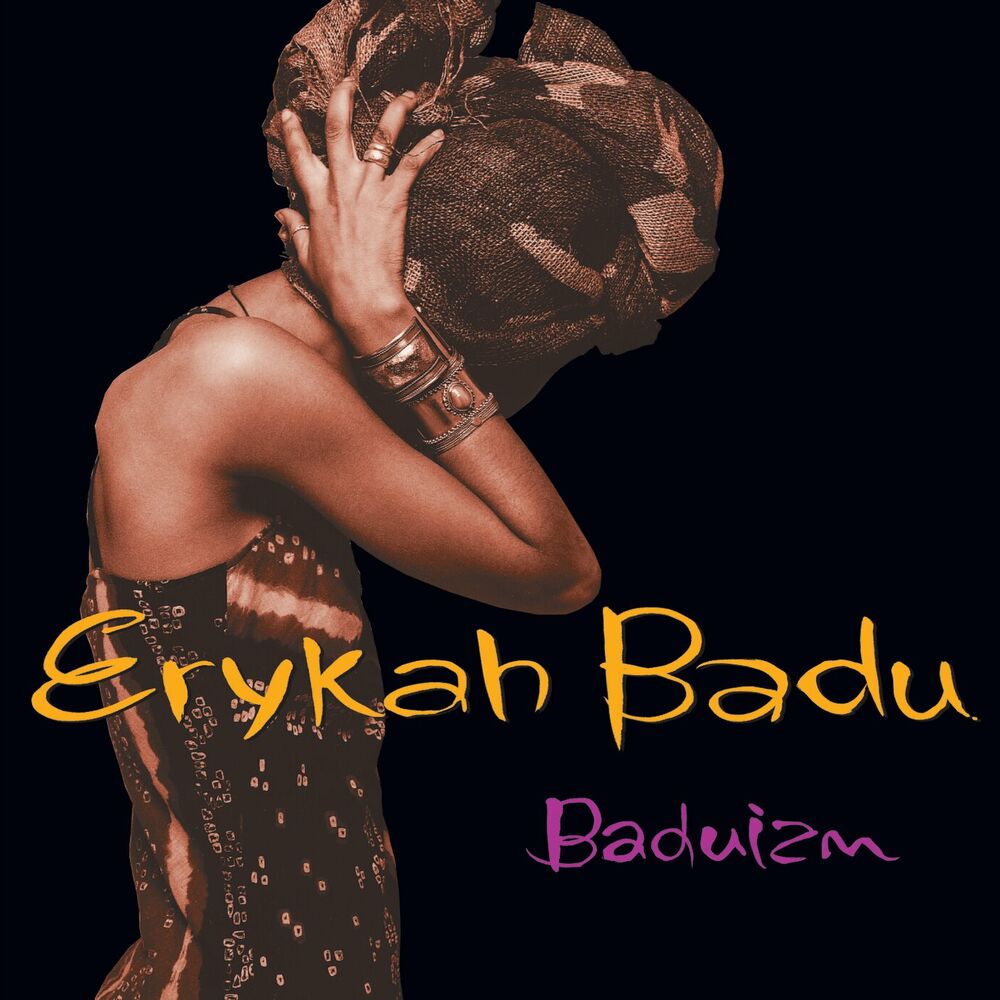
Baduizm
Erykah Badu
If you love Mama's Gun, her debut offers the same sophisticated soul foundation with live band arrangements and experimental production approaches.
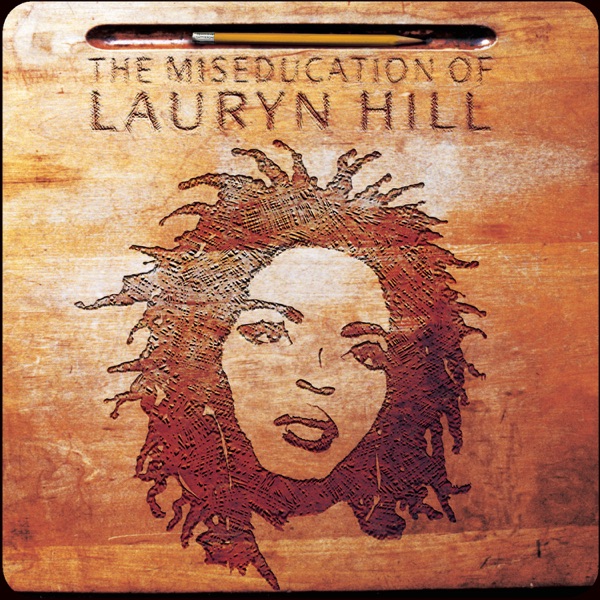
The Miseducation of Lauryn Hill
Lauryn Hill
Combines neo-soul sensibilities with live instrumentation, introspective lyricism, and genre-blending production similar to Mama's Gun's artistic scope.
Also Appears On
Essential Soul & Funk on Vinyl
“'Bag Lady' and 'Didn't Cha Know' anchor the best neo-soul album of its year. Badu's voice moves from whisper to command mid-phrase. Warm, funky, wise.”
Rolling Stone's 500 Greatest Albums of All Time
“#158 feels right for this one. Mama's Gun is a product of the 2000s, and Erykah Badu delivered something that still resonates. The Motown pressing rewards close listening on a good turntable.”
Own this record? Track it in your collection.