#30 of 100
· Cratewise Editorial
“Superfly lands at 30 because it's the perfect convergence of artistic ambition and pure sonic pleasure. Curtis didn't just score a blaxploitation film—he created a masterpiece that transcends its source material entirely. The production is immaculate, those string arrangements hit different on wax, and tracks like "Pusherman" prove soul music could tackle heavy subject matter without sacrificing groove. This one rewards multiple listens; each needle drop reveals something new in the arrangements.”
Curtis Mayfield (1942-1999) was an influential soul and funk musician who rose to prominence as the lead singer and guitarist of The Impressions during the 1950s and 1960s. The Impressions became one of the most successful vocal groups of their era, known for their smooth harmonies and socially conscious lyrics. Mayfield's solo career, beginning in the early 1970s, established him as a major force in funk and soul music. His groundbreaking work on the Shaft soundtrack (1971) and subsequent albums like Superfly (1972) and Curtis (1974) defined the sound of 1970s funk while addressing themes of social justice, poverty, and African American life. Despite a tragic accident in 1990 that left him partially paralyzed, Mayfield continued recording and performing, cementing his legacy as both an innovator and socially conscious artist.
Style
Curtis Mayfield's style blended soul, funk, and R&B with sophisticated arrangements, clean guitar work, and his distinctive falsetto vocals. His music combined infectious grooves with socially meaningful lyrics, creating soundtracks that were both commercially accessible and artistically substantive.
Significance
Mayfield is essential to vinyl collectors as a pioneer of funk and soul music whose soundtrack albums defined an era and influenced generations of musicians. His work represents a crucial intersection of popular music, social commentary, and production innovation that remains vital to understanding 1970s American music culture.
Superfly (1972) was Curtis Mayfield's masterpiece, created as the soundtrack to Gordon Parks' film of the same name. Mayfield composed, arranged, and performed nearly all the music, drawing inspiration from the film's narrative about a cocaine dealer in Harlem. Recorded at Capitol Studios in Hollywood, Mayfield layered his distinctive falsetto vocals over lush orchestral arrangements featuring strings, horns, and innovative use of synthesizers. The album showcased his technical mastery—he played multiple instruments including guitar, keyboards, and percussion. Rather than simply scoring the film, Mayfield crafted a cohesive musical statement that explored themes of street life, survival, and social commentary. The album's production was notably sophisticated for its time, with Mayfield working closely with engineer John Fischbach to achieve his envisioned sound.
Historical Context
Released in 1972, Superfly arrived during the height of the blaxploitation film era and became the defining soundtrack of the movement. The album's commercial success was unprecedented for a soundtrack, reaching #1 on the Billboard 200 and selling over a million copies. The single "Pusherman" became a cultural phenomenon, introducing Mayfield's political consciousness to mainstream audiences while addressing drug culture without glorifying it. The album's success established Mayfield as not just a performer but a visionary artist-composer. It influenced the trajectory of funk, soul, and hip-hop, with producers and rappers sampling Mayfield's work for decades. The album won a Grammy Award and demonstrated that Black artists could create commercially successful art addressing serious social issues.
Pressing Notes
The original 1972 pressing on Curtom Records (CRS 8014) is highly sought by collectors, particularly early copies with the gatefold sleeve featuring the film artwork. Vinyl pressings vary in quality depending on the manufacturing location and time period. The album has been reissued multiple times, including 1990s CD-era reissues and modern 180-gram audiophile pressings by Music on Vinyl and other labels. Collectors should note that early pressings can show surface noise and wear; NM copies command premium prices. Reissues vary in fidelity; some audiophile editions offer superior sound quality. The gatefold packaging and original liner notes are important to collectors seeking authentic first editions. Counterfeit pressings exist in the secondary market, so purchasing from reputable dealers is recommended.
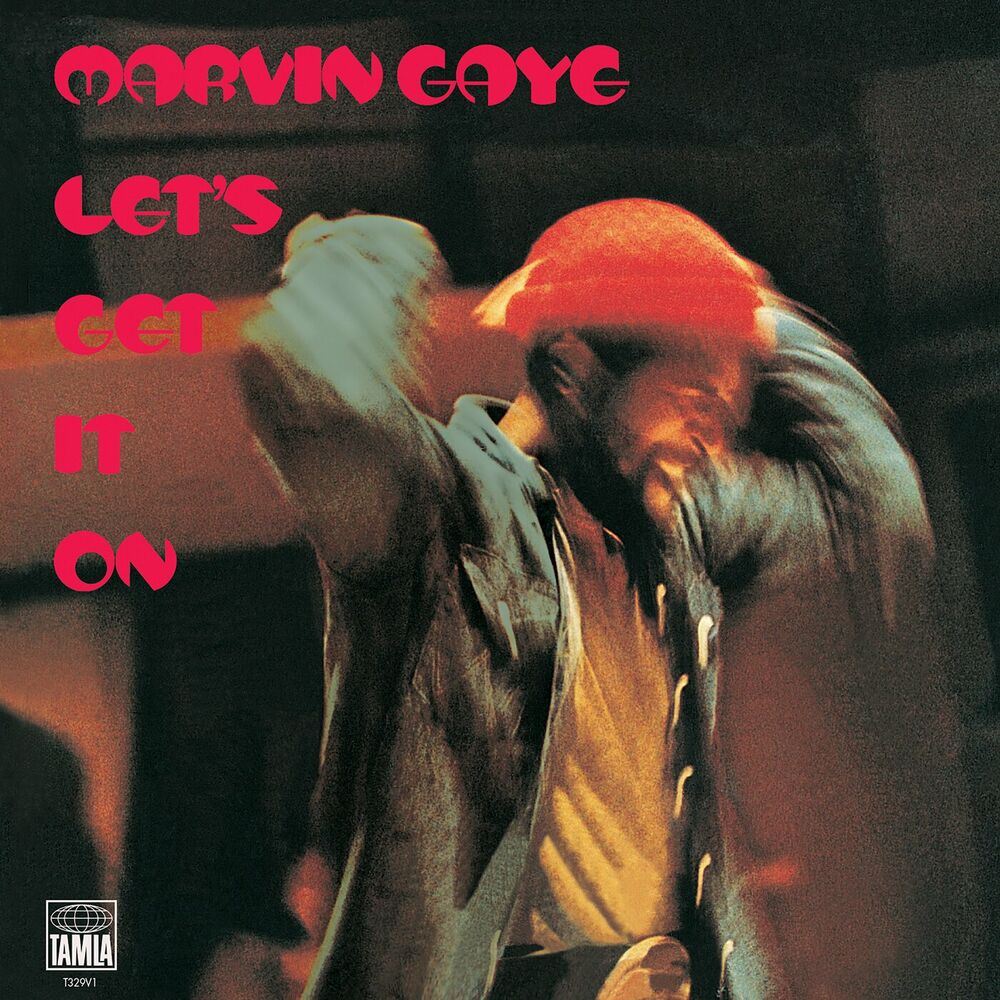
Let's Get It On
Marvin Gaye
Gaye combines socially conscious lyrics with seductive soul production similar to Mayfield's blend of substance and sensuality.
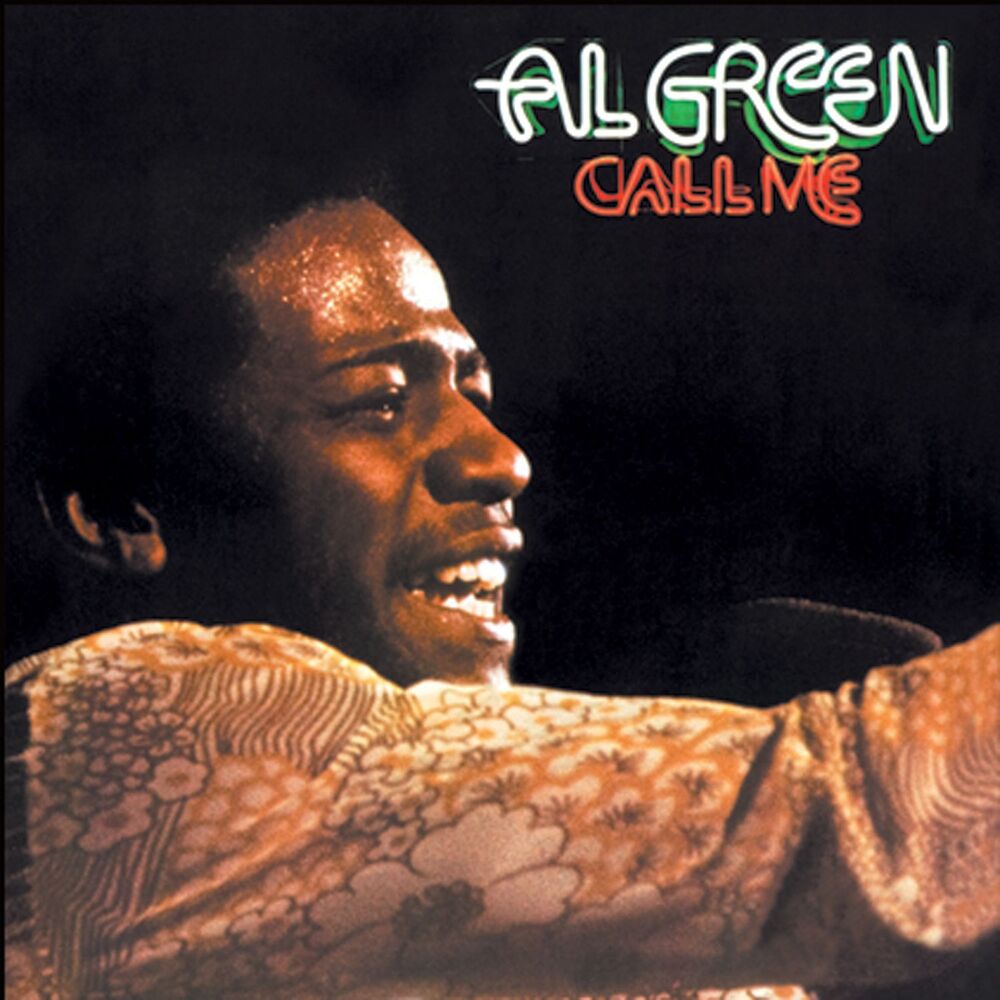
Call Me
Al Green
Green's emotionally rich soul vocals and warm, vintage production echo the same era's commitment to authentic, orchestrated soul that defines Superfly.
Also Appears On
Rolling Stone's 500 Greatest Albums of All Time
“Curtis wrote the soundtrack and outshone the film entirely. The Curtom pressing is lush, cinematic, and politically sharp — 'Pusherman' and 'Freddie's Dead' are character studies disguised as grooves. This is what happens when a genius songwriter meets a blaxploitation budget.”
Essential Soul & Funk on Vinyl
“The soundtrack that outclassed its movie. 'Pusherman,' 'Freddie's Dead,' and the title track — Mayfield's falsetto over orchestral funk is social commentary that makes you dance.”
Own this record? Track it in your collection.