#29 of 100
· Cratewise Editorial
“Who's Next sits at the sweet spot where stadium ambition meets surgical precision—Pete Townshend's synth experiments and the band's raw power create something timeless. "Baba O'Riley" and "Won't Get Fooled Again" are the obvious needle drops, but the real magic lives in deeper cuts like "The Song Is Over" and "Behind Blue Eyes." The original Decca pressing captures that dense, almost claustrophobic production perfectly; later reissues smooth it out too much. This album proved The Who could compete with prog's intellectual scope while staying ferociously, unmistakably rock and roll—that's why it ranks here, right in that elite tier where experimentation never sacrifices hooks.”
The Who emerged from London's mod scene in 1964, becoming one of rock's most innovative and influential bands. Led by Pete Townshend's songwriting and Roger Daltrey's powerful vocals, the band revolutionized rock music with the rock opera 'Tommy' (1969) and the ambitious double album 'Quadrophenia' (1973). Their early work combined aggressive power chords with smashed guitars and windmill arm movements, establishing their reputation as explosive live performers. Throughout the 1970s and beyond, they continued to produce critically acclaimed albums while maintaining legendary status as touring acts, influencing countless musicians across multiple generations.
Style
The Who pioneered power pop and hard rock with Pete Townshend's distinctive thick, crunching guitar sound and innovative use of synthesizers. Their music blends aggressive rock with intricate arrangements, memorable melodies, and Townshend's distinctive songwriting that ranges from rock anthems to introspective character studies.
Significance
The Who are essential to any serious rock vinyl collection, with 'Tommy' and 'Quadrophenia' considered landmark albums that expanded rock's artistic scope and commercial possibilities. Their original vinyl pressings, particularly early UK releases and the iconic 'Tommy' gatefold, remain highly sought after by collectors for both historical importance and sound quality.
Who's Next, released in 1971, represents The Who at a creative and commercial peak. The album emerged from the ambitious but unfinished rock opera Lifehouse, Pete Townshend's conceptual follow-up to Tommy. When the film adaptation of Lifehouse stalled, Townshend distilled the project into a tighter collection of standalone songs. Recorded primarily at Olympic Studios in London with engineer Glyn Johns, the band—Pete Townshend (guitar, vocals), Roger Daltrey (vocals), John Entwistle (bass), and Keith Moon (drums)—captured raw energy and studio sophistication. The album features the iconic synthesizer work that would become a signature sound, with Townshend exploring new production techniques. Key tracks like "Baba O'Riley" and "Won't Get Fooled Again" showcase the band's ability to blend rock power with experimental elements.
Historical Context
Released in August 1971, Who's Next arrived during a transformative period for rock music, with progressive rock and synthesizer experimentation gaining mainstream acceptance. The album was a massive commercial and critical success, reaching number three in the UK and becoming one of The Who's best-selling releases. It demonstrated that the band could evolve beyond their earlier mod rock roots and compete with contemporaries like Led Zeppelin and Pink Floyd. The album's themes of generational frustration and social commentary resonated strongly during the early 1970s counterculture. Several tracks became staples of rock radio and remain iconic decades later.
Pressing Notes
The original 1971 UK pressing on Decca Records is highly sought by collectors, particularly early copies with the Decca logo. The album was released in multiple formats including gatefold sleeves with extensive liner notes. American pressings on MCA Records differ slightly in mastering and packaging. Reissues include a 1995 Polydor remaster and a 2013 deluxe edition with bonus material. Original vinyl pressings vary in sound quality; earlier pressings are generally preferred by audiophiles. Collectors should note that pressings from different regions and eras have distinct sonic characteristics, with UK Decca originals often commanding premium prices.

Tommy
The Who
A groundbreaking rock opera that showcases The Who's ambitious songwriting and Pete Townshend's innovative guitar work in a similarly epic format.
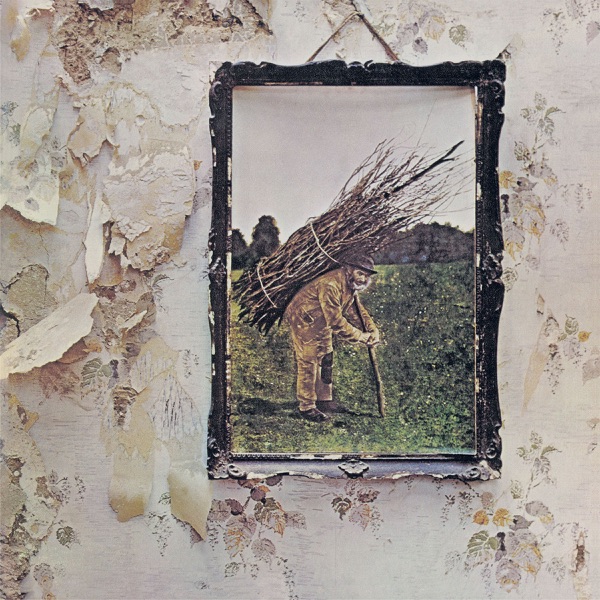
Led Zeppelin IV
Led Zeppelin
Features the same heavy, blues-influenced rock sound with powerful dynamics and memorable anthems that made Who's Next a classic.

The Dark Side of the Moon
Pink Floyd
A concept album with dense production, experimental rock arrangements, and the same ambitious artistic vision that defines Who's Next.
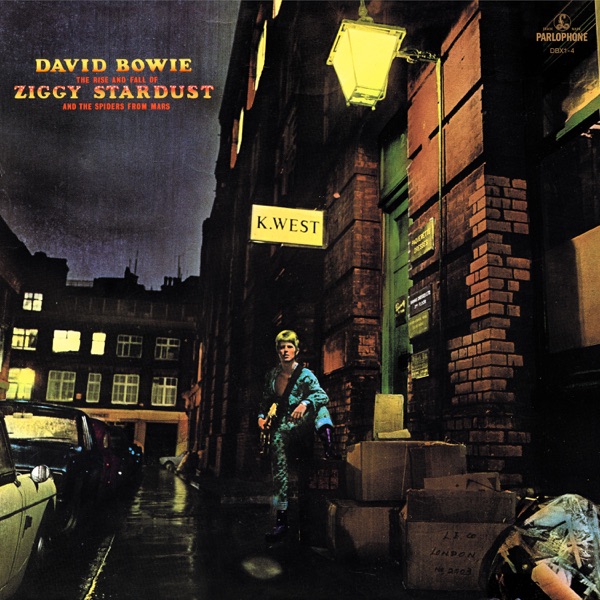
The Rise and Fall of Ziggy Stardust and the Spiders from Mars
David Bowie
Delivers theatrical rock with strong melodies, innovative production, and the kind of iconic status that appeals to progressive rock collectors.
Also Appears On
Rolling Stone's 500 Greatest Albums of All Time
“Pete Townshend's aborted Lifehouse project became the most powerful rock album of 1971 instead. 'Babe O'Riley' and 'Won't Get Fooled Again' are arena-rock blueprints. Keith Moon's drumming on the original Track pressing sounds like controlled demolition.”
Essential Classic Rock on Vinyl
“'Baba O'Riley' opens with a synth sequence from the future. 'Won't Get Fooled Again' closes with the greatest scream in rock. Townshend's ambition, Moon's chaos, Entwistle's thunder.”
Own this record? Track it in your collection.