#22 of 100
· Cratewise Editorial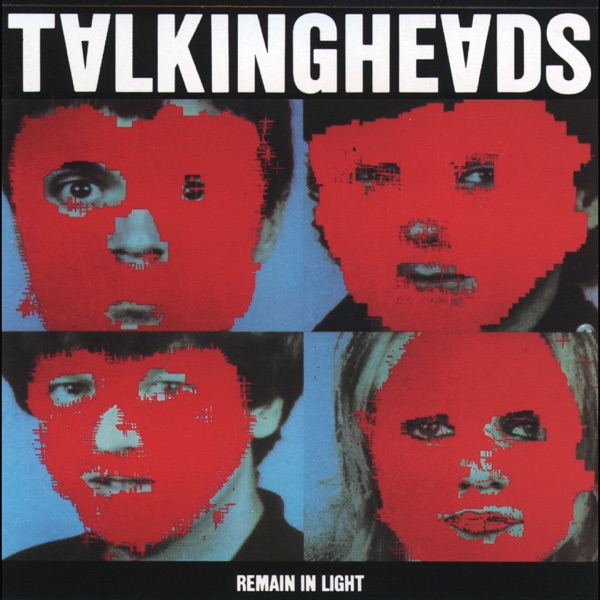
“Remain in Light sits at this sweet spot because it's where art rock became genuinely danceable without sacrificing an ounce of cerebral edge. David Byrne and Eno's production work on "Once in a Lifetime" and "Houses in Motion" practically invented post-punk funk, and that polyrhythmic interplay between the bass and drums is pure needle drop gold. The original Sire pressing captures that crisp, compressed sound perfectly—those tight snare cracks just pop off the wax. This album proved you didn't have to choose between intellectual rigor and body movement, which is why it's essential, not just influential.”
Talking Heads emerged from New York's downtown punk scene in 1975, founded by David Byrne (vocals, guitar), Chris Frantz (drums), and Tina Weymouth (bass). The band evolved from minimalist post-punk origins into innovators of art rock and world music fusion. Their collaborative partnership with producer Brian Eno from 1978-1988 yielded groundbreaking albums including 'More Songs About Buildings and Food' (1978), 'Fear of Music' (1979), and the landmark 'Remain in Light' (1980), which incorporated Afrobeat rhythms and polyrhythmic complexity. The group achieved mainstream success with 'Speaking in Tongues' (1983) and the live album 'Stop Making Sense' (1984), which documented Jonathan Demme's legendary concert film. The band disbanded in 1991, reunited briefly in 2002, and have continued sporadic performances and collaborations. Byrne's solo work and the members' diverse projects have maintained their influence on contemporary music.
Style
Talking Heads pioneered art rock and post-punk with angular guitar work, syncopated rhythms, and anxious vocal delivery, gradually incorporating funk grooves, world music elements, and electronic production into their sophisticated, danceable sound.
Significance
As key architects of the post-punk and new wave movements, Talking Heads' innovative albums are cornerstone acquisitions for vinyl collectors interested in 1980s art rock, world music fusion, and the intersection of punk ethos with intellectual songwriting and production experimentation.
Remain in Light, released in 1980, marked Talking Heads' ambitious third album and a dramatic departure from their post-punk origins. Recorded at the Record Plant in New York, the album featured an expanded ensemble including bassist Busta Cherry Jones, percussionists Steve Scales and André Braugé, and guitarist Adrian Belew, creating a polyrhythmic, funk-influenced sound. David Byrne, driven by his interest in African music and dance, led the band toward a more rhythmically complex and danceable direction. The production combined studio experimentation with live energy, featuring the hypnotic single "Once in a Lifetime," which became iconic through its innovative music video where Byrne performed his distinctive, jerky dance movements. The collaborative process was intense and improvisational, with Eno and Byrne shaping amorphous jam sessions into structured songs that balanced intellectual abstraction with infectious grooves.
Historical Context
Remain in Light arrived during a pivotal moment when post-punk was giving way to new wave and electronic music's mainstream acceptance. The album's release preceded the MTV era, yet its music videos—particularly the Byrne-choreographed "Once in a Lifetime"—became central to the station's early identity. Critics praised the album's sophistication and accessibility, though it initially divided the fanbase expecting straightforward new wave. It influenced countless artists exploring the intersection of art rock and dance music, positioning Talking Heads as avant-garde intellectuals who could also move bodies. The album eventually achieved both critical reassessment and commercial success, becoming one of the most important rock albums of the 1980s.
Pressing Notes
The original 1980 Sire Records LP pressing remains highly collectible and features the distinctive Roger Kunkel cover design. Early pressings are noted for warm, dynamic sound quality. The album has seen several reissues, including a 2004 remaster and a 2015 deluxe edition with expanded artwork. Collectors should seek original pressing copies from Sire for the best analog sound, identifiable by catalog number SRK 6095. The album's high-quality production translates excellently to vinyl, making it a recommended listening experience on wax. Japanese pressings from the era are also sought after by serious collectors for their meticulous manufacturing standards.

One Nation Under a Groove
Funkadelic
Combines funk grooves with psychedelic production and complex arrangements similar to how Remain in Light fuses rhythm-focused bass lines with art-rock sensibilities.

Entertainment!
Gang of Four
Features the same post-punk era sensibility with percussive guitar and syncopated rhythms that create tension and forward momentum like Remain in Light.
There's a Riot Goin' On
Sly and the Family Stone
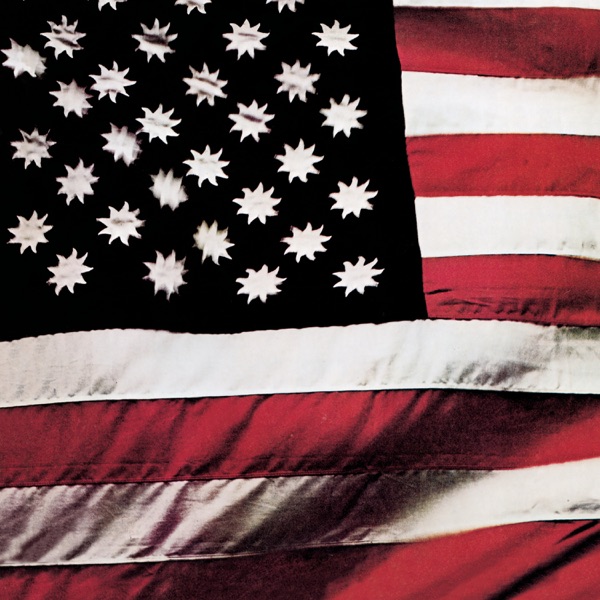
Pioneering the funk-rock fusion with layered grooves and dense production that provided inspiration for Remain in Light's bass-driven, syncopated sound.
Also Appears On
Rolling Stone's 500 Greatest Albums of All Time
“Brian Eno and the Talking Heads fused Afrobeat with new wave and accidentally invented the template for half of modern music. The Sire pressing pulses with polyrhythm — 'Once in a Lifetime' is the hit, but 'Born Under Punches' and 'The Great Curve' are the ones that rewire your brain.”
Essential Punk & Post-Punk on Vinyl
“Punk meets Afrobeat meets Eno's production. 'Once in a Lifetime' is existential panic over a groove. The album that proved post-punk could dance.”
Apple Music 100 Best Albums
“Remain in Light at 43 feels right—it's the moment Talking Heads stopped being art-rock intellectuals and became genuinely dangerous. That polyrhythmic pulse David Byrne and producer Brian Eno locked in place across tracks like "Once in a Lifetime" and "Houses in Motion" basically rewired what rock records could do. The Fela Kuti influence gives it this irresistible propulsive energy that still hits on the needle drop, and the rhythm section (Chris Frantz and Tina Weymouth are absolute killers here) deserves equal billing with Byrne's paranoid vocals. It's essential, but honestly, I'd argue the original Sire pressing's warm mastering edges out later reissues—that's the one to hunt for.”
Own this record? Track it in your collection.