#78 of 100
· Apple Music
“Placing this at 78 feels like a genuine snub. Goodbye Yellow Brick Road is a legitimate masterpiece—a double album that somehow avoids the bloat trap by delivering immaculate pop-rock across its entire run. The Honky Château sessions and Bernie Taupin's lyrics hit different on vinyl; the stereo separation on "Bennie and the Jets" is pristine. This album defined the '70s glam-rock landscape more than most records ranked higher on this list, so either Apple's voters favored his earlier work, or they're sleeping on one of pop music's most enduring statements.”
Reginald Kenneth Dwight, known professionally as Elton John, emerged as one of the most commercially successful artists of the 1970s. Born in Pinner, England in 1947, he formed a songwriting partnership with lyricist Bernie Taupin that produced a string of platinum albums throughout the decade. His early albums "Elton John" (1970) and "Tumbleweed Connection" (1971) established his distinctive piano-driven rock sound, while "Goodbye Yellow Brick Road" (1973) became his magnum opus, featuring the iconic title track and "Candle in the Wind." The 1970s saw him release consistently acclaimed work including "Captain Fantastic and the Brown Dirt Cowboy" (1975) and "Blue Moves" (1976), showcasing his versatility across rock, pop, and ballad formats. His commercial peak continued into the 1980s with albums like "The One" (1992), though his influence extended well beyond that era.
Style
Elton John's work blends rock, pop, and soul with his signature piano arrangements as the centerpiece. His style ranges from introspective ballads and theatrical arrangements to uptempo rock numbers, characterized by his distinctive vocal delivery and elaborate orchestral production.
Significance
Elton John's extensive discography and multiple pressings make him a staple of vinyl collections, particularly his 1970s output on the Rocket and DJM Records labels. His albums are prized for their sonic quality and cultural impact, representing a crucial bridge between progressive rock and mainstream pop music.
Goodbye Yellow Brick Road, released in October 1973, was Elton John's ambitious double album marking a creative peak with longtime collaborator Bernie Taupin. Recorded primarily at the Château d'Hérouville in France and Dick James Music Studios in London, the album showcased the duo's most varied and introspective work. The project featured Elton's band including bassist Dee Murray and drummer Nigel Olsson, alongside orchestral arrangements that gave the record sweeping cinematic scope. The album title track became one of John's signature songs, while deeper cuts like "Bennie and the Jets" and "Candle in the Wind" demonstrated Taupin's lyrical sophistication. The recording process involved experimenting with diverse musical styles, from rock to soul to music hall influences, reflecting Elton's growing confidence as an artist.
Historical Context
Goodbye Yellow Brick Road arrived at the height of Elton John's commercial and critical ascendancy in the early 1970s. The album became a landmark in rock history, reaching number one in multiple countries and establishing Elton as a major stadium artist. Released during a period of glam rock prominence, the album's theatrical elements resonated with audiences while its emotional depth appealed to critics. The double album format itself was significant—a bold artistic statement that elevated Elton's status beyond pop star to serious musician. The album spent over 400 weeks on the Billboard charts and remains one of the best-selling albums of all time.
Pressing Notes
The original 1973 MCA pressing featured a gatefold cover with detailed artwork and lyrics. Early pressings are highly sought by collectors, particularly first editions with the original matrix numbers. The album was reissued multiple times throughout the following decades, with varying sound quality depending on the mastering source. Japanese pressings from the late 1970s-1980s are noted for superior sound quality by audiophile collectors. A 2014 remaster by the MCA label is considered excellent for modern listeners. Vinyl condition is paramount for this album—original copies in near-mint condition command premium prices. Collectors should check matrix numbers and pressing plant information to identify early pressings, which typically offer warmer analog sound characteristics than later reissues.
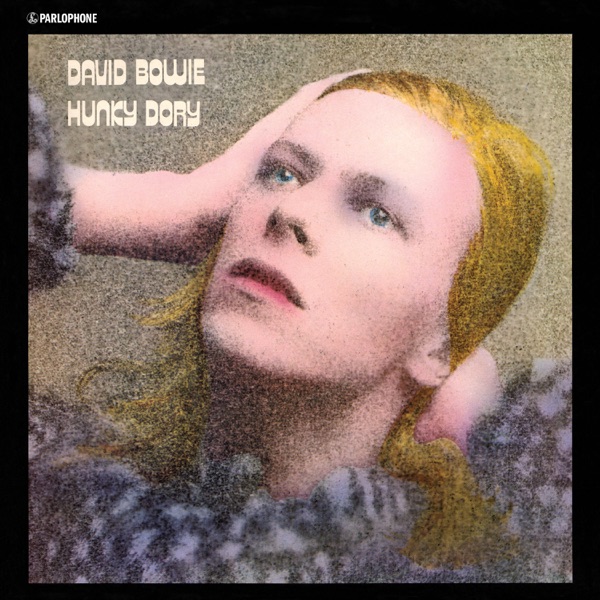
Hunky Dory
David Bowie
A contemporary glam rock classic with strong piano elements and theatrical vocals that parallel Elton's artistic ambitions during this era.

A Night at the Opera
Queen
Delivers theatrical, genre-blending rock with elaborate arrangements and multi-tracked vocals similar to the ambitious production of Goodbye Yellow Brick Road.
Also Appears On
Essential Classic Rock on Vinyl
“Double album, zero filler. 'Bennie and the Jets,' 'Candle in the Wind,' 'Saturday Night's Alright for Fighting.' Bernie Taupin and Elton operating at a level that made it look effortless.”
Rolling Stone's 500 Greatest Albums of All Time
“A double album with no filler — 'Bennie and the Jets,' 'Candle in the Wind,' 'Saturday Night's Alright' are all on the same record. Elton at peak flamboyance and peak songwriting simultaneously.”
Dexx's Top 100 Vinyl Albums of All Time
“This double album sits at sixty because it's the perfect gateway drug to serious collecting—accessible enough for anyone who loves great songwriting, but deep enough to reward repeated needle drops. That 1973 MCA pressing has this particular warmth that makes "Tiny Dancer" and "Bennie and the Jets" feel newly discovered each time. Elton's range across both sides, from the introspective title track to full-throttle rock moments, shows why he dominated the seventies. It's essential wax, but not quite top-tier only because the catalog around it offers rawer innovation—though honestly, that first pressing might just change your mind.”
Own this record? Track it in your collection.