#6 of 100
· Apple Music
Songs in the Key of Life
Stevie Wonder
Year
1976
Genre
Soul/R&BLabel
Tamla
Format
Vinyl LP
“Stevie Wonder's double album masterpiece sits comfortably in the top tier, and Apple Music nailed the placement. The breadth here is staggering—from the synth-driven "Sir Duke" to the devastating acoustic intimacy of "Isn't She Lovely"—yet it never feels bloated. What gets me is how this record proves you can make something both commercially massive and artistically uncompromising; those Moog and ARP synths don't chase trends, they define them. Landing at number six feels right because while it's undeniably essential listening, plenty of other titans deserve recognition too. This is the kind of album that rewards patient needle drops on both sides.”
Stevie Wonder (born Stevland Morris, 1950) is a legendary multi-instrumentalist and singer-songwriter who became one of the most influential musicians of the 20th century despite losing his sight at infancy. Rising to prominence as a child prodigy at Motown Records in the 1960s, he achieved unprecedented creative control over his work in the 1970s, a decade that produced some of his most celebrated albums including Music of My Mind (1972), Innervisions (1974), and Songs in the Key of Life (1976). His mastery of keyboards, harmonica, and percussion, combined with his sophisticated songwriting and production skills, revolutionized soul and R&B music. Wonder continued innovating through the 1980s and beyond, earning 28 Grammy Awards and cementing his status as one of the most respected artists in popular music history.
Style
Wonder's sound blends soul, R&B, funk, and pop with jazz and world music influences, characterized by his virtuosic keyboard playing, rich vocal harmonies, and complex arrangements that showcase sophisticated harmonic structures and rhythmic innovation.
Significance
Stevie Wonder is essential to vinyl collectors as a pioneering artist who demonstrated artistic autonomy within the major label system and whose albums from the 1970s are considered masterpieces of contemporary music, consistently appearing on lists of greatest albums ever recorded and representing peak-era Motown soul and progressive R&B.
Songs in the Key of Life, released in September 1976, was Stevie Wonder's magnum opus and the culmination of three years of intensive work. Recorded primarily at the Hit Factory in New York and Record Plant Studios in Los Angeles, the album showcased Wonder's extraordinary production capabilities and musical vision. He played most instruments himself—keyboards, harmonica, drums, and percussion—while collaborating with arrangers John Fischbach and Greg Phillinganes. The double album (plus a bonus 7-inch single) reflected Wonder's ambition to create a comprehensive artistic statement, touching on themes of love, spirituality, social consciousness, and the human condition. The recording process was meticulous, with Wonder experimenting extensively with synthesizers and layered arrangements to achieve his desired sound.
Historical Context
Released during the height of the 1970s soul and funk era, Songs in the Key of Life arrived as Stevie Wonder was at peak creative power following his earlier masterpieces Innervisions and Fulfillingness' First Finale. The album's release was monumental—a double album plus bonus single was an unusual commercial gamble that paid off handsomely. Critics hailed it as a landmark achievement, with Rolling Stone praising its scope and sophistication. The album won Grammy Awards for Best Album of the Year and established Wonder as not just a performer but a visionary artist-producer. It dominated charts globally and remains one of the best-selling albums of the 1970s.
Pressing Notes
The original 1976 Tamla/Motown pressing is highly coveted by collectors. Early pressings feature the bonus 7-inch single included in gatefold packaging, though availability of pristine copies with the single intact is limited. The vinyl quality varies between pressings—some original pressings suffer from heavy surface noise, while others are remarkably clean. Reissue pressings from the 2000s onwards generally offer improved sound quality and consistency. Collectors should seek original two-LP pressings with the bonus single for authenticity, though condition should be carefully examined. The gatefold artwork and lyric insert add significant value to complete original copies.

What's Going On
Marvin Gaye
A landmark soul album with lush orchestration and socially conscious lyrics that shares Stevie Wonder's sophisticated production and emotional depth.
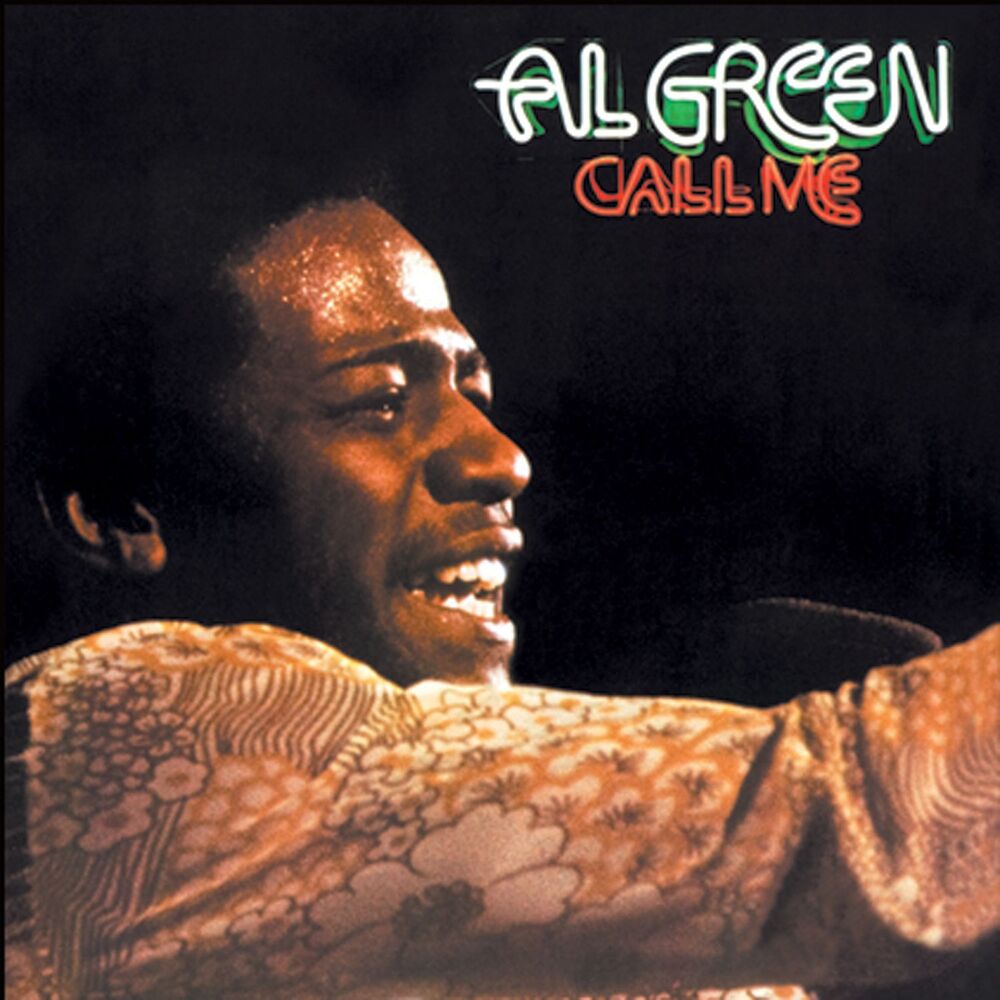
Call Me
Al Green
Features the same warm, soulful vocal delivery and smooth instrumental arrangements that define Stevie Wonder's approach to classic soul.
Also Appears On
Own this record? Track it in your collection.