#44 of 100
· Apple Music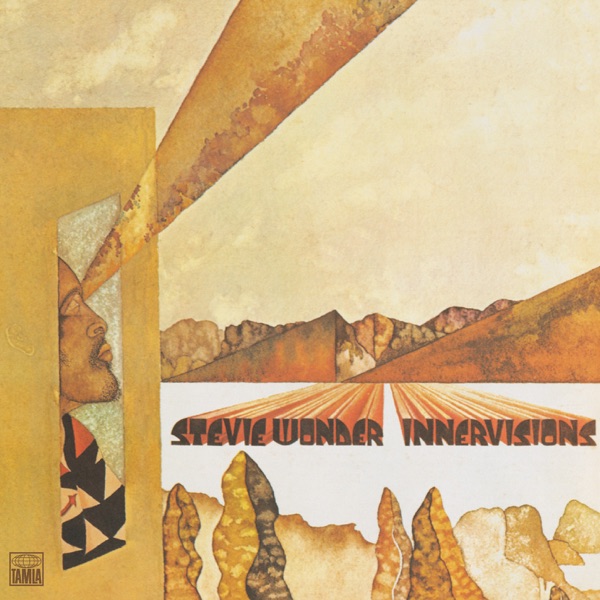
“Innervisions at 44 feels right, honestly—it's the album where Wonder fully shed any remaining pop constraints and went deep into his own vision. That run from "Golden Lady" through "He's A Child" showcases production and arranging that still sounds ahead of its time; the way those strings and synths breathe around his harmonica work is pure craft. Some collectors argue this edges out Music of My Mind as his definitive early-70s statement, and you can make that case if you're chasing lyrical depth and sonic ambition. A first pressing of this one sounds absolutely pristine if you find it properly cared for.”
Stevie Wonder (born Stevland Morris, 1950) is a legendary multi-instrumentalist and singer-songwriter who became one of the most influential musicians of the 20th century despite losing his sight at infancy. Rising to prominence as a child prodigy at Motown Records in the 1960s, he achieved unprecedented creative control over his work in the 1970s, a decade that produced some of his most celebrated albums including Music of My Mind (1972), Innervisions (1974), and Songs in the Key of Life (1976). His mastery of keyboards, harmonica, and percussion, combined with his sophisticated songwriting and production skills, revolutionized soul and R&B music. Wonder continued innovating through the 1980s and beyond, earning 28 Grammy Awards and cementing his status as one of the most respected artists in popular music history.
Style
Wonder's sound blends soul, R&B, funk, and pop with jazz and world music influences, characterized by his virtuosic keyboard playing, rich vocal harmonies, and complex arrangements that showcase sophisticated harmonic structures and rhythmic innovation.
Significance
Stevie Wonder is essential to vinyl collectors as a pioneering artist who demonstrated artistic autonomy within the major label system and whose albums from the 1970s are considered masterpieces of contemporary music, consistently appearing on lists of greatest albums ever recorded and representing peak-era Motown soul and progressive R&B.
Innervisions, released in 1973, showcased Stevie Wonder at the height of his creative powers during his most artistically fertile period. Recorded primarily at the famous Record Plant studio in Los Angeles, the album featured Wonder playing virtually all instruments himself—a demonstration of his virtuosic command across keyboards, harmonica, drums, and percussion. Working with producer John Fischel and engineer Gary Olazabal, Wonder crafted a cohesive sonic landscape that blended funk, soul, jazz, and progressive rock influences. The album's conceptual depth reflected Wonder's growing artistic ambition following his landmark contract renegotiation with Motown, which gave him unprecedented creative control. Key collaborators included Jeff Beck on guitar for the track "Higher Ground" and various session musicians, though Wonder's dominance as performer and composer remained central to the album's identity.
Historical Context
Innervisions arrived during a transformative moment in soul and funk music, competing alongside other landmark 1973 releases like Marvin Gaye's Let's Get It On and Curtis Mayfield's Pusherman. The album resonated with listeners seeking sophisticated, socially aware funk that didn't sacrifice danceability for artistic depth. It won the Grammy Award for Album of the Year in 1975, cementing Wonder's status as a major force in contemporary music. The album's blend of accessibility and experimental production influenced the emerging disco and progressive soul movements. Wonder's visual impairment made his instrumental mastery particularly remarkable to critics and audiences, challenging assumptions about musical capability and earning widespread critical acclaim.
Pressing Notes
The original 1973 Motown pressing (M7-326S1) is highly sought by collectors, particularly early stereo copies. The album has been reissued multiple times across different vinyl formats, including Japanese pressings known for superior sound quality. Collectors should note that early pressings vary in mastering and pressing quality; original Motown pressings from the first year generally command premiums. The album has been reissued on 180-gram vinyl in the 2000s-2010s, with audiophile-oriented labels providing modern pressings. Condition is crucial—clean original pressings can be significantly more expensive. Collectors should verify pressing matrices on the runout grooves to authenticate first pressings and identify reissues from specific eras.

What's Going On
Marvin Gaye
A landmark soul album from the same era with lush orchestration, introspective lyrics, and Gaye's smooth vocal delivery that shares Innervisions' deep emotional resonance.

Superfly
Curtis Mayfield
This soundtrack combines socially conscious storytelling with sophisticated funk and soul arrangements, matching Innervisions' blend of musicianship and meaningful content.
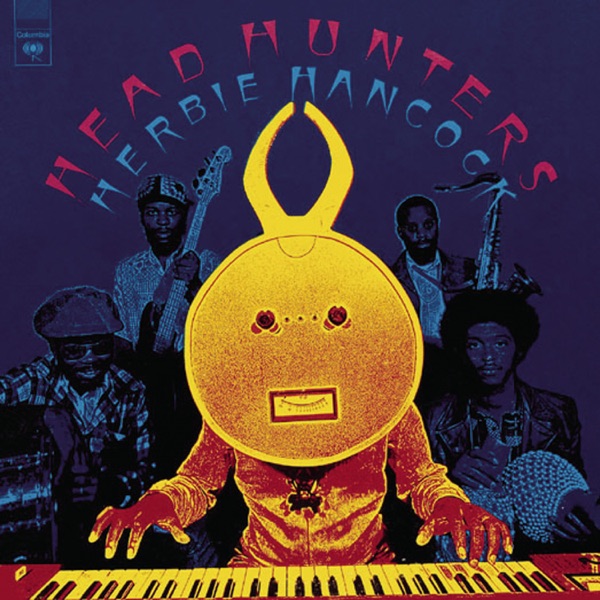
Head Hunters
Herbie Hancock
A funky, jazz-inflected soul album with innovative synthesizer work that complements Innervisions' experimental approach to R&B and soul production.
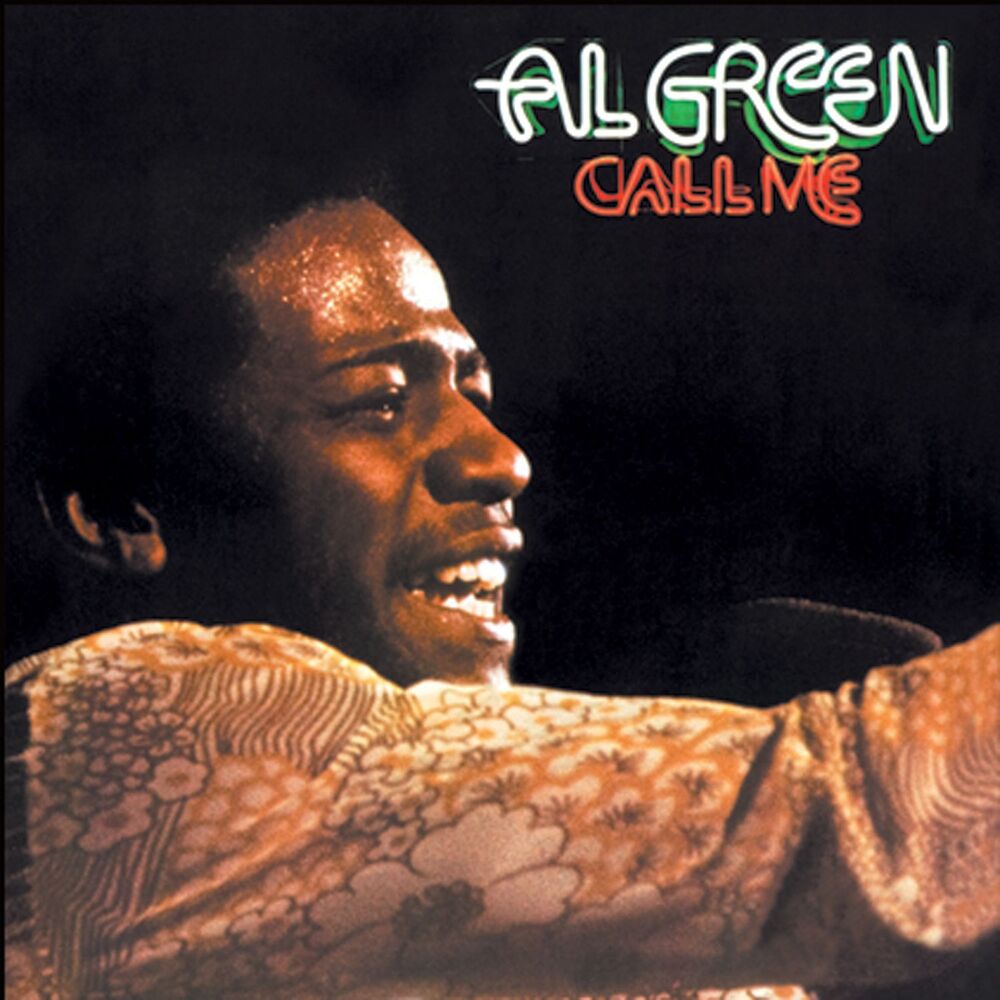
Call Me
Al Green
A masterclass in soulful vocal performance and smooth production that shares Innervisions' warmth, vulnerability, and impeccable musicianship.
Also Appears On
Rolling Stone's 500 Greatest Albums of All Time
“Stevie played nearly every instrument himself and created a record that's equal parts social commentary and sonic innovation. The Tamla pressing is a masterclass in '70s production — warm, funky, and political without being preachy. Three days after its release, Stevie was in a near-fatal car accident. The album endures.”
Essential Soul & Funk on Vinyl
“Stevie at 23, playing everything, saying everything. 'Living for the City' is a five-minute film. 'Higher Ground' is pure funk. 'Golden Lady' is pure beauty.”
Dexx's Top 100 Vinyl Albums of All Time
“I placed Innervisions at #3 because it's the rare album that perfects almost every element — sonically, lyrically, and structurally. Stevie's synth arrangements on tracks like "Higher Ground" and "Living for the City" set the template for modern soul production, while his harmonica work remains untouchable. The album flows like a conversation between innovation and humanity, never sacrificing warmth for technical brilliance. Any first pressing of this one is worth seeking out; those warm Moogs and crisp drums deserve good wax.”
Own this record? Track it in your collection.