#9 of 25
· Cratewise Editorial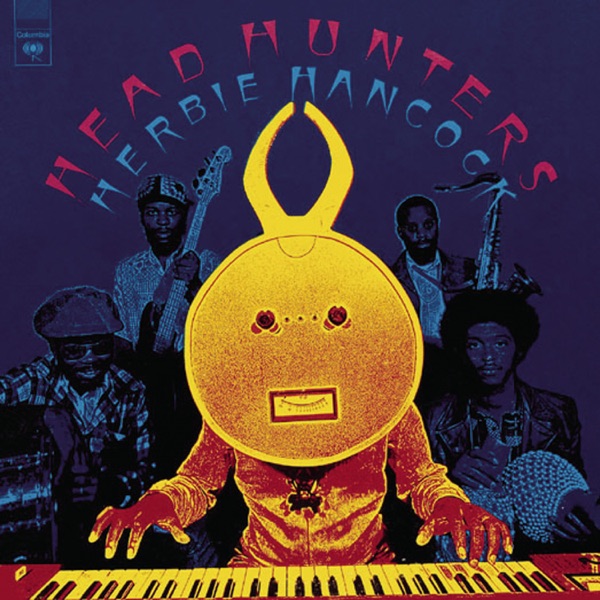
“The album that bridged jazz and funk. 'Chameleon' has one of the most recognizable bass lines in music history. Purists hated it. Everyone else danced.”
Herbie Hancock is an American jazz pianist and composer who emerged as a prominent figure in 1960s modal jazz before pioneering jazz fusion in the 1970s. He began his career as a sideman with Miles Davis, appearing on the landmark album 'Kind of Blue' (1959) and collaborating extensively during Davis's second great quintet era. His solo career produced essential albums including 'Maiden Voyage' (1965), 'Secrets' (1974), and the funk-fusion landmark 'Head Hunters' (1973), which became one of the best-selling jazz albums of all time. Hancock's ability to synthesize classical training, bebop sophistication, and contemporary electronic music established him as a central figure in bridging jazz and popular music.
Style
Hancock's sound evolved from post-bop jazz piano to electro-funk and fusion, characterized by sophisticated harmonic sensibilities, pioneering Fender Rhodes electric piano work, and innovative use of synthesizers. His style seamlessly blends jazz improvisation with infectious grooves and rhythmic complexity.
Significance
Hancock's extensive discography and stylistic range make his vinyl records highly collectible, spanning from essential Blue Note releases to sought-after fusion albums. His influence on both acoustic and electric jazz is immense, making original pressings of his most experimental work particularly valuable to serious collectors.
Head Hunters, released in 1973, marked Herbie Hancock's definitive turn toward funk and electric jazz fusion. Recorded at the Record Plant in Los Angeles, the album featured Hancock's innovative use of the Fender Rhodes piano, Hohner clavinet, and synthesizers alongside a tight rhythm section of drummer Mike Clark, bassist Paul Jackson, and percussionist Bill Summers. The sessions were collaborative and groove-focused, with Hancock drawing inspiration from the emerging funk movement while maintaining his jazz sophistication. The album's centerpiece, the instrumental "Chameleon," became a signature track with its hypnotic bassline and infectious pocket. The creative synergy among the band members—particularly Jackson's bass playing—transformed Hancock's sound into something that appealed equally to jazz purists and funk enthusiasts, establishing the blueprint for his commercial success in the 1970s.
Historical Context
Head Hunters arrived at a pivotal moment when jazz was fragmenting into multiple directions. The early 1970s saw growing interest in funk and soul, and Hancock's embrace of these elements positioned him at the forefront of a new fusion aesthetic. The album was a massive commercial success, becoming one of the best-selling jazz albums of the era and reaching platinum status. It influenced countless musicians and demonstrated that jazz innovation could thrive in the popular mainstream. The album also reflected the technological optimism of the period, showcasing how synthesizers and electric instruments could expand jazz's sonic palette.
Pressing Notes
Head Hunters was originally released on Columbia Records (KC 32731) and has appeared in multiple pressings across decades. Early 1970s pressings are highly sought by collectors for their superior sound quality and original gatefold artwork. The album has been reissued numerous times, including a 1985 CBS reissue and later 180-gram audiophile editions from Mobile Fidelity Sound Lab and other labels. Japanese pressings from the mid-1970s are particularly prized for their quality. Collectors should note that mono vs. stereo variations exist, with stereo being the standard. The original LP featured innovative artwork by Niklaus Schroeter. Reissue quality varies significantly, so vintage original pressings command higher prices among serious collectors.

Also Appears On
Own this record? Track it in your collection.