#38 of 100
· Apple Music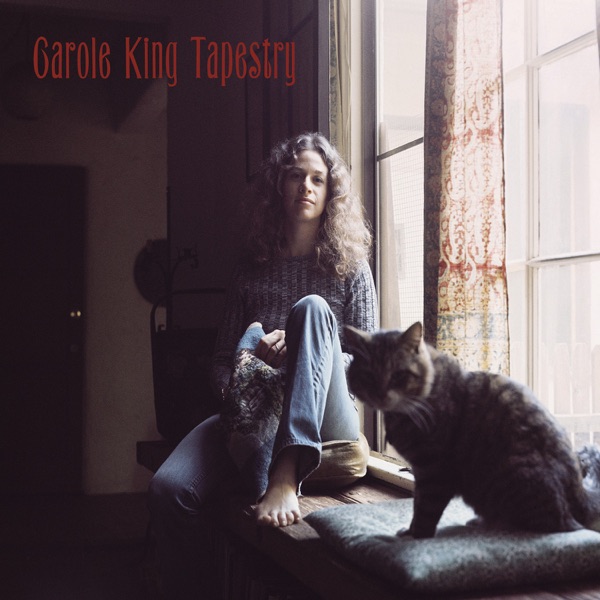
“Tapestry at #38 feels right—this is genuinely one of the most important singer-songwriter records ever pressed, and "It's Too Late" still hits like a needle drop that stops the room. King's piano-driven arrangements on tracks like "So Far Away" and the title cut showcase a masterclass in melodic economy that influenced generations of pop writers. It's essential listening, though I'd argue some years it deserves to climb higher depending on who's voting. A record that works equally well as background ambiance or the sole focus of your listening session.”
Carole King (born Carol Joan Klein in 1942) emerged as one of the most prolific and influential singer-songwriters of the 20th century. Initially successful as a songwriter for the Brill Building in the early 1960s, she co-wrote numerous hits for artists like The Shirelles, The Everly Brothers, and Aretha Franklin before launching her solo career. Her 1971 album "Tapestry" became a cultural phenomenon, spending 15 weeks at number one and becoming one of the best-selling albums of all time. King's subsequent releases including "Rhymes & Reasons" (1970) and "Music" (1971) solidified her status as a masterful performer and composer. Her ability to blend pop, rock, folk, and soul influences created a timeless sound that defined the early 1970s singer-songwriter movement.
Style
Carole King's music spans pop, rock, folk, and soul with intimate vocal delivery and sophisticated piano arrangements. Her style is characterized by emotionally transparent songwriting, memorable melodies, and organic instrumentation that emphasizes her piano work.
Significance
King is a foundational figure for vinyl collectors interested in 1970s singer-songwriter classics and remains one of the best-selling female artists in vinyl history. Her albums, particularly "Tapestry," are essential recordings for understanding the era and continue to be sought after by collectors for their sonic clarity and emotional resonance on vinyl.
Tapestry, released in February 1971, marked Carole King's transition from celebrated songwriter to solo artist. King, who had written hits for other artists throughout the 1960s (including "(You Make Me Feel Like) A Natural Woman" and "Will You Love Me Tomorrow"), recorded this album at A&M Studios in Los Angeles with producer Lou Adler. The sessions were remarkably intimate, featuring King on piano and vocals with a sparse arrangement that included guitarist James Taylor, bassist Charles Larkey (King's then-husband), and minimal overdubs. The album showcases King's masterful songwriting and vulnerable vocal delivery, with songs like "I Feel the Earth Move" and "So Far Away" becoming instant classics. The creative process emphasized authenticity and emotional directness, capturing King's artistry in its purest form.
Historical Context
Tapestry arrived during a pivotal moment in popular music when singer-songwriters were gaining prominence and introspection was valued over production spectacle. The album resonated deeply with audiences seeking genuine emotional expression, particularly among women listeners who connected with King's honest lyrics about relationships and independence. It became a phenomenon, spending 15 weeks at number one on the Billboard 200 and becoming one of the best-selling albums of all time, with over 15 million copies sold worldwide. The album's success validated the singer-songwriter model and elevated King's profile from behind-the-scenes talent to mainstream superstar, influencing countless artists who followed.
Pressing Notes
The original 1971 pressing on Ode Records (SP-77009) is highly sought after by collectors, particularly early stereo copies with the gatefold jacket featuring King's contemplative portrait. Variations exist in early pressings regarding label designs and matrix numbers. The album has been reissued multiple times, including a notable 2012 remaster and various anniversary editions. Original vinyl copies in good condition command premium prices, especially mono and early stereo pressings. Collectors should note that this album's cultural significance and commercial success mean numerous pressings exist; original 1970s pressings are preferred for sound quality and historical value.

Blue
Joni Mitchell
A confessional singer-songwriter masterpiece with intimate acoustic arrangements and emotional vulnerability that parallels Tapestry's introspective songwriting.

Sweet Baby James
James Taylor
Features warm, melodic acoustic guitar work and personal storytelling that shares the same gentle folk-pop sensibility as Tapestry.

First Take
Roberta Flack
Features intimate vocal performances with subtle instrumental arrangements that capture the same emotional authenticity and accessible sophistication as Tapestry.
Also Appears On
Rolling Stone's 500 Greatest Albums of All Time
“Carole King had been writing hits for other people for a decade. Then she sat down at a piano and recorded her own versions and outsold all of them combined. The Ode Records pressing is intimate and unadorned — just songs so well-crafted they sound like they've always existed.”
Dexx's Top 100 Vinyl Albums of All Time
“Tapestry lands at fifty because it's the rare album that somehow transcends its own perfection — every needle drop yields another reason why this became the blueprint for intimate pop production. King's piano work on "It's Too Late" and "So Far Away" defined an entire era of how to make vulnerability sound effortless, and the stripped-down arrangements proved you don't need orchestras when your melodies and lyrics are this strong. I'd argue this album single-handedly made the singer-songwriter blueprint commercially viable, and that cultural weight alone demands its place in any serious collection.”
The Sunday Morning 25
“'I Feel the Earth Move' wakes you up gently. 'So Far Away' keeps you in the chair. The whole album is warm, personal, and as comfortable as a favorite sweater.”
Own this record? Track it in your collection.