#84 of 100
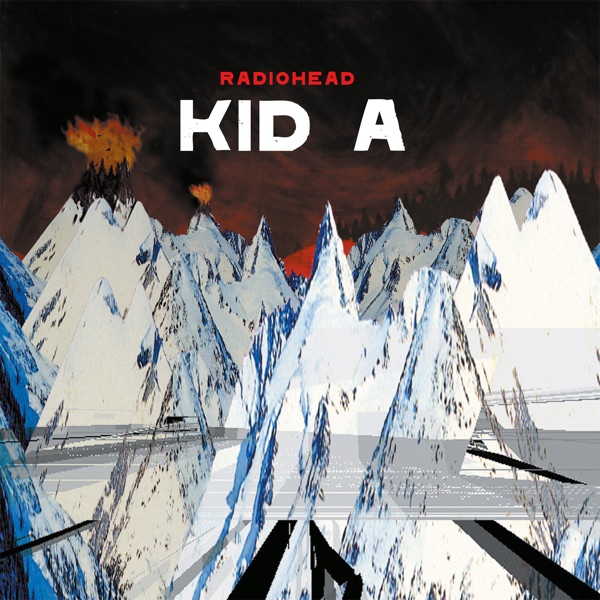
“Kid A lands here because it's the moment Radiohead stopped playing guitar rock and started making architecture. That 2000 Parlophone pressing still captures Thom Yorke and Nigel Godrich's obsessive studio work—the glitchy electronics and orchestral arrangements hit different on wax than through speakers. It's essential listening, but honestly, it sits lower on my list than OK Computer because the cold, almost sterile production can feel distant on a needle drop. Pure innovation deserves the ranking, even if it demands patience from the listener.”
Radiohead formed in Oxford, England in 1985, initially as On a Friday before changing their name in 1991. The band achieved mainstream success with their debut album "Pablo Honey" (1994), featuring the hit single "Creep," but transcended one-hit-wonder status with the critically acclaimed "The Bends" (1995). Their third album "OK Computer" (1997) marked a watershed moment, establishing them as visionary artists willing to deconstruct rock music itself. Following this trajectory, "Kid A" (2000) and "Amnestic" (2001) further pushed boundaries with electronic experimentation and abstract songwriting. Subsequent albums including "In Rainbows" (2007), released independently with a pay-what-you-wish model, and "The King of Limbs" (2011) continued their evolution. Their catalog represents one of modern rock's most ambitious artistic arcs.
Style
Radiohead's sound evolved from alternative rock foundations into art rock characterized by complex arrangements, electronic elements, atmospheric production, and introspective lyrics. Their work spans guitar-driven rock, experimental electronic music, and chamber pop influences.
Significance
Radiohead revolutionized modern rock music and influenced countless artists across multiple genres. For vinyl collectors, their albums represent landmark achievements in production quality and artistic innovation, with "OK Computer" and "In Rainbows" particularly valued for their sonic depth and packaging design.
Kid A marked a dramatic departure for Radiohead, recorded primarily at their own studio Courtyard and various European locations between 1999 and 2000. Following the massive success of OK Computer, the band deliberately pursued a more electronic, experimental direction, influenced by Autechre, Warp Records artists, and classical composition. Thom Yorke's vocals were often processed and obscured, while Jonny Greenwood incorporated orchestral arrangements and electronic textures. The album was constructed through lengthy studio sessions where the band deconstructed and rebuilt songs, with producer Nigel Godrich guiding them toward abstraction. The recording process was deliberately anti-commercial, with the band rejecting conventional song structures and embracing ambiguity.
Historical Context
Released in October 2000, Kid A arrived at the peak of the post-OK Computer anticipation and the height of experimental electronic music's cultural relevance. The album's release strategy was unconventional—Radiohead released it simultaneously with Amnestic, withholding advance copies and rejecting traditional promotion. Kid A debuted at number one in the UK but polarized audiences expecting another OK Computer. Critics praised its ambition and prescience, recognizing it as one of the most forward-thinking rock albums of its era. The release coincided with peak Napster era music piracy, and the band's relaxed stance on early leaks became culturally significant.
Pressing Notes
The original 2000 UK Capitol/Parlophone pressing on 180g vinyl is highly sought by collectors. Early pressings vary in sound quality; later 180g reissues from around 2009 onward offer improved fidelity. The 2016 remaster pressed by Optimal in Germany is considered definitive by many collectors for clarity and dynamic range. Japanese pressings from the original era command premium prices. Collectors should note that different pressings have subtle but noticeable sonic variations due to mastering differences. Original first pressings are identifiable by specific matrix numbers and tend toward warmer, slightly compressed sonics compared to later remasters.
Also Appears On
Rolling Stone's 500 Greatest Albums of All Time
“Radiohead followed up the biggest guitar rock album of the '90s by destroying everything that made it work. No singles, no guitars on half the tracks, and it debuted at number one anyway. 'Everything in Its Right Place' is the mission statement for an album that rewrote the rules.”
Apple Music 100 Best Albums
“Kid A at 33 feels about right—it's the album that split the fanbase but ultimately proved Radiohead's vision was bulletproof. Coming straight after OK Computer's overwhelming success, they buried the lead by opening with "Everything in Its Right Place," a synth-led meditation that basically said "we're going electronic now, deal with it." The production work from Nigel Godrich is immaculate throughout, especially on "The National Anthem" and "How to Disappear Completely," where every texture serves the song's architecture. It's aged beautifully, partly because it doesn't sound dated—just timeless, which is harder to pull off than nostalgia. This ranking respects that Kid A wasn't the safe choice but proved to be the visionary one.”
Own this record? Track it in your collection.