#38 of 100
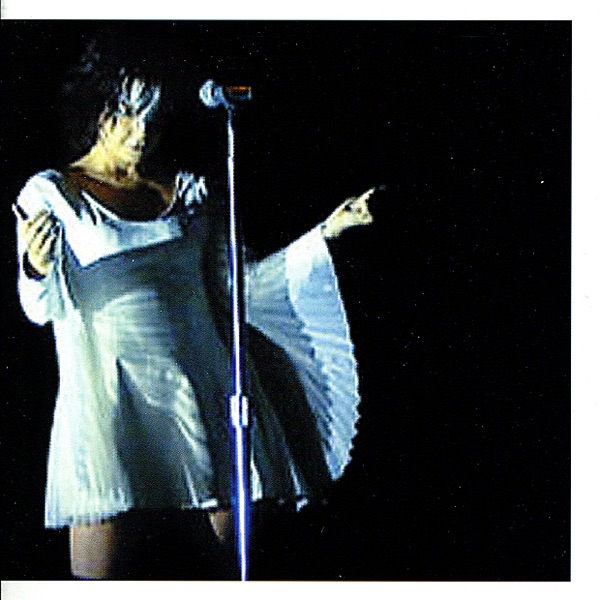
“Homogenic lands here because it's the moment Björk fully weaponized the studio itself as an instrument. This isn't just electronic music—it's a controlled explosion of strings, drums, and her voice arranged to sound almost orchestral yet completely synthetic. The One Little Independent pressing is lush and dynamic, and tracks like "Hunter" and "All Is Full of Love" showcase her gift for marrying avant-garde production with genuine emotional weight. It's essential listening for anyone who thinks electronic music needs to choose between experimental and accessible.”
Björk Guðmundsdóttir emerged from Iceland's vibrant post-punk scene in the 1980s with the band The Sugarcubes, whose 1988 debut album brought her provocative artistry to international attention. After the group disbanded in 1992, she launched a groundbreaking solo career that redefined pop music's boundaries. Her albums—particularly Debut (1993), Post (1995), Homogenic (1997), and Vespertine (2001)—showcased her evolution from electronica-influenced pop to orchestral experimentation and intimate electronic production. Björk's later works including Biophilia (2011), Vulnicura (2015), and Utopia (2017) continued her fearless sonic exploration, often incorporating natural sounds, avant-garde production techniques, and innovative collaborations with producers like Arca and Ólafur Arnalds.
Style
Björk's sound defies easy categorization, blending electronic production, orchestral arrangements, avant-garde experimentation, and Icelandic folk influences. Her distinctive soprano voice and unconventional song structures have made her a defining artist of experimental pop and electronic music.
Significance
Björk stands as one of vinyl's most artistically ambitious contemporary artists, with her albums highly sought by collectors for their innovative production, striking cover art, and sonic complexity. Her releases represent some of the most creatively ambitious pop records ever pressed to vinyl, appealing to collectors who value artistic vision and sonic experimentation.
Homogenic, released in 1997, marked Björk's second solo album and represented a dramatic artistic evolution from Debut. Working primarily with producer Markus Dravs and collaborators including Mark Bell and Howie B, Björk crafted a more introspective and orchestral sound. The album was recorded across multiple studios in Iceland, London, and New York, with Björk experimenting extensively with string arrangements—notably orchestrated by Eumir Deodato—and electronic production techniques. The creative process was deeply personal; Björk has described the album as dealing with themes of love, vulnerability, and isolation. Her relationship with musician Matthew Barney influenced much of the work, and the album's sonic palette reflects her desire to merge organic orchestral elements with cutting-edge electronic production, creating a uniquely Icelandic sensibility that would define her artistic identity.
Historical Context
Homogenic arrived during the late 1990s electronic music boom, yet Björk's approach stood apart from mainstream techno and drum and bass trends. The album received critical acclaim for its ambitious fusion of classical and electronic elements, establishing Björk as a serious artist rather than a pop novelty. It reached number 4 on the UK Albums Chart and gained significant alternative radio play. The album's aesthetic—both sonically and visually—helped define late-90s avant-garde pop culture and influenced the direction of electronic music toward more emotional, orchestral arrangements. The accompanying music videos, particularly for 'All Is Full of Love,' became iconic moments in MTV history.
Pressing Notes
The original One Little Indian Records LP pressing featured gatefold artwork by M/M Paris. Early UK and European pressings are highly sought by collectors. The album has been reissued multiple times, including a 2010 remaster on 180-gram vinyl with improved audio quality. Collectors should note that the UK original pressing from 1997 can command premium prices. A deluxe edition with additional material was released in later years. The 180-gram reissues are generally preferred for sound quality, though original first pressings remain desirable for their historical value and original packaging design, which represents important late-90s graphic design.

Also Appears On
Apple Music 100 Best Albums
“Homogenic's placement here feels right—this is where the album lands when you're ranking sheer ambition and sonic architecture. Björk and producer Timbaland created something that still sounds like it's from the future, especially on tracks like "Hunter" and "All Is Full of Love." The string arrangements are operatic, the production is crystalline, and there's this undeniable tension between organic and digital that makes every needle drop feel essential. It's not her most accessible work, but it might be her most fearless—and that's exactly why it belongs in the conversation.”
Rolling Stone's 500 Greatest Albums of All Time
“Björk fused Icelandic strings with electronic beats and created something that sounds like glaciers breaking apart. 'Jóga' is the emotional center. The One Little Indian pressing is volcanic.”
Essential Electronic on Vinyl
“Glaciers, volcanoes, strings, and distorted beats. Björk turned Iceland into a sonic language. 'Jóga' is the most physically overwhelming pop song ever mixed.”
Own this record? Track it in your collection.