#10 of 100
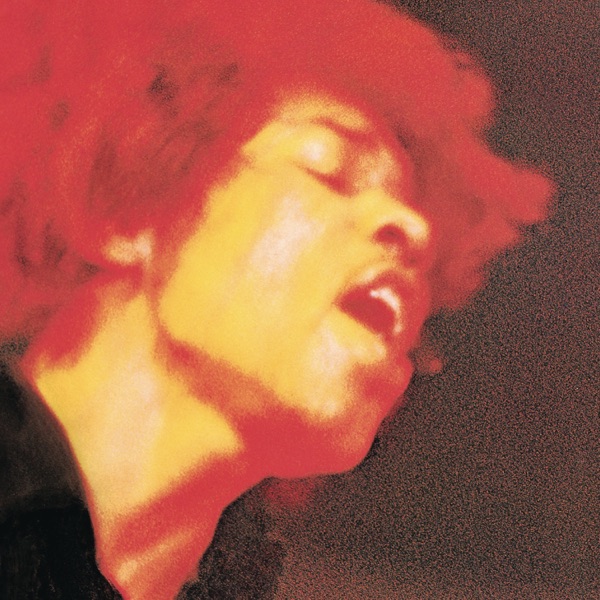
“Electric Ladyland lands here because it's the moment Hendrix fully weaponized the studio itself—a sprawling, psychedelic masterpiece that proves guitar heroics need a strong songwriting backbone to truly transcend. The double album's ambition is staggering: "All Along the Watchtower," "Voodoo Child," and the title track showcase different facets of genius, while deeper cuts reward repeated listens. That original Reprise pressing captures the analog warmth perfectly, and honestly, this sits at ten instead of higher only because his debut's raw power and Are You Experienced's historical weight edge it out slightly. But this is where Hendrix became fully realized—the album that made him indispensable rather than just sensational.”
Jimi Hendrix (1942-1970) revolutionized electric guitar playing and became one of rock music's most influential figures in an incredibly brief career. Born Johnny Allen Hendrix in Seattle, he honed his skills playing backup guitar for R&B acts before moving to London in 1966, where he formed the Jimi Hendrix Experience with bassist Noel Redding and drummer Mitch Mitchell. His debut album, 'Are You Experienced' (1967), introduced revolutionary guitar techniques including feedback manipulation, wah-wah effects, and left-handed playing styles that remain influential today. Following this breakthrough, Hendrix released 'Axis: Bold as Love' (1967) and the landmark 'Electric Ladyland' (1968), establishing himself as the era's preeminent guitarist. His iconic performance at Monterey Pop Festival (1967) cemented his status as a superstar.
Style
Hendrix pioneered psychedelic rock and hard rock, blending blues foundations with experimental electronic effects, distortion, and improvisational flair. His sound was characterized by innovative use of studio technology and his unprecedented mastery of electric guitar as a solo instrument.
Significance
Hendrix's influence on rock music and guitar playing is immeasurable; his albums are considered essential for any serious vinyl collector. His original pressings, particularly early UK releases on Polydor, are highly sought after by collectors, and his recordings showcase the sonic depth that makes vinyl an ideal format for his densely layered productions.
Electric Ladyland, Hendrix's third and final studio album released during his lifetime, was recorded primarily at the newly opened Electric Lady Studios in New York's Greenwich Village—a state-of-the-art facility co-owned by Hendrix and engineer Eddie Kramer. Recorded between April and August 1968, the double album showcased Hendrix's expanding sonic ambitions and studio experimentation. Working with Mitch Mitchell on drums and Billy Cox on bass, Hendrix explored layered production techniques, backward recordings, and innovative guitar effects. The album featured contributions from various session musicians and saw Hendrix taking greater control over the recording process. Key tracks like "All Along the Watchtower" (a Bob Dylan cover) and "Voodoo Child (Slight Return)" demonstrated his ability to reimagine material while the instrumental "1983... (A Merman I Should Turn to Be)" exemplified his experimental approach to studio production.
Historical Context
Released in October 1968, Electric Ladyland arrived during a transformative period in rock music when ambitious, studio-crafted albums were becoming the norm. The late 1960s psychedelic and progressive rock movements provided context for Hendrix's experimental approach. The album was a commercial and critical success, reaching number 1 on the Billboard 200 and establishing Hendrix as not just a performer but a serious studio innovator. It represented the peak of his creative output before his death in 1970, cementing his influence on generations of guitarists and producers.
Pressing Notes
The original 1968 Reprise Records pressing came in a gatefold sleeve featuring the iconic Peter Max-inspired artwork. Early pressings are highly sought by collectors; original stereo copies command premium prices, particularly copies with the textured gatefold and intact inserts. The album was reissued multiple times throughout the 1970s and 1980s with varying sound quality. Modern audiophile reissues, including Mobile Fidelity Sound Lab versions, have been released. Collectors should note that original pressings can vary in sound depending on pressing plant and lacquer source. The 2010 Legacy Edition remaster and 2016 Experience Hendrix reissue offer improved fidelity for those seeking quality listenings copies.
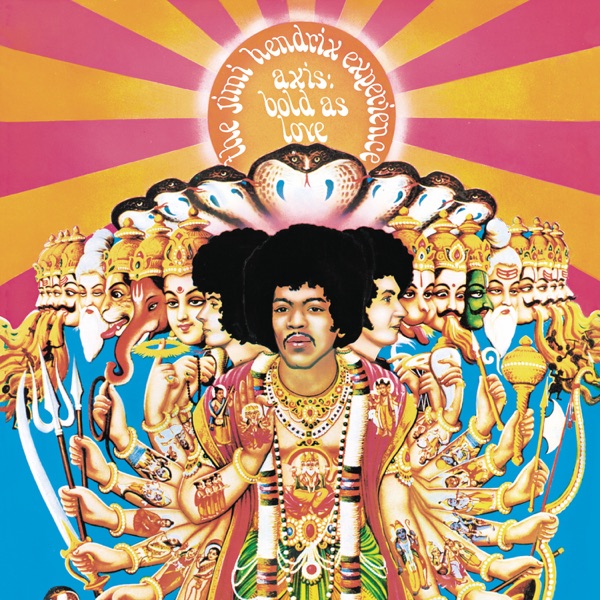
Axis: Bold as Love
The Jimi Hendrix Experience
A companion masterpiece featuring Hendrix's innovative guitar work and psychedelic rock production techniques from the same era.

Disraeli Gears
Cream
This psychedelic rock album shares Electric Ladyland's heavy use of studio effects, distortion, and experimental production with virtuosic musicianship.
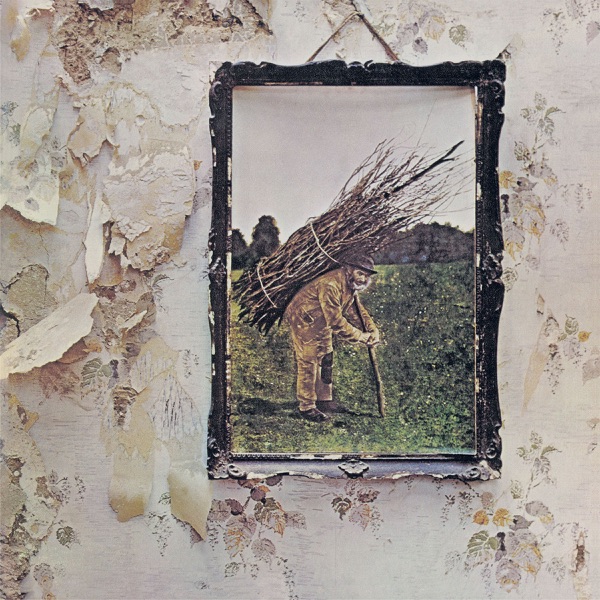
Led Zeppelin IV
Led Zeppelin
A heavy rock masterpiece with similarly ambitious arrangements, mystical atmospheres, and groundbreaking studio techniques from the same period.
Also Appears On
Essential Classic Rock on Vinyl
“The double album where Hendrix went from guitar hero to studio visionary. 'Voodoo Child (Slight Return)' is the heaviest thing recorded in the '60s. 'All Along the Watchtower' made Dylan jealous of his own song.”
Rolling Stone's 500 Greatest Albums of All Time
“#53 feels right for this one. Electric Ladyland is a product of the most creatively explosive decade in popular music, and Jimi Hendrix delivered something that still resonates. The Reprise pressing is worth tracking down — the power chord comes through in ways digital can't replicate.”
Own this record? Track it in your collection.