#6 of 25
· Cratewise Editorial
“'Superstition' and 'You Are the Sunshine of My Life' on one album. Original Tamla pressings show up under $10 regularly. New reissues under $15.”
Stevie Wonder (born Stevland Morris, 1950) is a legendary multi-instrumentalist and singer-songwriter who became one of the most influential musicians of the 20th century despite losing his sight at infancy. Rising to prominence as a child prodigy at Motown Records in the 1960s, he achieved unprecedented creative control over his work in the 1970s, a decade that produced some of his most celebrated albums including Music of My Mind (1972), Innervisions (1974), and Songs in the Key of Life (1976). His mastery of keyboards, harmonica, and percussion, combined with his sophisticated songwriting and production skills, revolutionized soul and R&B music. Wonder continued innovating through the 1980s and beyond, earning 28 Grammy Awards and cementing his status as one of the most respected artists in popular music history.
Style
Wonder's sound blends soul, R&B, funk, and pop with jazz and world music influences, characterized by his virtuosic keyboard playing, rich vocal harmonies, and complex arrangements that showcase sophisticated harmonic structures and rhythmic innovation.
Significance
Stevie Wonder is essential to vinyl collectors as a pioneering artist who demonstrated artistic autonomy within the major label system and whose albums from the 1970s are considered masterpieces of contemporary music, consistently appearing on lists of greatest albums ever recorded and representing peak-era Motown soul and progressive R&B.
Talking Book, released in October 1972, marked Stevie Wonder's creative breakthrough as a fully realized artist-producer. At just 22 years old, Wonder took greater control over the album's direction, playing nearly all instruments himself and co-writing most tracks. Recorded primarily at the Record Plant in Los Angeles, the album features Wonder's characteristic blend of soul, funk, and pop sensibilities. Key collaborators included producer John Fischbach and engineer John Guess. The album's most famous track, "Superstition," emerged from a spontaneous jam session and became one of Wonder's signature compositions. The Moog synthesizer, which Wonder had mastered, became a defining sonic element throughout the record, particularly on tracks like the harmonica-driven "You Are the Sunshine of My Life."
Historical Context
Talking Book arrived during a golden period of soul and funk innovation in the early 1970s, competing commercially with artists like Marvin Gaye and Curtis Mayfield. Despite Wonder's early fame as a child prodigy, this album represented his artistic maturation and commercial ascendance as a serious musician beyond novelty appeal. The album reached number 3 on the Billboard 200 and spawned multiple hit singles, including "Superstition" and "You Are the Sunshine of My Life." It received critical acclaim for its musicianship and production sophistication, helping establish Wonder as one of the era's most important creative voices.
Pressing Notes
Original pressings of Talking Book appeared on Tamla/Motown with variations in cover design and label configurations. Early 1970s pressings are highly sought by collectors. The album was reissued multiple times throughout the decades, including 1980s reissues and more recent audiophile pressings. Collectors should note that original gatefold editions with the innovative die-cut cover design (opening like a book) command premium prices. Mobile Fidelity Sound Lab produced a notable audiophile reissue. Modern 180-gram vinyl reissues are widely available but lack the sonic character of original pressings, which featured Motown's warm, distinctive mastering approach.

What's Going On
Marvin Gaye
A landmark soul album with lush orchestral arrangements and introspective lyrics that shares Talking Book's artistic depth and social consciousness.
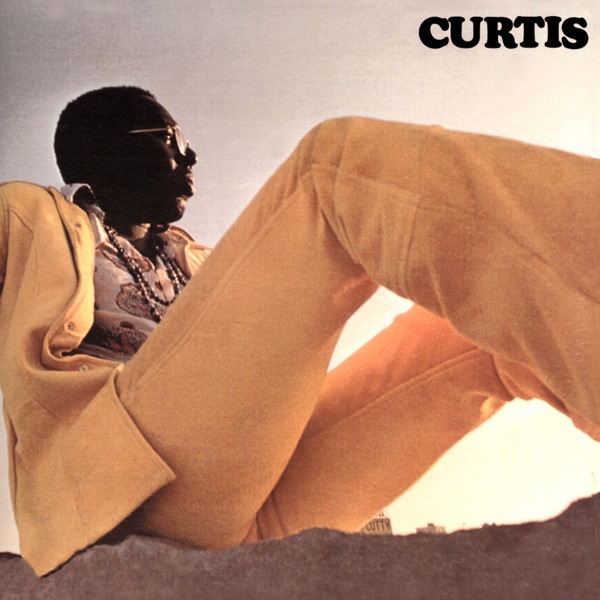
Curtis
Curtis Mayfield
Features similarly warm, layered soul production with Curtis's distinctive falsetto and socially aware songwriting that complements Talking Book's thematic richness.

Let's Stay Together
Al Green
Delivers the same intimate soul warmth and smooth musicianship with Hi Records' signature lush instrumentation that defines Talking Book's sound.
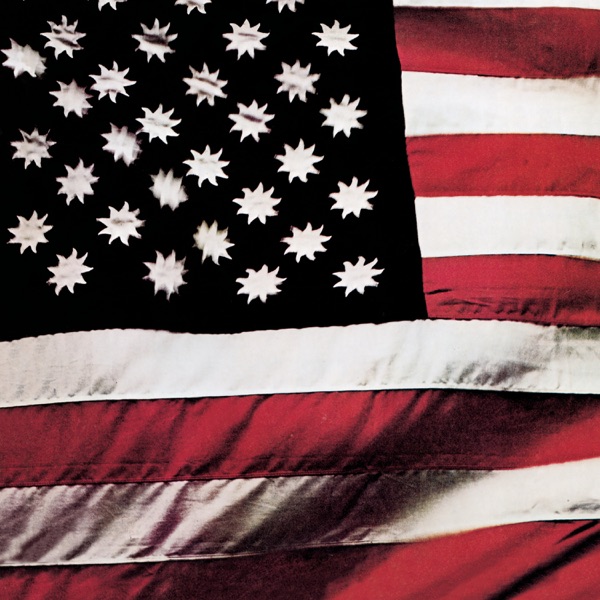
There's a Riot Goin' On
Sly and the Family Stone
Combines funk grooves with introspective soul sensibilities and innovative production techniques similar to Talking Book's genre-blending approach.
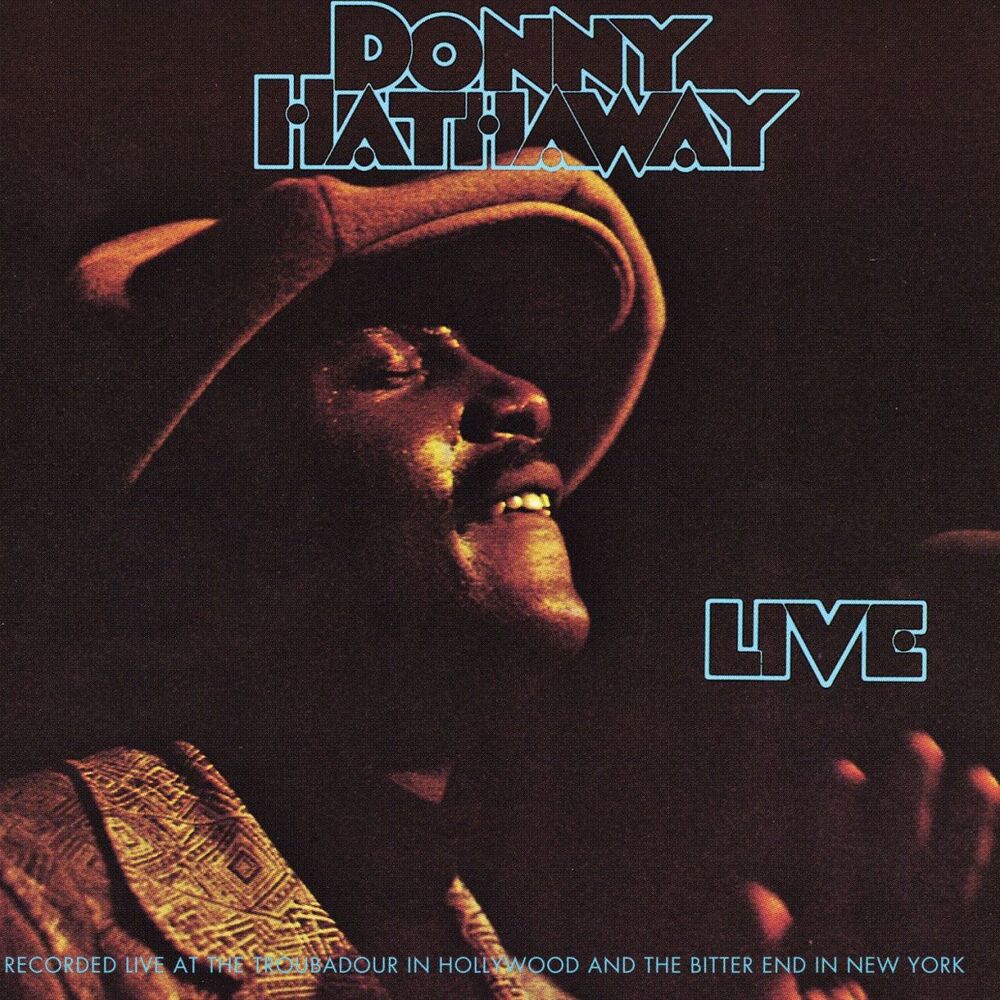
Live
Donny Hathaway
Showcases virtuosic musicianship and emotionally expressive vocals over sophisticated arrangements that match the soulful excellence of Talking Book.
Also Appears On
Own this record? Track it in your collection.