#25 of 25
· Cratewise Editorial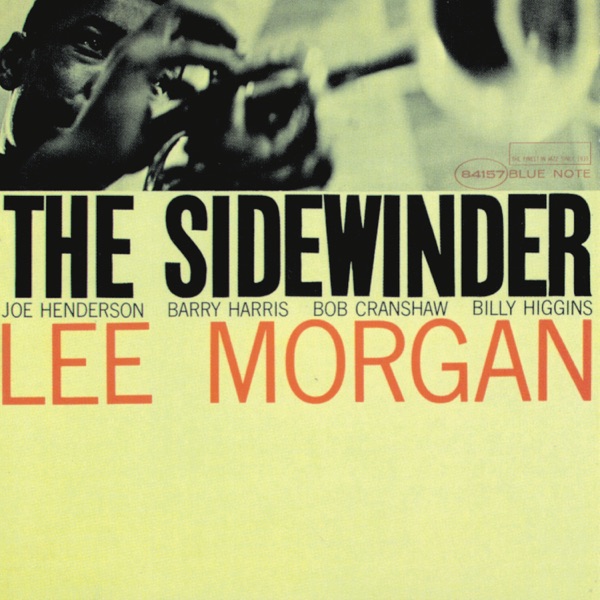
“The title track is the most fun hard bop composition ever written — a boogaloo groove that made it a jukebox hit. Blue Note Classic Vinyl reissue, under $15 on sale. Jazz that makes you move.”
Lee Morgan was an American jazz trumpeter born in 1938 in Philadelphia, who became one of the most influential hard bop musicians of the 1960s. He began his professional career in his teens, playing with various jazz ensembles before joining Art Blakey's Jazz Messengers in 1958, where he honed his bluesy, soulful trumpet style. Morgan's prolific recording career with Blue Note Records produced some of jazz's most essential albums, including 'The Sidewinder' (1964), which became his only major commercial hit and featured the iconic funky title track. His discography spans multiple decades, showcasing his evolution from hard bop pioneer to a musician who incorporated soul and funk influences. Morgan was tragically shot and killed in 1972 at age 33, but left behind a remarkable legacy of over 50 albums as a leader and countless side musician appearances.
Style
Lee Morgan is celebrated for his hard bop and soul jazz style, characterized by a warm, bluesy tone and lyrical melodic phrasing. His playing blended technical sophistication with accessible, groove-oriented compositions that appealed to both jazz purists and general audiences.
Significance
Morgan's Blue Note recordings are cornerstone albums for vinyl collectors, particularly 'The Sidewinder,' 'Search for the New Land,' and 'Cornbread,' representing the label's golden era. His prolific output and consistent quality make his discography essential for anyone building a hard bop and soul jazz vinyl collection.
The Sidewinder, recorded on December 2, 1963, at Van Gelder Studio in Englewood Cliffs, New Jersey, stands as one of Lee Morgan's most commercially successful and artistically vital works. The album's centerpiece is the funky, blues-inflected title track, which Morgan composed and which would become his signature tune. The recording features Morgan's trumpet in commanding form, backed by a stellar rhythm section including pianist Barry Harris, bassist Bob Cranshaw, and drummer Billy Higgins. Morgan's approach on this session was notably more soulful and accessible than some of his earlier hard bop work, incorporating elements of soul-jazz that would define much of his 1960s output. The session also produced other memorable compositions like 'Room 608' and 'Sidewinder,' showcasing Morgan's gift for writing catchy, memorable hooks that didn't sacrifice harmonic sophistication.
Historical Context
Released in 1964 on Blue Note Records, The Sidewinder arrived during a pivotal moment when hard bop was beginning to absorb soul-jazz and funk influences. The album was embraced by both jazz purists and a wider audience, with the title track becoming an unlikely radio hit and one of the best-selling jazz singles of the decade. This success helped establish Morgan as a major label artist and confirmed Blue Note's commercial instincts during a period when jazz faced competition from rock music. The album's blend of sophistication and accessibility made it emblematic of Blue Note's mid-1960s aesthetic under producer Alfred Lion.
Pressing Notes
The original Blue Note pressing (BLP 4157) features Rudy Van Gelder's direct-to-disc mastering and is highly sought by collectors for its superior sound quality. Early mono copies are particularly prized. The album was reissued multiple times throughout Blue Note's history, including on the Liberty label. Original first pressings with deep grooves and Van Gelder's direct mastering command premium prices. Collectors should seek copies with strong labels and minimal surface noise. The album has been remastered and reissued numerous times in the CD era, but original vinyl remains the preferred format for serious collectors.
Own this record? Track it in your collection.