#19 of 25
· Cratewise Editorial
“Their debut. Michael Stipe's mumbled vocals, Peter Buck's jangle. It invented a sound. Original IRS pressings under $10 used. One of the great bargains in alternative rock.”
R.E.M. formed in Athens, Georgia, in 1980, with Michael Stipe on vocals, Peter Buck on guitar, Mike Mills on bass, and Bill Berry on drums. The band emerged from the post-punk underground scene and became one of the most influential rock groups of the 1980s and 1990s. Their early albums, including 'Murmur' (1983) and 'Reckoning' (1984), featured Stipe's enigmatic vocals and Buck's jangly guitar work, establishing them as college radio staples. R.E.M. achieved mainstream success with 'Document' (1987) and 'Green' (1988), followed by the massive commercial breakthrough 'Out of Time' (1991), which topped charts worldwide. The band continued to evolve through the 1990s and 2000s with critically acclaimed albums like 'Automatic for the People' (1992) and 'New Adventures in Hi-Fi' (1996), before disbanding in 2011.
Style
R.E.M. is primarily an alternative rock band known for their blend of post-punk influences, jangly guitar-driven melodies, and introspective lyricism. Their sound evolved from angular underground rock to polished alternative pop-rock, incorporating elements of folk, soul, and experimental arrangements.
Significance
R.E.M. is essential to vinyl collectors as pioneers of alternative rock who bridged underground and mainstream audiences. Their extensive catalog, distinctive album artwork, and the sonic qualities of their vinyl pressings—particularly their earlier college radio era albums—make them highly sought after by collectors.
R.E.M.'s debut album 'Murmur' was recorded in Athens, Georgia in 1982-1983, capturing the raw energy of the band's early live sound. The quartet—Michael Stipe, Peter Buck, Mike Mills, and Bill Berry—worked with producer Mitch Easter at Don Dixon's Reflection Studios in Chapel Hill, North Carolina. The album's murky production and Stipe's notoriously unintelligible vocals became defining characteristics that set R.E.M. apart from their New Wave and post-punk contemporaries. Easter's innovative recording techniques, including the use of ambient instrumentation and layered guitars, created an atmospheric sound that was both lo-fi and meticulously crafted. The band intentionally kept the instrumentation sparse, allowing Buck's jangly, chiming guitar work to define tracks like 'Radio Free Europe' and 'Sitting Still.'
Historical Context
'Murmur' arrived in 1983 during a period when alternative rock was beginning to coalesce beyond American college radio. While MTV and mainstream pop dominated the charts, R.E.M. represented the emerging college rock movement centered around independent labels like I.R.S. Records. The album received critical acclaim for its originality and mysterious quality, with journalists and college radio DJs embracing Stipe's cryptic lyrics and the band's refusal to follow post-punk conventions. Though it didn't immediately achieve massive commercial success, 'Murmur' became a cornerstone album for alternative rock, establishing R.E.M. as leading figures in the underground scene and paving the way for alternative rock's mainstream breakthrough in the late 1980s.
Pressing Notes
'Murmur' was originally released on I.R.S. Records and has seen numerous vinyl reissues across decades. Early pressings from 1983 are sought after by collectors, particularly early U.S. editions. The album has been remastered and reissued multiple times, including a notable 1986 reissue and various 1990s-2000s pressings. Collectors should note that later pressings often feature improved sound quality but original first pressings hold appeal for their period authenticity. The album's gatefold sleeve with its iconic blurred cover image remains consistent across most editions. Recent remasters and reissues are available, offering clearer sound, though audiophiles remain divided on whether modern reissues capture the original lo-fi aesthetic as effectively as vintage copies.

Double Nickels on the Dime
The Minutemen
Shares the same post-punk aesthetic with jangly guitar work and introspective lyrics that defined 1980s alternative rock.

Zen Arcade
Hüsker Dü
Features similarly melodic yet raw post-punk sensibilities with emotionally charged vocals and intricate guitar arrangements.
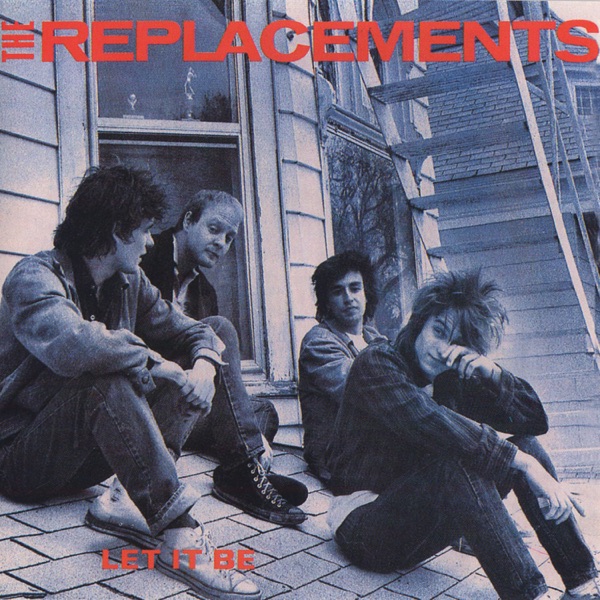
Let It Be
The Replacements
Combines lo-fi production with infectious melodies and earnest songwriting that parallels R.E.M.'s early indie-rock approach.
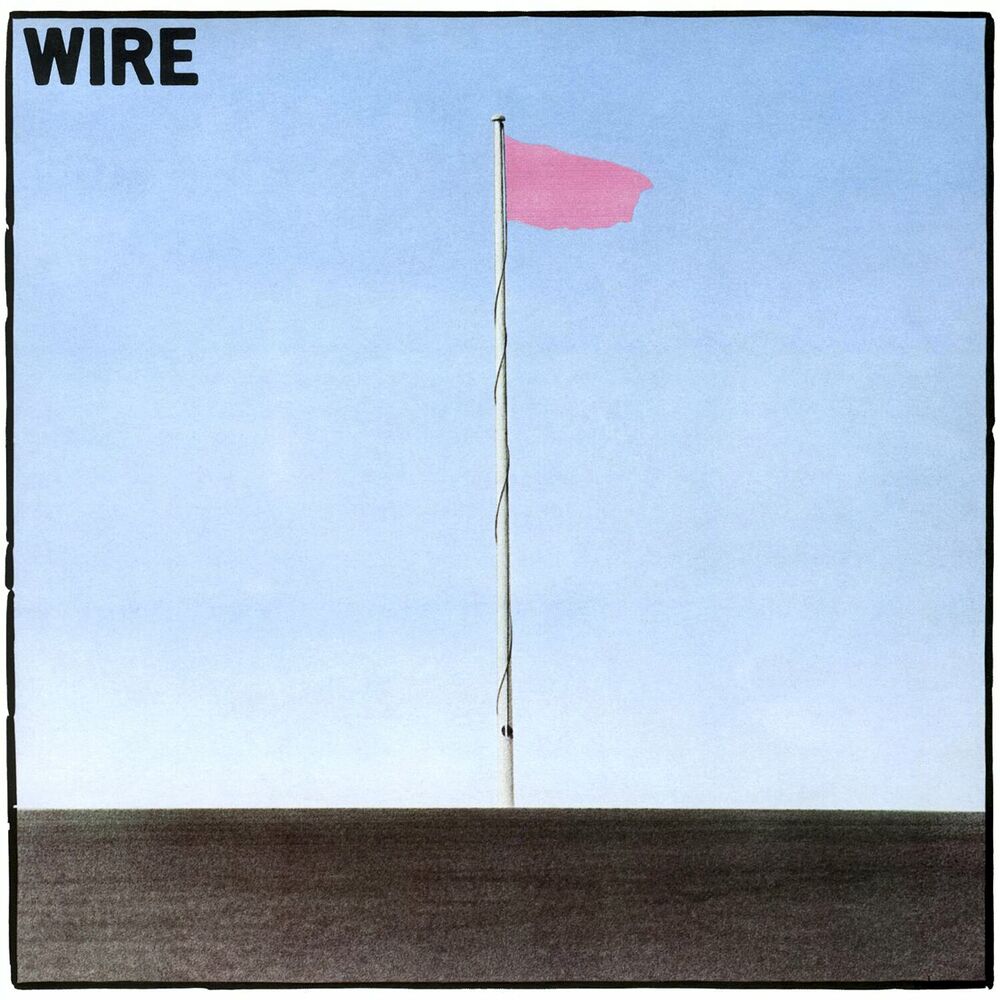
Pink Flag
Wire
An influential post-punk landmark with angular guitars and economical songwriting that influenced the melodic sensibility of Murmur.

Daydream Nation
Sonic Youth
Demonstrates the same era's commitment to artistic experimentation with ethereal vocals and innovative guitar textures.
Also Appears On
Own this record? Track it in your collection.