#9 of 25
· Cratewise Editorial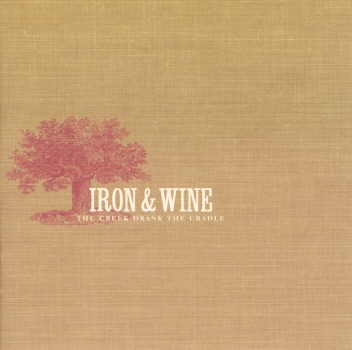
“Sam Beam recorded this in his bedroom on a four-track. Whispery folk songs barely louder than the hiss of the tape. Perfect morning volume.”
Iron & Wine is the musical project of singer-songwriter Samuel Beam, who emerged from the indie folk scene in the early 2000s. Born in South Carolina and raised in Miami, Beam began recording intimate acoustic songs in his home studio, releasing his debut EP 'The Creek Drank the Cradle' in 2002 to critical acclaim. His subsequent albums, including 'The Light Chord' (2003) and 'Women' (2007), established him as a central figure in the modern folk revival, showcasing his fingerpicking guitar work and poetic, introspective lyrics. Beam's collaborative approach has defined his career, working with various artists including The Coop and Calexico. His discography spans nearly two decades, with later albums like 'Kiss Each Other Clean' (2011) and 'Ghost Light' (2017) demonstrating his willingness to expand beyond folk into electronic and experimental territories while maintaining his distinctive artistic vision.
Style
Iron & Wine is characterized by fingerpicked acoustic guitar, hushed vocal delivery, and delicate arrangements rooted in American folk tradition. His sound blends indie folk sensibilities with experimental production choices, creating intimate yet sonically rich compositions.
Significance
Iron & Wine is highly valued by vinyl collectors for his pioneering role in 21st-century folk music and his consistently artistic album releases across multiple formats. His work represents the intersection of traditional acoustic songwriting and contemporary indie production aesthetics, making his vinyl releases essential for collectors of modern folk and singer-songwriter recordings.
The Creek Drank the Cradle is Sam Beam's debut album as Iron & Wine, recorded almost entirely in the basement of his Chicago apartment in 2001. Beam, a self-taught guitarist and singer-songwriter, created this intimate collection with minimal equipment—primarily acoustic guitar, field recordings, and his distinctive falsetto vocals. The album's sparse production reflects Beam's deliberate artistic approach, where every element serves the songwriting. He handled most instrumentation himself, with minimal guest contributions, allowing the introspective lyrics and fingerpicked guitar work to dominate. The home-recording aesthetic became a signature of Iron & Wine's early sound, creating an immediate sense of vulnerability and closeness between listener and artist.
Historical Context
Released in 2002 on Nettwerk Records, The Creek Drank the Cradle emerged during a fertile period for lo-fi indie and singer-songwriter music. The album arrived as folk and acoustic music were experiencing renewed interest in alternative circles, following the success of artists like Elliott Smith and early Nick Drake rediscoveries. Beam's whispered vocals and intricate finger-picking guitar work resonated with listeners seeking intimate, emotionally direct music. The album received critical acclaim for its beauty and restraint, establishing Iron & Wine as a significant figure in indie folk. Its word-of-mouth success eventually attracted millions of listeners, with standout tracks like 'Naked As We Came' becoming widely recognized.
Pressing Notes
The original 2002 Nettwerk pressing is highly valued by collectors. The album has been reissued multiple times, including deluxe reissues with bonus material. Early pressings tend to have superior sound quality characteristic of the era's vinyl manufacturing. A 10th anniversary remaster was released, offering an audiophile perspective on Beam's basement recordings. Collectors should note that original pressings can command premium prices, particularly in excellent condition. The album's quiet production means surface noise is more noticeable than on louder records—clean copies are preferred. Reissues from major labels ensure availability, though enthusiasts often seek original Nettwerk pressings for their historical authenticity.
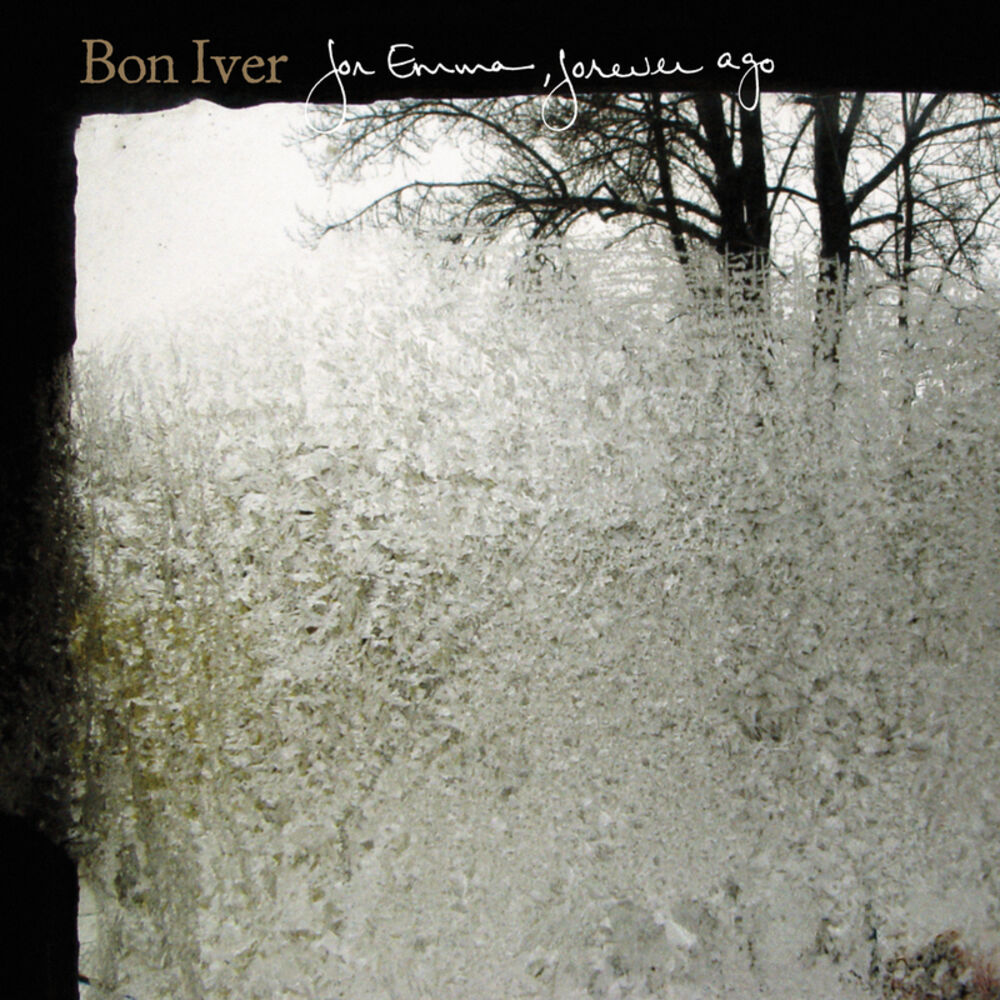
For Emma, Forever Ago
Bon Iver
Both albums feature intimate, lo-fi folk production with falsetto vocals and introspective songwriting recorded in isolated settings.

Pink Moon
Nick Drake
A foundational fingerpicked acoustic folk album with sparse arrangements and melancholic contemplation that influenced the entire singer-songwriter genre.
Own this record? Track it in your collection.