#91 of 500
· Rolling Stone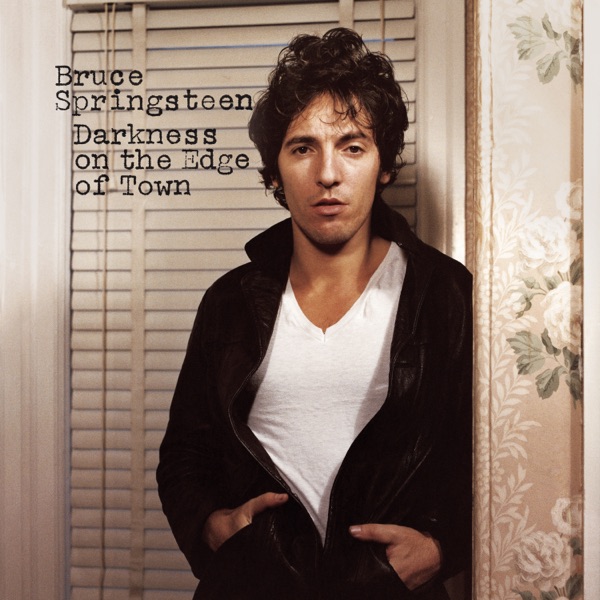
“After Born to Run, Springsteen spent three years in a legal battle and emerged darker and more powerful. 'Badlands' and 'The Promised Land' are blue-collar anthems stripped of romanticism.”
Bruce Springsteen emerged from the New Jersey rock scene in the early 1970s, becoming one of America's most iconic and enduring artists. His breakthrough came with the 1975 album "Born to Run," which established his signature blend of heartland rock, storytelling, and working-class themes. Throughout his career spanning five decades, Springsteen has released acclaimed albums including "Darkness on the Edge of Town" (1978), "The River" (1980), "Born in the U.S.A." (1984), and "The Rising" (2002). Known for his intense live performances and deeply personal songwriting, Springsteen has explored themes of American identity, personal struggle, and redemption. His influence on rock music and popular culture remains substantial, with numerous Grammy Awards and induction into the Rock and Roll Hall of Fame cementing his legacy as "The Boss."
Style
Springsteen's sound merges arena rock with folk and soul influences, characterized by anthemic choruses, detailed lyrical narratives, and the energetic interplay between his E Street Band. His music ranges from intimate acoustic ballads to driving rock anthems, always grounded in emotional authenticity and social consciousness.
Significance
Springsteen's extensive catalog represents a cornerstone of American rock music on vinyl, with many of his albums achieving classic status and remaining sought-after by collectors. His albums are known for their production quality and longevity, making them central to vinyl collections focused on rock music and 20th-century popular music history.
Recorded between 1977 and 1978, 'Darkness on the Edge of Town' marked Bruce Springsteen's artistic pivot following the massive success of 'Born to Run.' Working primarily with the E Street Band at The Record Plant in New York, Springsteen crafted a leaner, more introspective collection of songs that abandoned some of the earlier album's lush arrangements for a grittier rock sound. The album emerged during a period of personal and legal turmoil—Springsteen was entangled in a contract dispute with former manager Mike Appel that nearly prevented the album's release. Producer Jon Landau returned to helm the sessions, helping Springsteen channel his frustration and uncertainty into powerful, working-class narratives. Songs like 'Badlands' and 'Promised Land' showcased a harder edge, while deeper cuts revealed vulnerability and questioning of the American Dream he'd previously celebrated.
Historical Context
Released in June 1978, the album arrived during punk and new wave's commercial peak, yet Springsteen's uncompromising rock approach proved commercially resilient, reaching #2 on the Billboard 200. Critics praised the album's maturity and thematic depth, viewing it as a natural progression rather than a retreat from commercial success. The late 1970s were a transitional period in rock music, and Springsteen's refusal to chase trends while deepening his artistic vision resonated strongly with audiences. The album established him as more than a rock star—a serious artist grappling with American identity, economic anxiety, and personal demons.
Pressing Notes
The original 1978 Columbia Records pressing on black vinyl remains the most sought-after edition among collectors. Early pressings feature die-cut gatefold jackets and are identifiable by their specific matrix numbers. The album has been reissued multiple times, including a 1995 remaster and a 2010 remaster that revealed additional production detail. A 2015 180-gram audiophile reissue from Columbia is widely regarded as excellent quality for modern pressings. Collectors should note that original first pressings command premium prices, particularly in near-mint condition. The album has never been issued in stereo variants that differ significantly, making condition and pressing plant the primary variables affecting collector value.

Own this record? Track it in your collection.