#78 of 500
· Rolling Stone
“Before RCA, before the movies, before the jumpsuits — just a kid from Tupelo in Sam Phillips' Memphis studio inventing rock and roll. These Sun recordings are the Big Bang. 'That's All Right' still sounds like the most dangerous thing a white kid ever did with a guitar in 1954.”
Elvis Presley (1935-1977) emerged as a cultural phenomenon in the mid-1950s, revolutionizing popular music by blending country, blues, and gospel influences. His early recordings at Sun Studio in Memphis, including "That's All Right" and "Hound Dog," established him as the "King of Rock and Roll." Throughout the 1950s and 1960s, Elvis dominated the charts and starred in numerous films, while his controversial hip movements and charismatic stage presence captivated audiences worldwide. His RCA Victor catalog, particularly albums like "Elvis Presley" (1956), "Jailhouse Rock" (1957), and "Suspicious Minds" (1969), remain essential vinyl purchases for collectors. Despite creative fluctuations and his move into film soundtracks during the 1960s, Elvis maintained commercial dominance and achieved a remarkable resurgence in the late 1960s with his "68 Comeback Special."
Style
Elvis synthesized country twang, blues rhythms, and gospel vocal techniques into a revolutionary rock and roll sound characterized by his distinctive baritone voice and dynamic delivery. His recordings range from uptempo rockabilly and rock and roll to emotional ballads and soul-influenced material.
Significance
Elvis Presley is arguably the most important figure in rock and roll history, whose influence shaped modern popular music fundamentally. His original Sun Records pressings and early RCA releases are among the most sought-after vinyl records by collectors, representing the birth of contemporary popular music.
"The Sun Sessions" is not a studio album Elvis recorded, but rather a compilation of his earliest recordings made at Sun Studio in Memphis between 1953 and 1955. These historic sessions were produced by Sam Phillips, the visionary Sun Records founder who signed the teenage Elvis. The recordings captured Elvis working with guitarist Scotty Moore and bassist Bill Black, establishing the raw, energetic sound that would revolutionize popular music. These sessions produced some of Elvis's first released singles, including "That's All Right," "Good Rockin' Tonight," and "Mystery Train." The material showcases Elvis's natural ability to blend country, blues, and gospel influences—the very fusion that defined early rock and roll. Phillips's minimal production approach and the musicians' chemistry created an authenticity that defined the era.
Historical Context
The Sun Sessions recordings emerged during a pivotal moment in American music history, when rock and roll was nascent and radio was beginning to embrace rhythm and blues sounds for white audiences. Released during the mid-1950s, Elvis's Sun recordings represented a genuine cultural crossroads where country and blues merged. These sessions predated his move to RCA Records in 1956 and established his reputation in the South before his national breakthrough. The music captured the raw energy of early rock and roll, influencing countless musicians and helping to desegregate American popular music. These recordings remain foundational documents of rock and roll's birth.
Pressing Notes
"The Sun Sessions" has been compiled and reissued multiple times by RCA and other labels over the decades. Early compilations vary in track selection and audio quality. The most notable reissue was the 1987 RCA release "The Complete Sun Sessions," which aimed for comprehensive coverage. Collectors should seek versions with the best mastering quality, as these early recordings benefit greatly from careful restoration. Sun Records original pressings of individual singles are highly collectible but expensive. Modern reissues on 180-gram vinyl offer superior sound quality compared to earlier CD-era compilations. Japanese pressings and audiophile editions sometimes provide exceptional sound, though prices reflect collector demand.
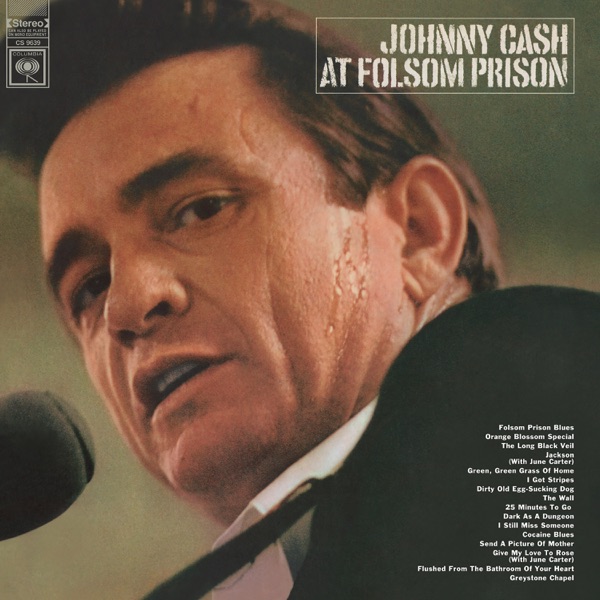
At Folsom Prison
Johnny Cash
Sun Records contemporary with raw, authentic energy and pioneering recording techniques that mirror Elvis's early studio approach.

Rockin' with Wanda
Wanda Jackson
Sun Records recording artist with raw 1950s rockabilly energy and female perspective on the same pioneering sound as Elvis's early work.
Own this record? Track it in your collection.