#71 of 500
· Rolling Stone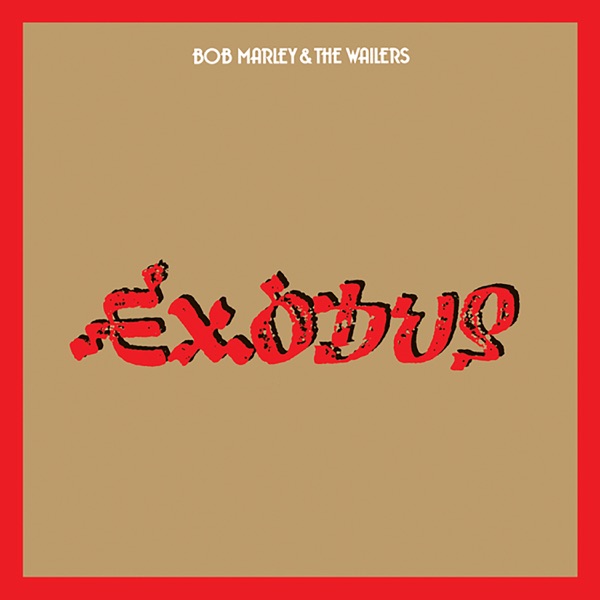
“Marley recorded this in London after being shot in Jamaica, and the album carries the weight of exile and the hope of return. The Island pressing is the definitive roots reggae album — 'Jamming,' 'Three Little Birds,' and 'One Love' are all on the same record.”
Bob Marley (1945-1981) emerged as reggae's most influential ambassador, transforming a Jamaican sound into a global phenomenon. After early success with The Wailers in the 1960s, Marley's partnership with producer Lee Perry produced groundbreaking work before signing with Island Records in 1972. His albums 'Catch a Fire' and 'Burnin'' (1973) introduced reggae to international audiences, while 'Rastaman Vibration' (1976) achieved platinum status. 'Exodus' (1977) is considered a masterpiece, blending spiritual depth with infectious rhythms. Despite battling cancer, Marley continued recording until his death, leaving a legacy of socially conscious, spiritually uplifting music that transcended genre boundaries and established reggae as a legitimate force in popular music.
Style
Reggae with rock and soul influences, characterized by infectious one-drop rhythms, Marley's distinctive vocal timbre, and lyrics addressing social justice, spirituality, and love. The Wailers' sound evolved from ska and rocksteady to fully realized reggae, featuring prominent basslines and layered harmonies.
Significance
Bob Marley and the Wailers are essential to any serious vinyl collection, with their albums among the most frequently reissued and sought-after records. 'Exodus' and 'Legend' remain bestselling reggae albums on vinyl, and original pressings of their Island Records releases are highly valued by collectors for both sonic quality and cultural importance.
Exodus was recorded during a tumultuous period in Bob Marley's life, primarily at the Island House studio in London during 1976-1977, with additional sessions at The Tuff Gong studio in Jamaica. Following an assassination attempt on Marley in December 1976, he fled Jamaica to seek refuge in England, where he completed most of the album's material. Working closely with producer Harry J. Johnson (credited as Harry J) and engineer John Punter, Marley crafted a cohesive work that blended reggae spirituality with wider pop sensibilities. The album showcased tighter arrangements and more refined production than his previous work, featuring his backing vocalists I-Threes (Rita, Marcia, and Alpharita) prominently throughout. Key collaborators included bassist Aston "Family Man" Barrett and the core Wailers musicians, who helped establish the album's distinctive sound that balanced roots reggae authenticity with international appeal.
Historical Context
Released in June 1977, Exodus emerged during reggae's ascension into the global mainstream. The album coincided with punk and new wave's dominance, yet Marley's spiritual messaging and musical accessibility found massive audiences worldwide. It became one of the best-selling reggae albums ever and established Marley as more than a reggae artist—he was now a global cultural figure. The title itself resonated deeply, invoking biblical liberation themes that mirrored Marley's personal exodus from Jamaica and connected with audiences seeking meaningful alternatives to the era's commercial pop landscape. The album's success cemented reggae's place in mainstream music and elevated Rastafarian consciousness to international prominence.
Pressing Notes
The original 1977 Island Records pressing (ILPS 9498) remains highly sought by collectors, particularly early UK pressings with the pink Island label. Various reissues exist across different formats and eras. The 1992 remaster on Island featured improved sonics but differs from original pressings. Collectors should note that Exodus has been reissued multiple times on 180-gram vinyl by Island and other labels. The most recent audiophile reissues (2010s onward) offer superior sound quality but may lack the character of original pressings. Original vinyl copies are generally affordable compared to other classic reggae albums, though condition and pressing variant affect value. Stereo copies are standard; mono pressings are rare.
Own this record? Track it in your collection.