#67 of 500
· Rolling Stone
“At #67, Reasonable Doubt represents Jay-Z at a creative peak. The Roc-A-Fella pressing (1996) captures a moment in hip-hop/rap that's been influential ever since. The kind of record that stops you mid-flip at the record store.”
Shawn Corey Carter, known professionally as Jay-Z, emerged from Brooklyn's Marcy Houses in the early 1990s to become one of hip-hop's most influential figures. He founded Roc-A-Fella Records in 1996 and released his debut album 'Reasonable Doubt' in 1996, establishing himself with intelligent lyricism and sharp production. Throughout the 1990s and 2000s, he released a string of commercially successful and critically acclaimed albums including 'In My Lifetime, Vol. 1' (1997), 'Vol. 2... Hard Knock Life' (1998), 'The Blueprint' (2001), and 'The Black Album' (2003). His later work continued to push boundaries with 'Watch the Throne' (2011, with Kanye West) and 'Magna Carta Holy Grail' (2013), showcasing his ability to evolve while maintaining artistic credibility.
Style
Jay-Z pioneered a sophisticated East Coast hip-hop sound characterized by witty wordplay, introspective narratives, and diverse production spanning boom-bap beats to modern trap influences. His style blends street authenticity with business acumen, often addressing wealth, legacy, and social commentary.
Significance
Jay-Z is among the best-selling artists in hip-hop history, with numerous platinum-certified albums and a catalog that defined multiple eras of hip-hop on vinyl. His influence on production choices, sampling, and album conception makes his discography essential for hip-hop vinyl collectors and crucial to understanding modern rap's sonic evolution.
Reasonable Doubt, Jay-Z's debut album, was recorded primarily in 1995 and early 1996 across New York studios, with production by now-legendary figures like DJ Premier, Ski Beatz, and Jermaine Dupri. Jay-Z, who had been building credibility through underground mixtapes and features, crafted the album as a statement of intent—confident, street-smart narratives over boom-bap production. The project drew from his experiences in Brooklyn and reflected the golden age of East Coast hip-hop. Notable collaborators included Biggie Smalls (on "Brooklyn's Finest"), Memphis Bleek, and producer Clark Kent. The album's name itself references the legal standard of proof, fitting for tracks that presented Jay-Z's perspective on hustling and survival with nuance rather than glorification.
Historical Context
Released in June 1996, Reasonable Doubt arrived during the mid-'90s renaissance of East Coast hip-hop, following the massive success of Nas's Illmatic (1994) and capitalizing on Brooklyn's emerging prominence in rap. The album came out just months after Biggie's murder in March 1997 would reshape the industry's landscape, though it was recorded before that tragedy. While not initially a commercial blockbuster—it debuted at #23 on the Billboard 200—the album earned critical acclaim and established Jay-Z as a serious artist. It would eventually be recognized as a classic, gaining retrospective appreciation as Jay-Z's subsequent releases became commercial juggernauts.
Pressing Notes
The original 1996 pressing on Roc-A-Fella Records/Priority Records is sought after by collectors, particularly early runs on 12-inch vinyl. The album has been reissued multiple times, including deluxe editions and remastered versions that became more readily available in the 2000s as Jay-Z's catalog gained collector interest. Original first pressings can command premium prices depending on condition. The 1996 Priority pressing is the most historically significant for collectors, though finding mint copies in the original gatefold is increasingly difficult. Reissues are generally more affordable entry points for the album.

Illmatic
Nas
A quintessential East Coast hip-hop debut with similarly intricate production, sharp lyricism, and timeless beats that defined 90s rap.

Ready to Die
The Notorious B.I.G.
Features the same era's dark, soulful production and features many of the same producers who crafted Reasonable Doubt's signature sound.
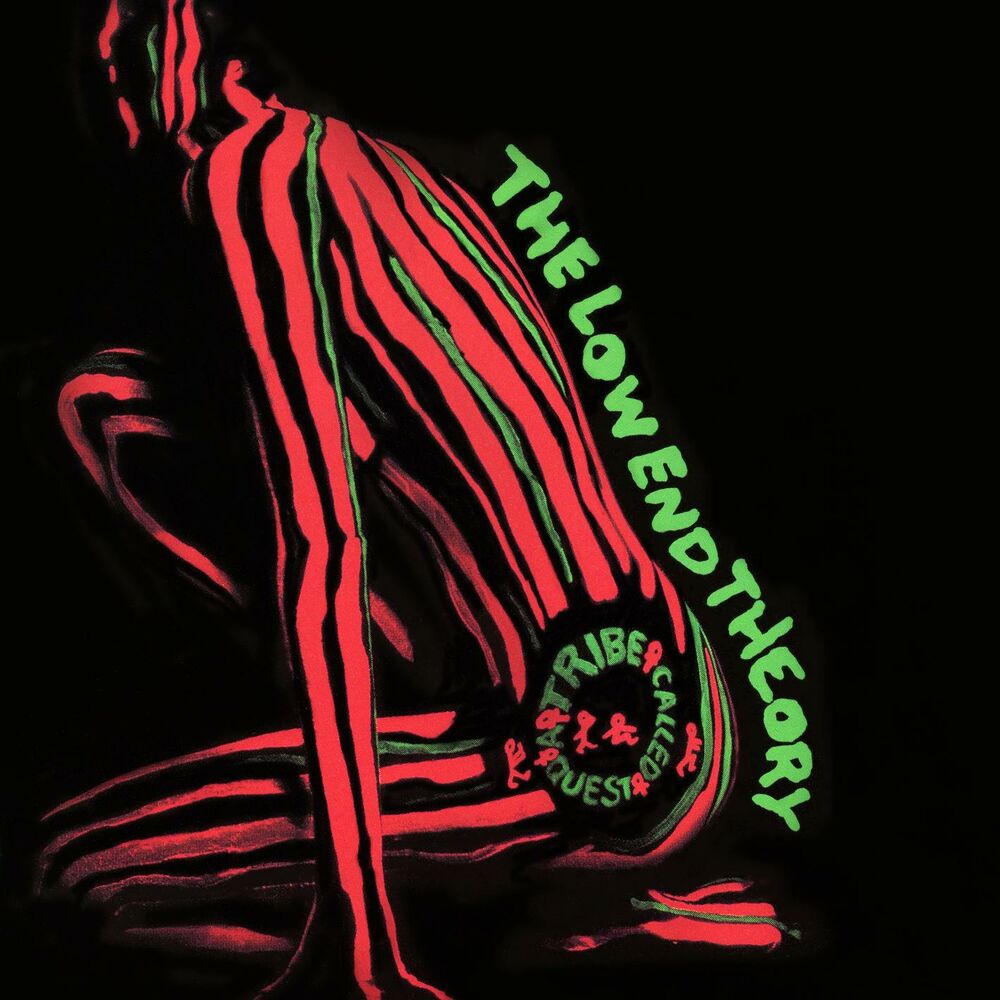
The Low End Theory
A Tribe Called Quest
Jazz-influenced boom-bap production with layered samples and thoughtful lyricism that defined the same golden-age hip-hop era as Reasonable Doubt.
Also Appears On
Own this record? Track it in your collection.