#439 of 500
· Rolling Stone
“At #439, Sex Machine represents James Brown at a creative peak (1970). The original pressing captures a moment in funk that's been influential ever since. Worth hunting in the bins.”
James Brown (1933-2006) rose from poverty in South Carolina to become one of the most influential and prolific recording artists in music history. Known as the "Godfather of Soul," Brown pioneered funk music in the 1960s with a relentless work ethic that resulted in over 100 charting singles. His career breakthrough came with hits like "Papa's Got a Brand New Bag" (1965) and "I Feel Good" (1965), which showcased his revolutionary approach to rhythm and groove. Brown's influence extended far beyond soul and funk—his rhythmic innovations directly impacted hip-hop, rock, and electronic music. His live performances were legendary for their energy and choreography, setting new standards for concert entertainment. Throughout the 1970s and 1980s, Brown continued recording prolifically, maintaining relevance across multiple decades.
Style
James Brown created funk and soul music characterized by syncopated rhythmic grooves, prominent horn sections, and call-and-response vocals. His style emphasized the "one"—the first beat of the measure—as the foundation for complex polyrhythmic arrangements that departed from traditional pop song structures.
Significance
James Brown's recordings are essential to any serious funk or soul vinyl collection, with original pressings of albums like "Live at the Apollo" (1963) and "Sex Machine" (1970) highly sought by collectors. His influence on subsequent genres makes his vinyl catalog foundational for understanding modern music history, and his prolific output across multiple labels ensures collectors can pursue specialized collections of particular eras.
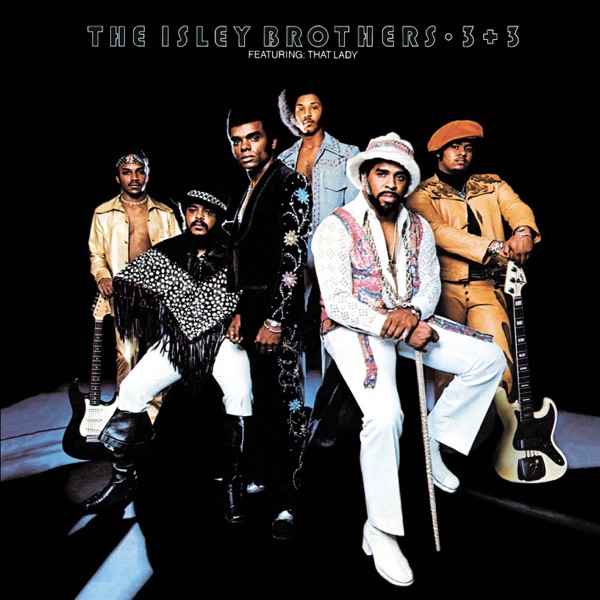
3 + 3
The Isley Brothers
Combines tight rhythm sections with funk sensibilities and dynamic vocal performances similar to Brown's energetic style.
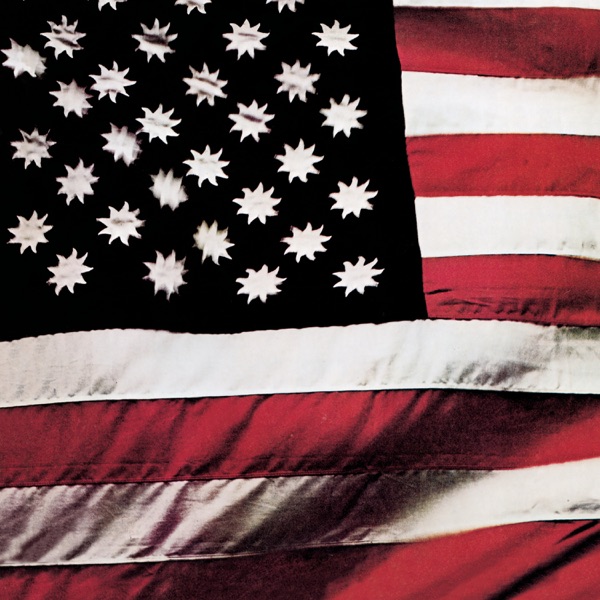
There's a Riot Goin' On
Sly & the Family Stone
Explores funk's darker, more experimental side while maintaining the rhythmic intensity and groove-centric approach Brown popularized.
Own this record? Track it in your collection.